TWO BUCKET CLUB

Best Interior Protectants for Cars (2026)

A protectant is not a cleaner. It is the sacrificial layer that takes the UV hit so your dashboard does not - and the only spec that decides which bottle you want is the finish it leaves behind.

By Stephen V.Last updated How we pick

Almost everything written about interior protectants treats them as a shine product. They are not. A protectant is a sacrificial layer: something you put on top of vinyl, rubber and plastic so that ultraviolet light degrades the coating instead of the part. The shine is a side effect, and on a dashboard it is usually an unwanted one.

That matters because the damage protectants prevent cannot be undone. DetailingWiki’s breakdown of oxidation lists two forms that are simply not recoverable: “surface breakdown — can not be removed, it is simply a degradation and disintegration of an object” and “rubber vulcanization — can not be removed, using a dressing will hide it a bit.” A cracked dash top and a chalky white weather seal are in that category. You can dress them so they look better. You cannot bring them back.

So the buying decision is not really about protection levels, because every product here makes the same unquantified claim. It is about finish— matte, satin or gloss — and about whether you want a protectant at all or a one-step bottle that cleans while it protects. The six picks below are sorted that way, and the criteria section explains why gloss on a dash top is a genuine safety annoyance rather than a taste question.

One honest note up front: only one manufacturer in this group publishes a durability figure at all. Gold Eagle states that 303 Automotive Protectant gives “long-lasting protection for up to 30–45 days.” Nobody else prints a number, so this page prints none for them. Live prices on every row.

How this is funded:we earn a commission if you buy through our links, at no extra cost to you. It never changes which product we recommend, and we’ll tell you plainly when we’d skip one. Full disclosure.

Quick picks

Ranked on published specs, value and buyer fit. Select a row to jump to the full write-up. We have not lab-tested these products — here is exactly what we do instead.

#ProductBest forPrice
1
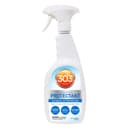
303 Aerospace Protectant

303 Aerospace Protectant

The enthusiast's protectant of choice for dashboards and trim: a matte, non-greasy UV protectant that looks like new, not wet-look tacky. It's a protectant, not a cleaner — wipe surfaces down first, then apply this.

Best overall
$23.50View on Amazon

Price as of October 19, 2026. #ad How we’re funded

2
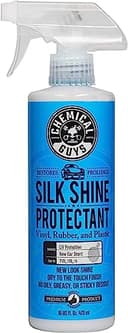
Chemical Guys Silk Shine Vinyl, Rubber & Trim Dressing, 16 oz

Chemical Guys Silk Shine Vinyl, Rubber & Trim Dressing, 16 oz

The satin-finish pick for anyone who wants a dash that looks like a dash. The listing describes a dressing that “dries to a natural satin look with no greasy sling” and works indoors and out - dashboards, door panels, bumpers and tires from one bottle - which is the honest middle ground between a matte protectant and a wet-look shine.

Best satin finish
$10.99View on Amazon

Price as of October 19, 2026. #ad How we’re funded

3
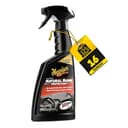
Meguiar's Natural Shine Protectant, 16 oz

Meguiar's Natural Shine Protectant, 16 oz

The value pick, and the one most people should buy before they spend more. The listing describes a plastic restorer that improves color and shine on vinyl, rubber and plastic while providing UV protection - the same two jobs the premium bottles do, in the cheapest widely-stocked spray in the aisle.

Best value
$9.99View on Amazon

Price as of October 19, 2026. #ad How we’re funded

4
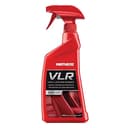
Mothers VLR Vinyl-Leather-Rubber Care, 24 oz (06524)

Mothers VLR Vinyl-Leather-Rubber Care, 24 oz (06524)

The honest answer to “I want one bottle that cleans and protects.” The listing describes a pH-balanced formula that cleans, conditions and protects in one step, using neatsfoot oil and lanolin to protect against drying, fading and cracking - which makes it the only pick here that is genuinely allowed to go on a surface you have not cleaned first.

Best cleaner-and-protectant in one
$8.02View on Amazon

Price as of October 19, 2026. #ad How we’re funded

5
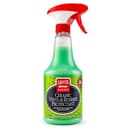
Griot's Garage Ceramic Vinyl and Rubber Protectant, 22 oz (10821)

Griot's Garage Ceramic Vinyl and Rubber Protectant, 22 oz (10821)

The premium pick, and the only one here built on ceramic chemistry rather than oils. The listing covers dashboards, door panels, tires, exterior trim and moldings from one 22 oz bottle, which is the widest published surface list in this group - but like everything else in the category it publishes no month figure, so buy it for the chemistry and the coverage, not for a durability claim.

Best premium pick
$15.99View on Amazon

Price as of October 19, 2026. #ad How we’re funded

6
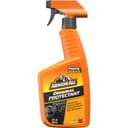
Armor All Streak-Free Original Protectant Spray, 28 oz

Armor All Streak-Free Original Protectant Spray, 28 oz

The big-bottle budget option, and the one with the most useful warning printed on its own listing: “apply with cloth, not for controls.” That is the category's main failure mode stated by the manufacturer - spray a protectant onto a steering wheel, pedal or gear selector and you have made a control slippery. Used on a cloth, on the surfaces it names, it is a lot of protectant for very little money.

Best big bottle
$9.98View on Amazon

$12.4920% off

Price as of October 19, 2026. #ad How we’re funded

The picks in full

#1Best overall

303 Aerospace Protectant

The enthusiast's protectant of choice for dashboards and trim: a matte, non-greasy UV protectant that looks like new, not wet-look tacky. It's a protectant, not a cleaner — wipe surfaces down first, then apply this.

What we like

  • Matte 'like new' finish, never greasy or glossy
  • Well-regarded UV protection for dashboards and trim
  • A little goes a long way

Trade-offs

  • It protects and dresses, it doesn't deep-clean
  • Apply to a cloth, not directly, to avoid overspray on glass
TypeUV protectant/dressing (vinyl, rubber, plastic)
Standout specMatte UV protectant
Size32 oz
Best forA factory-matte finish and real UV protection on trim
Price tierBudget

Specs read from the product listing, on July 19, 2026. “Not listed” means the listing does not state that figure.

#2Best satin finish

Chemical Guys Silk Shine Vinyl, Rubber & Trim Dressing, 16 oz

The satin-finish pick for anyone who wants a dash that looks like a dash. The listing describes a dressing that “dries to a natural satin look with no greasy sling” and works indoors and out - dashboards, door panels, bumpers and tires from one bottle - which is the honest middle ground between a matte protectant and a wet-look shine.

What we like

  • Listing claims a natural satin finish with no greasy sling
  • Rated by the maker for interior and exterior plastic, rubber and tires
  • Cheapest way to cover a whole car's trim from one bottle

Trade-offs

  • Satin is still shinier than a matte protectant - not the choice for a dash that reflects into the windshield
  • The listing publishes no durability figure, so plan on reapplying by look
  • It is a dressing, not a cleaner - applied over dust it seals the dust in
TypeSatin-finish vinyl, rubber and trim dressing
Standout specNatural satin finish, no greasy sling (listing)
Size16 oz
Best forA satin finish that works on interior trim and exterior plastic alike
Price tierBudget

Cost-to-use note. Applied to an applicator pad rather than sprayed on the panel, 16 oz covers a car's interior trim many times over.

Specs read from the product listing, on October 18, 2026. “Not listed” means the listing does not state that figure.

#3Best value

Meguiar's Natural Shine Protectant, 16 oz

The value pick, and the one most people should buy before they spend more. The listing describes a plastic restorer that improves color and shine on vinyl, rubber and plastic while providing UV protection - the same two jobs the premium bottles do, in the cheapest widely-stocked spray in the aisle.

What we like

  • Listing states it provides UV protection as well as restoring color
  • Low enough cost per bottle that you actually reapply on schedule
  • Available almost everywhere, so a top-up is never a special order

Trade-offs

  • No published durability figure - reapplication is by look, not by label
  • A restorer-and-protectant hybrid, so it adds more shine than a pure matte protectant
  • Will not reverse plastic that has already gone chalky and porous
TypeVinyl, rubber and plastic protectant with UV protection
Standout specRestores color and shine, provides UV protection (listing)
Size16 oz
Best forCovering a whole interior cheaply, often enough to matter
Price tierBudget

Cost-to-use note. A whole interior wipe-down uses a few sprays onto an applicator; a 16 oz bottle covers a season of monthly applications.

Specs read from the product listing, on October 18, 2026. “Not listed” means the listing does not state that figure.

#4Best cleaner-and-protectant in one

Mothers VLR Vinyl-Leather-Rubber Care, 24 oz (06524)

The honest answer to “I want one bottle that cleans and protects.” The listing describes a pH-balanced formula that cleans, conditions and protects in one step, using neatsfoot oil and lanolin to protect against drying, fading and cracking - which makes it the only pick here that is genuinely allowed to go on a surface you have not cleaned first.

What we like

  • Listing states it cleans, conditions and protects in one step, pH balanced
  • Neatsfoot oil and lanolin are conditioning oils rather than silicone shine
  • Biggest bottle here at 24 oz, and the cheapest per ounce

Trade-offs

  • A combined cleaner will not match a dedicated cleaner on ground-in grime
  • Oil-based conditioning leaves more sheen than a dry matte protectant
  • No published durability figure, and no UV figure of any kind
TypeOne-step vinyl, leather and rubber cleaner-conditioner-protectant
Standout specCleans, conditions and protects in one step; pH balanced (listing)
Size24 oz
Best forOne bottle that cleans and protects vinyl, finished leather and rubber
Price tierBudget

Cost-to-use note. Doing both jobs from one bottle means you use more per clean than a protectant-only spray - the 24 oz size is the reason it still works out cheapest.

Specs read from the product listing, on October 18, 2026. “Not listed” means the listing does not state that figure.

#5Best premium pick

Griot's Garage Ceramic Vinyl and Rubber Protectant, 22 oz (10821)

The premium pick, and the only one here built on ceramic chemistry rather than oils. The listing covers dashboards, door panels, tires, exterior trim and moldings from one 22 oz bottle, which is the widest published surface list in this group - but like everything else in the category it publishes no month figure, so buy it for the chemistry and the coverage, not for a durability claim.

What we like

  • Ceramic formula rather than an oil or silicone dressing
  • Widest published surface list here: dash, door panels, tires, trim and moldings
  • 22 oz spray bottle, so it covers a whole car without rationing

Trade-offs

  • The most expensive bottle in this group by a clear margin
  • No published durability figure, despite the ceramic framing
  • Ceramic chemistry wants a genuinely clean, dry surface - this is the pick that punishes a lazy prep most
TypeCeramic vinyl and rubber protectant, interior and exterior
Standout specRated for dashboards, door panels, tires, trim and moldings (listing)
Size22 oz
Best forA coated-feel finish across interior trim and exterior plastic
Price tierMid

Cost-to-use note. Spray onto an applicator and spread thin - a ceramic protectant streaks when it is applied heavily, so a 22 oz bottle lasts far longer than the size suggests.

Specs read from the product listing, on October 18, 2026. “Not listed” means the listing does not state that figure.

#6Best big bottle

Armor All Streak-Free Original Protectant Spray, 28 oz

The big-bottle budget option, and the one with the most useful warning printed on its own listing: “apply with cloth, not for controls.” That is the category's main failure mode stated by the manufacturer - spray a protectant onto a steering wheel, pedal or gear selector and you have made a control slippery. Used on a cloth, on the surfaces it names, it is a lot of protectant for very little money.

What we like

  • 28 oz - the largest bottle in this group
  • Listing names vinyl, rubber and plastic as safe surfaces
  • The listing itself tells you to apply with a cloth and keep it off controls

Trade-offs

  • Glossier finish than the matte protectants here, which reflects in a windshield
  • Explicitly not for controls - steering wheel, pedals and shifter are off limits
  • No published UV or durability figure
TypeStreak-free interior protectant spray for vinyl, rubber and plastic
Standout specListing direction: apply with cloth, not for controls
Size28 oz
Best forCovering a large interior, or several cars, for the least money
Price tierBudget

Cost-to-use note. Applied to a cloth rather than sprayed on the panel, 28 oz is enough protectant for several full interiors.

Specs read from the product listing, on October 18, 2026. “Not listed” means the listing does not state that figure.

How to choose an interior protectant

1. Finish is the spec. Everything else is marketing.

Read the six listings above and you will find the same protection language on all of them, with one durability figure between them. What genuinely differs, and what you will notice every day, is the sheen.

Matteis the right default for anything you look across while driving: the dash top, the upper door cards, the A-pillar trim. Gold Eagle describes the 303 finish as drying to “a clean, matte finish — no slick residue,” and that is exactly what you want on a surface that sits under a raked windshield in direct sun. A glossy dash top throws a reflection into the glass in front of your eyes, and on a bright day that is not a cosmetic complaint.

Satinis the compromise, and it is the most popular finish in the category for good reason. The Chemical Guys pick above is listed as drying “to a natural satin look with no greasy sling” and rated for interior and exterior use, which means one bottle covers your door panels, your bumpers and your tires. If you want one product for the whole car and you are not fussy about the dash top, this is the one.

Glosshas one legitimate home: lower door panels, the plastic kick panels, trunk and cargo-area trim, engine bay plastics — the places nobody looks across and the places that look dead when they are dry. The Armor All pick is the big-bottle, glossy-finish option, and the honest way to use it is from the knee down.

2. A protectant is not a cleaner — and applying one over dust seals the dust in

This is the most common way people waste the bottle. Four of the six picks here are protectants, full stop. They have no meaningful cleaning ability, so spraying one onto a dusty dash spreads a thin polymer or oil film over the dust and locks it against the plastic. A week later it looks blotchy and you blame the product.

The order is: vacuum, clean, dry, then protect. For a normal interior a dedicated interior cleaner is the right first step; for something genuinely dirty, a diluted all-purpose cleaner does more work for less money. Our full interior cleaning routine runs the whole sequence in the order that avoids doing any surface twice.

The exception is the Mothers pick. Its listing states it “cleans, conditions & protects in one step” and is pH balanced, using neatsfoot oil and lanolin “to protect against drying, fading and cracking.” That is a genuinely different product, and it is on this page because it is the only one you are allowed to use on a surface you have not already cleaned. It is also the honest answer to the question people actually type — best car interior cleaner and protectant— which assumes one bottle does both. One can. It just will not beat a dedicated cleaner on ground-in grime, and it leaves more sheen than a dry protectant does.

3. Spray the applicator, not the panel

Every listing here is a trigger spray, and every one of them is better applied to a foam or microfiber applicator and then wiped on. Three reasons, in order of how much they will annoy you:

Overspray lands on glass.A protectant on the inside of a windshield is a smeared, light-scattering film that you will then spend twenty minutes removing — see cleaning car glass without streaks for why that film is so stubborn. Masking the glass is slower than just using an applicator.

Overspray lands on pedals.Armor All prints the warning on its own listing: “apply with cloth, not for controls.” That is the manufacturer telling you the failure mode. A protectant on a brake pedal, a steering wheel or a gear selector makes a control slippery, and no finish is worth that. Steering wheels get cleaned, not dressed — and if yours is leather, it wants a leather cleaner and conditioner instead.

An applicator controls how much goes on. Nearly every complaint about a greasy dash is an application-volume problem, not a product problem. A thin, wiped-even film dries matte; a wet film stays tacky and collects dust. A cheap foam applicator is the whole fix.

4. The surfaces no protectant belongs on

This is published, not guessed. Gold Eagle’s own product page lists the exclusions for 303: “DO NOT use on unfinished leathers (such as suede), fabrics, floorings, clear plastics, gauge panels, or headlights.” Treat that as the category-wide list, because the reasons generalize:

Clear plastics and gauge panels craze and haze. The instrument cluster lens and the plastic over an infotainment screen are the two most expensive things you can ruin with a protectant, and they need nothing more than a dry microfiber.

Fabric and carpetdo not take a dressing — they take a fabric guard, which is a different chemistry. A protectant on cloth seats is a stain waiting to happen; cloth and carpet belong with an upholstery and carpet cleaner.

Floorings and pedal areas are a slip risk, as above.

Headlights are polycarbonate with a factory UV hardcoat, and no interior protectant replaces it. If yours have already gone yellow, that is a headlight restoration job.

5. How often to reapply — and the only published number

One manufacturer in this group commits to a figure. Gold Eagle states that “one application provides long-lasting protection for up to 30–45 days” for 303 Automotive Protectant. That is the only durability claim on this page, and it is the reason 303 is the top pick: not because it is demonstrably the most durable, but because it is the only one whose maker will tell you when the protection is gone.

For everything else, the useful reference point comes from the same chemistry outdoors. Chemical Guys writes that “most trim restorers last anywhere from a few weeks to a couple of months” and recommends reapplying every three to four weeks in sunny, arid regions. Interior plastic is shielded by glass, which cuts some of the UV but adds a lot of heat, so a monthly pass is a sensible working schedule for a car parked outdoors and a quarterly one for a garaged car.

Apply in the shade on a cool surface. Gold Eagle’s own directions say to spray “out of direct sunlight,” and Chemical Guys gives the same instruction for trim. A hot dash flashes the carrier off before you can level the film, and you get streaks for the same reason waxing in the sun goes wrong.

6. Silicone, oils and ceramic: what the labels are actually saying

Three chemistries are in play here, and the differences are real even though none of them comes with a number.

Water-based, silicone-free.Gold Eagle states that 303 “does not contain any harmful silicone oils, which can dry out and damage surfaces.” That is a claim about the long game: cheap silicone dressings can leave plastic drier than they found it once the film has gone. If you intend to keep the car, this is the argument that matters most.

Conditioning oils. The Mothers pick names neatsfoot oil and lanolin, which are leather-care oils. On vinyl and finished leather that is a genuine softening benefit; it is also why that pick leaves more sheen than the matte options.

Ceramic.The Griot’s pick is an SiO2-type protectant rather than an oil or a silicone dressing, and its listing covers the widest surface range here — dashboards, door panels, tires, exterior trim and moldings. What ceramic framing does not come with on this product is a published durability figure, so treat the chemistry as the reason to buy it and ignore any inference about years. Ceramic chemistry also punishes a dirty surface the hardest: it is the pick that most needs a properly cleaned, dry panel underneath.

7. Inside and outside are the same job

The thing fading your dash is fading your exterior trim and your paint at the same time, from the same cause. Chemical Guys describes exterior black trim as porous plastic and rubber that goes brittle and discolored under UV, road salt, heat and moisture as the oils leave the surface — and it notes that restorers “will not reverse cracking or pitting.” Same material, same failure, same one-way door.

Which is why three of these bottles are explicitly rated for exterior use too, and why it is worth doing the whole car in one pass. If your exterior trim is already past protecting and has gone gray, that is a trim restorer job rather than a protectant job. And if the paint itself is what worries you, the ranking of what actually works is different — we cover it in how to protect car paint from the sun.

8. What a protectant will not fix

It will not remove a smell. A dressing on a hot dash adds its own scent for a few days and changes nothing underneath; if the cabin smells, the source is almost always fabric, carpet or the air conditioning, and that is a different product category entirely.

It will not restore a cracked dash top, a crazed cluster lens or a weather seal that has gone hard and chalky. Per DetailingWiki, rubber vulcanization “can not be removed, using a dressing will hide it a bit.” Hiding it is a legitimate goal. Just buy it knowing that is what you are buying.

And it will not substitute for shade. The cheapest UV protection for a car interior is parking it somewhere the sun does not reach, followed by a windshield sunshade. Every bottle on this page is the thing you do when that is not available.

The short version

Buy 303 if you want matte and a maker who publishes a reapplication window. Buy the Chemical Guys satin if you want one bottle for the whole car. Buy the Meguiar’s if you want the cheapest thing that will still get reapplied monthly, because a cheap protectant used every month beats an expensive one used once a year.

Buy the Mothers VLR if you genuinely want one bottle that cleans and protects and you accept the trade. Buy the Griot’s if you want ceramic chemistry and will prep properly for it. Buy the Armor All if you have a lot of lower trim to cover and no interest in matte.

Then put it on with an applicator, in the shade, on a clean dry surface, and keep it off the glass, the gauges and anything your feet or hands control.
Frequently asked questions

What is the difference between an interior cleaner and an interior protectant?

A cleaner removes soil. A protectant adds a sacrificial layer that takes UV and heat damage instead of the plastic underneath. They are sequential jobs, not competing products: you clean, you dry, then you protect. Four of the six picks on this page are protectants only and have no real cleaning ability, so applying one to a dusty dash seals the dust against the surface and looks blotchy within a week. The one exception here is Mothers VLR, whose listing states it cleans, conditions and protects in one step - a genuine combination product, with the genuine trade-off that it will not match a dedicated cleaner on heavy grime and leaves more sheen than a dry matte protectant.

How often should I apply interior protectant?

Monthly for a car that lives outdoors, quarterly for a garaged car, is a sensible working schedule - but only one manufacturer in this category publishes a figure. Gold Eagle states that one application of 303 Automotive Protectant provides protection 'for up to 30-45 days.' Nobody else here prints a number, so we do not invent one for them. For a useful comparison, Chemical Guys writes that most exterior trim restorers last 'anywhere from a few weeks to a couple of months' and recommends reapplying every three to four weeks in sunny, arid regions. Interior plastic sits behind glass, which filters some UV but traps a lot of heat, so it lands in a similar range.

Should an interior protectant be matte or glossy?

Matte for anything in your line of sight, gloss only below the knee. A glossy dash top under a raked windshield reflects into the glass directly in front of your eyes, which is a visibility annoyance in bright sun rather than a question of taste - and it is the single most common regret with this product category. Matte products (303 is the reference) are the right choice for the dash top, upper door cards and A-pillar trim. Satin is the popular compromise and works well on door panels. Save glossy finishes for lower door panels, kick panels, cargo-area plastics and engine-bay trim, where dry plastic genuinely looks dead and nothing reflects anywhere important.

Can I use interior protectant on my steering wheel and pedals?

No. Armor All prints the warning on its own listing - 'apply with cloth, not for controls' - and that applies to the whole category. A protectant on a steering wheel, brake pedal or gear selector makes a control slippery, and no finish is worth that. Gold Eagle's exclusion list for 303 includes 'floorings' for the same reason. Clean a steering wheel instead: an interior cleaner for a urethane wheel, or a dedicated leather cleaner and conditioner for a leather one. If protectant does get onto a control, clean it off with an all-purpose cleaner before you drive.

Will interior protectant fix a cracked or faded dashboard?

No, and nothing will. DetailingWiki lists two forms of oxidation as unrecoverable: 'surface breakdown - can not be removed, it is simply a degradation and disintegration of an object' and 'rubber vulcanization - can not be removed, using a dressing will hide it a bit.' A cracked dash top and a chalky, hardened weather seal are in that category. A protectant or a dressing will make them look considerably better by filling the texture and darkening the surface, which is a perfectly reasonable thing to want, but the material damage is permanent. That is the whole argument for protecting a dash while it is still good.

Is 303 Aerospace Protectant worth the extra money over Armor All?

It depends entirely on which finish you want and whether a published number matters to you. Gold Eagle states that 303 was 'originally engineered for aerospace and aviation applications,' dries to 'a clean, matte finish - no slick residue,' contains no silicone oils 'which can dry out and damage surfaces,' and protects 'for up to 30-45 days' - the only durability figure in this group. Armor All's Streak-Free Original Protectant is a glossier finish in a much larger 28 oz bottle for less money, with no published UV or durability figure. If you are protecting a dash top you look across, pay for the matte. If you are covering a lot of lower trim or several cars, the big bottle is the better buy.

Can I use interior protectant on exterior trim and tires?

Three of the picks here are explicitly rated for it: the Chemical Guys satin dressing is listed for dashboards, door panels, bumpers and tires; the Griot's ceramic protectant names tires, exterior trim and moldings; and 303's published surface list covers trim, tires, wiper blades and weather seals. Doing the whole car in one pass makes sense, because the cause is identical - Chemical Guys describes exterior black trim as porous plastic and rubber that goes brittle and discolored under UV, heat, salt and moisture as oils leave the surface. One caveat: a protectant is not a restorer. If your exterior trim has already faded to gray, a dedicated trim restorer is the product that fixes it, and the protectant is what keeps the result.

Does interior protectant actually stop a dashboard from cracking?

It slows the cause, which is the most any topical product can claim. Gold Eagle states that 303 'provides superior protection against harmful UV rays that can cause discoloration, fading, and cracking of vinyl, rubber and plastic surfaces.' DetailingWiki is consistent with that on the paint side: 'certain protective products seal in the surface well enough to prevent it from oxidizing.' What no manufacturer here publishes - and what we therefore will not claim - is a measured figure for how many years of cracking a protectant prevents. The cheaper and more effective half of the answer is not a bottle at all: park in shade where you can, and use a windshield sunshade when you cannot.

Sources

  • Gold Eagle (303 Products) — 303 Automotive Protectant — Manufacturer product page for the protectant this site's interior roundup picks first: "Originally engineered for aerospace and aviation applications," it "provides superior protection against harmful UV rays that can cause discoloration, fading, and cracking of vinyl, rubber and plastic surfaces"; it "dries to a clean, matte finish - no slick residue" and "does not contain any harmful silicone oils, which can dry out and damage surfaces"; the published durability figure is "One application provides long-lasting protection for up to 30-45 days"; directions are to apply "Out of direct sunlight"; and the published exclusion list is "DO NOT use on unfinished leathers (such as suede), fabrics, floorings, clear plastics, gauge panels, or headlights" (accessed October 18, 2026)
  • DetailingWiki — What is oxidation — Detailing reference wiki (Vinnie van Rooij): oxidation changes the paint surface so "the smooth flat and highly refractive surface changes into a matte surface with a low refractive index. Simply put: less shiny"; fading "happens mainly to cars that have no clear coat," and while red is said to fade most, "there are no statistics that support this claim" - DuPont research simply found red was among the most popular colors; prevention is possible because "certain protective products seal in the surface well enough to prevent it from oxidizing," but "a layer of wax will oxidize more then the surface underneath," a sealant "might offer more protection against oxidation because it uses different ingredients that are less prone to disintegration," ceramic coatings "might offer more protection seeing as their hard and tough nature," and "these last 2 protective products will also have more effect on UV than wax"; two forms cannot be reversed at all - "surface breakdown" and "rubber vulcanization," where "using a dressing will hide it a bit" (accessed October 18, 2026)
  • Chemical Guys — Revive Your Car's Exterior: Best Products to Restore Black Trim — Manufacturer guidance: black trim is porous plastic or rubber that goes brittle and discolored under UV, road salt, heat and moisture as oils leave the surface; "Most trim restorers last anywhere from a few weeks to a couple of months"; reapply every 3-4 weeks in sunny, arid regions; clean with an APC or degreaser and dry first; apply in shade; test on an inconspicuous area; restorers will not reverse cracking or pitting (accessed September 20, 2026)
  • International Detailing Association — Detailing Resources — IDA's public detailing resource library (accessed July 19, 2026)

Keep reading