TWO BUCKET CLUB

Best Trim Restorers for Faded Black Plastic (2026)

Gray bumpers and chalky cladding are not dirty, they are UV-damaged - and the product that fixes them for a weekend is not the one that fixes them for two years. Here is how to tell the three kinds apart before you buy.

By Stephen V.Last updated How we pick

Faded trim is the detail that gives an otherwise clean car away. The paint can be corrected and coated, the wheels spotless, the tires dressed — and a gray, chalky bumper strip or a washed-out mirror housing still reads “old car” from across a parking lot. It is also the job most people fix wrong, because the aisle sells three completely different products under one word, and the difference between them is not the finish. It is how long they last.

Chemical Guys describes the failure plainly: black trim is porous plastic or rubber that goes brittle and discolored under UV light, road salt, heat and moisture, and over time the oils leave the surface, leaving it dry, gray and chalky. The same manufacturer article is equally plain about the fix most people buy: “most trim restorers last anywhere from a few weeks to a couple of months,” and in sunny, arid regions it suggests reapplying every three to four weeks. That is a dressing interval, and it is the honest baseline for the whole category.

What changed in the last few years is that two other product classes now sit on the same shelf. Tinted restorers put black pigment back onto plastic that has actually lost its color and then lock it under a polymer, with manufacturer claims in the six-to-twelve-month range. Bonded coatings cure into a film on the trim — one of the picks below is guaranteed by its maker for 200 washes, another claims up to two years — and they are the reason this page is not simply a list of dressings.

Six picks follow, two from each tier, chosen so you can match the product to how far gone your trim is and how often you are willing to redo it. Every durability figure on this page is the manufacturer’s own claim and is labeled as such; we have not aged any of these on a bumper for two years and we are not going to pretend otherwise. Live prices on every row.

How this is funded:we earn a commission if you buy through our links, at no extra cost to you. It never changes which product we recommend, and we’ll tell you plainly when we’d skip one. Full disclosure.

Quick picks

Ranked on published specs, value and buyer fit. Select a row to jump to the full write-up. We have not lab-tested these products — here is exactly what we do instead.

#ProductBest forPrice
1
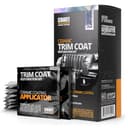
CERAKOTE Ceramic Trim Coat Kit

CERAKOTE Ceramic Trim Coat Kit

The pick that reframes the whole category: Cerakote calls it "a ceramic coating, not a trim dressing," and that is exactly the distinction that decides whether faded trim stays black for a season or for years. The manufacturer lists 10 individually packaged pre-moistened wipes and 2 sets of gloves - enough, in its words, to coat a large vehicle's plastic trim package - with a three-step method (wash and dry, wipe on, let dry for 1 hour) and a guarantee written as "200 washes or your money back, no questions asked." We have not counted 200 washes on a bumper and neither has anyone else reviewing this; what we can say is that it is the strongest published durability commitment in the category, on a product cheap enough to be most people's first choice.

Best overall
$16.88View on Amazon

Price as of September 20, 2026. #ad How we’re funded

2
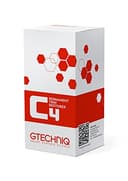
Gtechniq C4 Permanent Trim Restorer, 1 fl oz

Gtechniq C4 Permanent Trim Restorer, 1 fl oz

The longest published durability claim on this page and the most demanding application. Gtechniq states C4 "utilises a chemical bond to become an extension of the plastic molecule," laying down an optically clear film it puts at circa 30 nanometers thick, with "up to 2 years durability" (its FAQ says up to 24 months depending on driving conditions). The finish is a natural satin, not a shine, which is what a factory bumper actually looks like. The price of that is process: dry, cool trim, above 5 C and out of the sun, residue wiped away immediately, then a 12-hour cure before rain - and an opened bottle Gtechniq says to use within 3 months. It is the pick for someone who wants to do this job once every couple of years and is willing to do it properly.

Best for long-term durability
$57.95View on Amazon

Price as of September 20, 2026. #ad How we’re funded

3
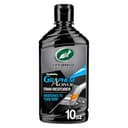
Turtle Wax Hybrid Solutions Graphene Acrylic Black Trim Restorer, 10 oz

Turtle Wax Hybrid Solutions Graphene Acrylic Black Trim Restorer, 10 oz

The middle path, and for badly faded trim probably the smart one: a tinted restorer that puts black pigment back onto gray plastic and then locks it there. Turtle Wax describes a combination of graphene and acrylic polymers that "doesn't wash off and will endure seasonal exposure," claims 12 months of protection, and says it is dry to the touch within minutes. Because it is tinted, it fixes the one thing a clear coating cannot - trim that has already lost its color - and the same tint is the reason Turtle Wax tells you to wear gloves and wipe any paint or glass you touch with a damp towel immediately. The manufacturer also says a second application is necessary for an even appearance, so budget two passes, not one.

Best tinted restorer
$15.98View on Amazon

Price as of September 20, 2026. #ad How we’re funded

4
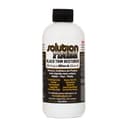
Solution Finish Black Trim Restorer, 12 oz

Solution Finish Black Trim Restorer, 12 oz

The detailer's answer for trim that has gone properly chalky. Solution Finish is a silicone-free, VOC-compliant formula built on natural oils that restores black plastic "to a deep, rich black without a wet look" - it is the pick here if you want a bumper to look like it left the factory rather than like it was dressed. The method is the opposite of a dressing: the manufacturer wants the plastic completely dry and wiped with 70-90 percent alcohol to dissolve old silicone products first, then a thin coat on a microfiber sponge, then every trace of excess buffed off - "more is not better." It is also blunt about the risks: don't use it on painted or glass surfaces, and retailers carrying the directions add that it will stain unsealed paint. Solution Finish publishes no durability figure, and we are not going to invent one.

Best for chalky, badly faded trim
$33.99View on Amazon

Price as of September 20, 2026. #ad How we’re funded

5
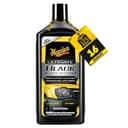
Meguiar's Ultimate Black Plastic Restorer, 16 oz

Meguiar's Ultimate Black Plastic Restorer, 16 oz

The honest budget pick, and honest is the operative word: Meguiar's own claim is a "rich darkness and shine that lasts for weeks and withstands washing and rain," which is a dressing-tier interval and the manufacturer says so. What you get for it is the easiest product on this page - a non-greasy formula that Meguiar's says dries almost instantly and does not streak when wet, on all exterior plastic, vinyl and rubber trim including bumpers, moldings, door handles, mirror housings and windshield cowlings, with what it calls UV clear coat technology built in. Buy it to keep trim that is still black looking that way, not to rescue trim that has gone gray.

Best budget maintenance
$9.44View on Amazon

$11.9921% off

Price as of September 20, 2026. #ad How we’re funded

6
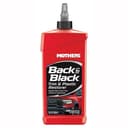
Mothers Back-to-Black Trim & Plastic Restorer, 12 oz (06112)

Mothers Back-to-Black Trim & Plastic Restorer, 12 oz (06112)

The one product here that does a cleaning step as well as a restoring one, which makes it the right pick for trim that is dull rather than dead. Mothers states that it "removes light oxidation, dirt, wax residue and surface film" and then protects against further deterioration from sun, smog, ozone, water, chemicals and airborne contaminants - so the polishing compound haze and wax residue that get ground into textured trim during a paint job come off in the same pass. Twelve fluid ounces of a thick lotion at a price close to the cheapest on the page. The trade is that Mothers publishes neither a durability figure nor directions on its product page, and a cleaner-restorer does neither job as deeply as a dedicated product would.

Best cleaner-restorer
$7.97View on Amazon

$13.9943% off

Price as of September 20, 2026. #ad How we’re funded

The picks in full

#1Best overall

CERAKOTE Ceramic Trim Coat Kit

The pick that reframes the whole category: Cerakote calls it "a ceramic coating, not a trim dressing," and that is exactly the distinction that decides whether faded trim stays black for a season or for years. The manufacturer lists 10 individually packaged pre-moistened wipes and 2 sets of gloves - enough, in its words, to coat a large vehicle's plastic trim package - with a three-step method (wash and dry, wipe on, let dry for 1 hour) and a guarantee written as "200 washes or your money back, no questions asked." We have not counted 200 washes on a bumper and neither has anyone else reviewing this; what we can say is that it is the strongest published durability commitment in the category, on a product cheap enough to be most people's first choice.

What we like

  • A cured ceramic layer rather than an oil that washes off - the manufacturer guarantees at least 200 washes
  • Pre-saturated wipes and gloves in the box; no bottle, no applicator, no greasy hands
  • Manufacturer states one kit covers a large vehicle's full trim package and dries in one hour

Trade-offs

  • A coating seals in whatever is under it - chalky, heavily oxidized trim needs cleaning (and ideally a pigmented restorer) first or you lock in the gray
  • Wipes are single-use, so an uneven pass costs you a wipe rather than a re-buff
  • Cerakote describes it for unpainted plastic trim; rubber seals are not in the stated scope
TypeWipe-on ceramic coating kit for unpainted exterior plastic trim
Standout spec10 pre-moistened ceramic wipes + 2 sets of gloves; 1-hour dry; guaranteed 200+ washes
Size10 wipe kit
Best forMost cars - faded-but-intact plastic trim you want to fix once and forget
Price tierMid

Cost-to-use note. Cerakote states the 10 wipes are enough to coat a large vehicle's plastic trim package - one car, done once. A second car or a heavily cladded SUV plus a truck bed is a second kit.

Specs read from the product listing, on September 20, 2026. “Not listed” means the listing does not state that figure.

#2Best for long-term durability

Gtechniq C4 Permanent Trim Restorer, 1 fl oz

The longest published durability claim on this page and the most demanding application. Gtechniq states C4 "utilises a chemical bond to become an extension of the plastic molecule," laying down an optically clear film it puts at circa 30 nanometers thick, with "up to 2 years durability" (its FAQ says up to 24 months depending on driving conditions). The finish is a natural satin, not a shine, which is what a factory bumper actually looks like. The price of that is process: dry, cool trim, above 5 C and out of the sun, residue wiped away immediately, then a 12-hour cure before rain - and an opened bottle Gtechniq says to use within 3 months. It is the pick for someone who wants to do this job once every couple of years and is willing to do it properly.

What we like

  • Manufacturer claims up to 2 years - the longest published figure in this roundup
  • Chemically bonded film, stated at roughly 30 nanometers, with a natural factory-satin finish rather than gloss
  • Gtechniq lists it for all unpainted exterior plastics including bumpers, mirror surrounds, window seals and door handles

Trade-offs

  • Unforgiving to apply - residue must be wiped immediately or it cures where it lands, and it needs 12 dry hours after
  • Gtechniq says it restores all but the most faded trim - chalky gray plastic may need a pigmented product first
  • A 1 fl oz bottle at a premium price, and the manufacturer says to use an opened bottle within 3 months
TypeChemically bonding clear trim coating, satin finish
Standout specUp to 2 years durability (manufacturer); ~30 nm optically clear film; 12-hour cure
Size1 fl oz
Best forEnthusiasts who want a factory-satin finish and the longest interval between applications
Price tierPremium

Cost-to-use note. Gtechniq publishes no coverage figure. The film is stated at circa 30 nanometers, so a few drops on the supplied applicator does a panel, and an ounce is the larger of the two sizes Gtechniq sells. Because the manufacturer says to use an opened bottle within 3 months, buy for the cars you will do this season, not next year.

Specs read from the product listing, on September 20, 2026. “Not listed” means the listing does not state that figure.

#3Best tinted restorer

Turtle Wax Hybrid Solutions Graphene Acrylic Black Trim Restorer, 10 oz

The middle path, and for badly faded trim probably the smart one: a tinted restorer that puts black pigment back onto gray plastic and then locks it there. Turtle Wax describes a combination of graphene and acrylic polymers that "doesn't wash off and will endure seasonal exposure," claims 12 months of protection, and says it is dry to the touch within minutes. Because it is tinted, it fixes the one thing a clear coating cannot - trim that has already lost its color - and the same tint is the reason Turtle Wax tells you to wear gloves and wipe any paint or glass you touch with a damp towel immediately. The manufacturer also says a second application is necessary for an even appearance, so budget two passes, not one.

What we like

  • Tinted black, so it restores color on trim that has actually faded rather than just adding gloss to it
  • Graphene-acrylic film that the manufacturer says does not wash off, with a stated 12-month protection claim
  • Dry to the touch in minutes and a 10 oz bottle - enough for several vehicles

Trade-offs

  • The tint marks paint, glass and your hands - masking is not optional on tight trim gaps
  • Turtle Wax says a second coat is necessary for even coverage, which doubles the time
  • Finishes with a dark shine, not a satin - if you want factory-matte, look at Solution Finish or C4 instead
TypeBlack-tinted graphene-acrylic trim restorer and sealant
Standout specTinted black; graphene + acrylic polymers; 12-month protection (manufacturer); two coats recommended
Size10 oz
Best forGray, sun-faded trim that a clear coating would only seal in - color first, then protection
Price tierBudget

Cost-to-use note. No coverage figure is published. Applied thin with two coats as Turtle Wax directs, a 10 oz bottle is a multi-car quantity - an observation about size, not a manufacturer claim.

Specs read from the product listing, on September 20, 2026. “Not listed” means the listing does not state that figure.

#4Best for chalky, badly faded trim

Solution Finish Black Trim Restorer, 12 oz

The detailer's answer for trim that has gone properly chalky. Solution Finish is a silicone-free, VOC-compliant formula built on natural oils that restores black plastic "to a deep, rich black without a wet look" - it is the pick here if you want a bumper to look like it left the factory rather than like it was dressed. The method is the opposite of a dressing: the manufacturer wants the plastic completely dry and wiped with 70-90 percent alcohol to dissolve old silicone products first, then a thin coat on a microfiber sponge, then every trace of excess buffed off - "more is not better." It is also blunt about the risks: don't use it on painted or glass surfaces, and retailers carrying the directions add that it will stain unsealed paint. Solution Finish publishes no durability figure, and we are not going to invent one.

What we like

  • Pigment-rich formula that re-blackens gray plastic instead of glossing over it, with a no-wet-look matte finish
  • Silicone-free and VOC compliant per the manufacturer, and it dries without greasy residue
  • 12 oz does several cars - a small amount goes a long way when applied thin as directed

Trade-offs

  • Stains unsealed paint and is not for glass - mask carefully and keep a wipe-off towel in the other hand
  • No published durability figure at all, so plan to inspect it after a few months rather than trusting a number
  • The Amazon listing title does not state the size; the 12 oz bottle sells alongside a 2 oz trial size under near-identical names
TypeSilicone-free oil-based black trim restorer, matte finish
Standout specSilicone-free, VOC compliant, no wet look; alcohol-prep then buff off excess
Size12 oz
Best forHeavily faded, chalky trim where you want a factory-matte finish rather than a shine
Price tierMid

Cost-to-use note. The manufacturer stresses using small amounts and buffing off all excess, so a 12 oz bottle covers many applications. If you have one car and want to try it first, Solution Finish also sells a 2 oz size.

Specs read from the product listing, on September 20, 2026. “Not listed” means the listing does not state that figure.

#5Best budget maintenance

Meguiar's Ultimate Black Plastic Restorer, 16 oz

The honest budget pick, and honest is the operative word: Meguiar's own claim is a "rich darkness and shine that lasts for weeks and withstands washing and rain," which is a dressing-tier interval and the manufacturer says so. What you get for it is the easiest product on this page - a non-greasy formula that Meguiar's says dries almost instantly and does not streak when wet, on all exterior plastic, vinyl and rubber trim including bumpers, moldings, door handles, mirror housings and windshield cowlings, with what it calls UV clear coat technology built in. Buy it to keep trim that is still black looking that way, not to rescue trim that has gone gray.

What we like

  • Cheapest cost-per-use here - 16 oz of a product you apply thin, on trim that is a small surface area
  • Manufacturer states it dries almost instantly and does not streak when wet, so a rain shower an hour later is not a disaster
  • Listed for rubber and vinyl as well as plastic, which the two coatings on this page are not

Trade-offs

  • Durability is weeks by Meguiar's own description - a maintenance product, not a restoration
  • No pigment, so genuinely gray trim will look conditioned rather than black
  • The Amazon listing's subtitle carries spray-wax marketing copy that does not describe this product - trust the manufacturer's description, not the listing headline
TypeNon-greasy exterior trim conditioner with UV protectant
Standout specLasts for weeks per manufacturer; dries almost instantly; plastic, vinyl and rubber
Size16 oz
Best forMaintaining trim that has not faded yet, and anyone who wants a five-minute job with no masking drama
Price tierBudget

Cost-to-use note. No coverage figure is published. Trim is a small surface area and the product is applied thin, so 16 oz is many applications - which is why it is the cheapest per-use product here even though the bottle is not the cheapest.

Specs read from the product listing, on September 20, 2026. “Not listed” means the listing does not state that figure.

#6Best cleaner-restorer

Mothers Back-to-Black Trim & Plastic Restorer, 12 oz (06112)

The one product here that does a cleaning step as well as a restoring one, which makes it the right pick for trim that is dull rather than dead. Mothers states that it "removes light oxidation, dirt, wax residue and surface film" and then protects against further deterioration from sun, smog, ozone, water, chemicals and airborne contaminants - so the polishing compound haze and wax residue that get ground into textured trim during a paint job come off in the same pass. Twelve fluid ounces of a thick lotion at a price close to the cheapest on the page. The trade is that Mothers publishes neither a durability figure nor directions on its product page, and a cleaner-restorer does neither job as deeply as a dedicated product would.

What we like

  • Removes light oxidation and wax residue per the manufacturer - the classic white haze on textured trim after waxing
  • Cheapest bottle on the page and a thick lotion that stays where you put it
  • Manufacturer lists protection against sun, smog, ozone, water and chemicals as well as the restoring step

Trade-offs

  • No published durability figure - treat it as a maintenance interval, not a fix
  • Removes light oxidation only; chalky gray trim needs a pigmented restorer or a coating
  • Mothers publishes no application directions on its product page, so read the bottle
TypeCleaner-restorer lotion for exterior trim and plastic
Standout specRemoves light oxidation, dirt, wax residue and surface film; protects against sun, smog, ozone, water
Size12 fl oz
Best forDull, wax-stained or lightly oxidized trim that needs cleaning up more than it needs re-coloring
Price tierBudget

Specs read from the product listing, on September 20, 2026. “Not listed” means the listing does not state that figure.

How to choose a trim restorer

1. Diagnose the trim before you buy anything

Three conditions look similar from ten feet away and want three different products, so start with a wet test. Hose the trim down or wipe it with a wet microfiber and look at it while it is still wet.

Dull but still black when wet means the color is intact and the surface has simply dried out or picked up a film — wax haze from the last time you polished the car, old dressing, road grime. This is a cleaning and conditioning job. The cleaner-restorer and the budget conditioner at the bottom of the list are the right money, and a coating would be overkill.

Black when wet, gray when dry is classic early UV fade. The pigment is still there under a roughened, oxidized surface layer; water fills the roughness and lets you see the color again. Anything on this page will improve it, and this is where a bonded coating gives the best return, because a clear film does optically what the water did — permanently, or near enough.

Gray even when wet, with a chalky feel, means the surface has lost its color, not just its smoothness. A clear coating will seal that in and give you glossy gray trim. You need pigment first — a tinted restorer or the oil-based Solution Finish — and only then, if you want it, a coating on top. Chemical Guys is also clear about the ceiling here: restorers improve faded, dry and discolored surfaces but will not reverse permanent cracking or pitting. Trim that has physically crazed is a replacement part, not a bottle.

2. Weeks, months or years — the only spec that matters

Every product here restores black trim on the day you apply it. Photographs of that day are how the category is sold, and they are useless for choosing, because the product that looks best on day one is often the one that has washed off by week four. Sort the shelf by durability instead and it collapses into three tiers.

Dressings and conditioners put oils or water-based protectants back into the surface. Meguiar’s says its Ultimate Black lasts “for weeks and withstands washing and rain,” and that is typical of the tier — Chemical Guys gives the same weeks-to-a-couple- of-months figure for restorers in general. They are cheap, they are fast, they are forgiving, and they belong in the maintenance routine the same way tire dressing does. What they are not is a repair.

Tinted and pigmented restorers change the surface rather than conditioning it. Turtle Wax’s Hybrid Solutions restorer is dyed black and claims 12 months of protection under a graphene-acrylic polymer that the manufacturer says “doesn’t wash off”; Solution Finish uses natural oils carrying pigment and publishes no figure at all. This is the tier for trim that has lost color, and it is the tier with the most masking-tape drama, because anything that stains plastic black will stain paint and glass too.

Bonded coatings cure into a clear film. Cerakote’s kit is described by its maker as “a ceramic coating, not a trim dressing” and guaranteed for 200 washes; Gtechniq states C4 forms a chemical bond with the plastic and claims up to two years. These are the products that turn trim from a monthly chore into something you do when you re-coat the paint, and they are the right first choice for trim that still has its color. The trade is that they are less forgiving to apply, and a coating over chalky trim locks the chalk in.

3. Finish: satin or shine is a real decision

Factory trim is satin. Most restorers are not. Meguiar’s and Turtle Wax both describe a “shine,” and on textured bumper plastic a gloss finish can look dressed rather than new. Solution Finish makes the opposite promise explicitly — “a deep, rich black without a wet look” — and Gtechniq describes a “natural, factory-new satin finish.” If you dislike the glossy-bumper look, the matte picks are not a compromise; they are the point. If you like it, the shine picks are cheaper.

4. Prep decides whether any of it sticks

Every manufacturer on this page says some version of “clean and dry first,” and the coatings mean it literally: Gtechniq wants the surface completely dry and cool to the touch, Cerakote’s method starts with “wash and dry,” and Solution Finish goes further and wants the plastic wiped with 70 to 90 percent alcohol to dissolve any silicone dressing that came before. That last step is the one to copy no matter what you buy. Old dressing is oil, oil repels everything, and a coating applied over it bonds to the dressing rather than the trim and comes off with it.

The practical sequence is: wash the car, hit the trim with a diluted all-purpose cleaner and a soft brush to lift the old product out of the texture, rinse, dry fully, then wipe with isopropyl alcohol on a microfiber and let it flash off. Only then open the bottle. If the trim is next to freshly waxed paint, the APC step is also what removes the white wax haze from the plastic — or use the Mothers cleaner-restorer, which is built for exactly that residue.

5. Mask the paint, especially with tinted products

This is the step the day-one photos never show. Turtle Wax tells you to wear gloves because its product is tinted black and to wipe any accidentally treated area immediately with a damp towel; Solution Finish says not to use it on painted or glass surfaces, and retailers carrying its directions add that it will stain unsealed paint. A tinted restorer on a textured bumper next to a body-color panel is a masking-tape job, full stop. Tape the seam, keep a clean damp towel in your other hand, and work one section at a time.

The clear coatings are less dramatic if they land on paint, but not harmless: Gtechniq says to wipe residue away immediately, and a cured high spot on clear coat is a polishing job. Gtechniq also says to avoid direct application to rubber and glass, which matters on window seals — Meguiar’s lists rubber among the surfaces its conditioner is for, and that is a real reason to keep a bottle of it around even if you coat the plastic.

6. Temperature, shade and cure time

Trim products are chemistry, and chemistry cares about conditions. Chemical Guys recommends applying in a shaded area or during the cooler part of the day because sun makes product dry too quickly and streak. Turtle Wax says “apply to cool, dry trim” and to avoid direct sunlight. Gtechniq wants a well-ventilated area above 5 degrees Celsius and out of the sun, and then a 12-hour cure before the coating sees rain. Cerakote’s stated dry time is one hour.

The pattern is the same one that governs waxing in the sun: hot plastic flashes the carrier off before the product levels. Do trim in the morning, in the garage or in the shade, and if you are using a coating, check the forecast for the cure window before you start.

7. Where trim fits in the order of the job

Trim comes after the paint is finished and before the tires are dressed. The reason is practical: polishing and waxing throw compound and wax into textured plastic, which is exactly the haze the Mothers product exists to remove, so restoring trim first means doing it twice. And a tinted restorer applied before a coating goes on the paint is a stain risk you do not need. Our order-of-operations guide puts trim in its slot; the short version is wheels, wash, decontaminate, correct, protect, then trim and tires, then glass.

8. Coating over restorer — the two-step for the worst trim

If your trim failed the wet test — gray even when wet — the best result on this page comes from combining tiers rather than picking one. Restore the color with a pigmented product, let it fully dry and buff every trace of excess off, then decide whether to coat. Gtechniq is candid that C4 “restores all, but the most faded trim,” which is the manufacturer telling you the same thing: a clear coating is a protection step, and on trim with no color left it has nothing to protect.

Be aware that a silicone-free oil restorer and a bonding coating are not guaranteed to play together, and no manufacturer here publishes a compatible pairing. If you do stack them, do the restorer, give it days rather than hours, wipe with alcohol again, test the coating on an inconspicuous spot — Chemical Guys’ advice for any trim product — and accept that you are outside the instructions on the box.

The short version

Wet the trim. If it goes black when wet, buy the ceramic wipe kit, prep properly and do the job once. If it stays gray, buy a tinted restorer or the Solution Finish oil, mask the paint like you mean it, and coat later if you want to. If it is only dull, a bottle of the Meguiar’s conditioner or the Mothers cleaner-restorer will fix it in five minutes and keep fixing it for a couple of years of monthly touch-ups.

And whichever you buy, prep is the product. Clean, dry, alcohol-wipe, shade. The difference between the reviewer who got two years from a coating and the one who got two weeks is very rarely the bottle.
Frequently asked questions

Why does black plastic trim turn gray?

UV exposure. Chemical Guys describes exterior trim as porous plastic or rubber that becomes brittle and discolored under ultraviolet light, road salt, heat and moisture, with the oils leaving the surface over time until it is dry, gray and chalky. Early on the pigment is still there under a roughened surface, which is why faded trim looks black again when it is wet; left long enough, the color itself goes. That distinction - black when wet or gray when wet - is the first thing to check, because it decides whether you need a coating, a tinted restorer, or just a conditioner.

How long does trim restorer last?

It depends entirely on which of the three product types you bought, and the manufacturers say so themselves. Chemical Guys states that most trim restorers last anywhere from a few weeks to a couple of months and suggests reapplying every three to four weeks in sunny, arid climates; Meguiar's says its Ultimate Black lasts for weeks. Tinted polymer restorers claim longer - Turtle Wax states 12 months for its graphene-acrylic formula. Bonded coatings claim longest: Cerakote guarantees its ceramic trim coat for 200 washes and Gtechniq claims up to 2 years for C4. All of those are manufacturer claims rather than anything we measured, and every one of them assumes clean, dry, alcohol-wiped trim underneath.

What is the difference between a trim dressing and a trim restorer?

A dressing conditions the surface with oils or a water-based protectant and sits on top, which is why it looks great on day one and washes away in weeks. A restorer changes the surface - either by carrying black pigment back into faded plastic (Turtle Wax's tinted formula, Solution Finish's oil-based product) or by curing into a bonded film on top of it (the Cerakote and Gtechniq coatings). The word 'restorer' is used loosely on packaging, so read for a durability claim and a mechanism rather than the name: 'lasts for weeks' is a dressing whatever the label calls it.

Can I use tire shine on plastic trim?

On some trim, in the short term, yes - several tire dressings are labeled for vinyl, rubber and plastic, and Chemical Guys VRP on our tire shine page is one of them. But a tire dressing is a dressing: it sits on top, slings in the rain and lasts weeks. It also cannot re-color trim that has gone gray. For a bumper strip you have already tried dressing twice this summer, the answer is a tinted restorer or a coating, not a fourth coat of the same thing.

Will a trim restorer stain my paint?

The tinted and oil-based ones will. Turtle Wax tells you to wear gloves because its restorer is tinted black and to wipe any accidentally treated area immediately with a damp towel; Solution Finish says not to use it on painted or glass surfaces, and retailer directions add that it will stain unsealed paint. Mask the seam between trim and paint with tape before you open the bottle and keep a clean damp microfiber in your other hand. The clear coatings are less likely to stain, but Gtechniq still says to wipe residue away immediately - a cured high spot on clear coat needs polishing off.

Do I need to clean trim with alcohol before restoring it?

If you have ever put a dressing on it, yes. Solution Finish's directions call for the plastic to be completely dry and wiped with 70 to 90 percent alcohol to dissolve any silicone-based products first, and that is good practice for every product on this page: old dressing is oil, and a restorer or coating applied over oil bonds to the dressing rather than to the trim. Wash with an all-purpose cleaner and a soft brush to lift product out of the texture, dry completely, wipe with isopropyl alcohol on a microfiber, let it flash off, then apply.

Should I restore faded trim or replace it?

Restore it if the surface is intact - faded, chalky or dull but not cracked. Chemical Guys is explicit that trim restorers improve faded, dry and discolored surfaces but will not reverse permanent cracking or pitting, and no product here claims otherwise. Trim that has physically crazed, split or gone brittle enough to flake is a replacement part; on many cars an unpainted bumper strip or cowl panel is inexpensive, and a coating on a new part will keep it from ever getting to this page.

Sources

Keep reading