The three reasons people replace 303, and the answer to each
Reason 1: cost per ounce
This is the big one, and it is a fair complaint. 303 is sold in modest bottles at a premium price, and an interior protectant is a product you use on every panel of every door card, dash and console — it goes faster than people expect.
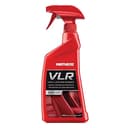
Two answers depending on how far you want to take it. Mothers VLRis the straightforward one: a 24 oz bottle at around eight dollars, covering vinyl, leather and rubber, which is the lowest cost per ounce on this page by a wide margin. CarPro PERL is the arithmetic answer: it is a dilutable concentrate, so you mix it weak for interior plastics and stronger for exterior trim and tires, and one bottle covers far more surface than its shelf price suggests. PERL costs more up front and less per use.
Reason 2: the finish is not what you wanted
303 dries matte by design and says so plainly. For most people that is the attraction — no glare on the dash, no greasy feel on the wheel. But some people want a slightly richer, deeper look on dark plastics, and a matte product will never give that no matter how many coats you apply.
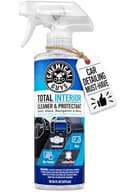
If you want matte specifically, Chemical Guys Total Interioris the pick here — its listed finish is matte and antistatic, and it cleans as it goes. If you simply want cheap published UV protection, Meguiar’s Natural Shine is the value answer: the listing describes a plastic restorer that improves color and shine on vinyl, rubber and plastic while providing UV protection, at roughly half the price. If you want a satin or richer finish, Chemical Guys Silk Shine is the one: it sits deliberately between matte and glossy, and it is the answer for someone who finds 303 too flat rather than too expensive. Neither is a mistake; they are different tastes. Best interior protectants sorts the whole category by finish.
Reason 3: the surface you want to treat is on 303’s own exclusion list
This is the reason most people do not know about, and it is the most legitimate one. 303’s published directions tell you not to use it on unfinished leathers such as suede, on fabrics, floorings, clear plastics, gauge panels or headlights. That is a sensible, honest exclusion list, and it means 303 is not the universal interior product people assume.
For those surfaces you want the right dedicated product rather than a different all-surface spray. Finished leather wants a cleaner and conditioner — best car leather cleaners. Cloth and carpet want upholstery chemistry — best car upholstery cleaners. Hazed headlights want restoration rather than dressing — headlight restoration kits. And clear gauge plastic wants a soft towel and a little glass cleaner at most.
Who each pick is for
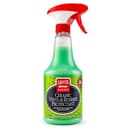
- Griot’s Garage Ceramic Vinyl and Rubber Protectant— for the person who wants 303’s job done with a longer interval between applications. SiO2 chemistry on interior plastics and rubber, in a 22 oz bottle. Griot’s publishes no durability figure we can hold them to, so treat the longevity claim as directional and judge it by when the surface starts looking dusty again rather than by a date.
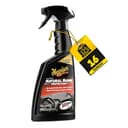
- Meguiar’s Natural Shine Protectant— for covering a whole interior cheaply, often enough to matter. The listing describes a plastic restorer that improves color and shine on vinyl, rubber and plastic while providing UV protection, which is the same job description at roughly half the price. It is a shine-restoring product rather than a matte one, so it is the wrong pick if a flat dash is specifically what you want, and it publishes no durability figure.
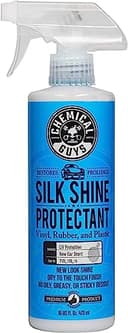
- Chemical Guys Silk Shine— for anyone who finds 303 too flat. A deliberately satin dressing for vinyl, rubber and trim that gives dark plastics some depth without looking wet. If glare on the dash bothers you, this is the wrong direction and Natural Shine is the right one.
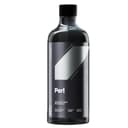
- CarPro PERL— for the detailer who would rather buy one bottle and dilute it. Weak for interiors, strong for exterior trim and tires, which makes it the most versatile product here and the best value per use. It is also the one that asks you to measure things and keep a spray bottle.
- Chemical Guys Total Interior Cleaner & Protectant— for people whose real problem is that 303 does not clean, and for anyone who wants matte specifically. 303 is a protectant, not a cleaner, so dirty plastics need wiping first; this one cleans and lightly protects plastics, vinyl, leather and glass in one pass and leaves a matte, antistatic finish. The trade is that it is not the strongest cleaner for any single job.
- Mothers VLR— our budget pick. 24 oz for around eight dollars, for vinyl, leather and rubber. It is unglamorous and it works, and the cost per ounce means you will actually treat the whole interior rather than rationing it.
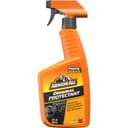
- Armor All Streak-Free Original Protectant— for when you want it today from a store two minutes away, or for covering several cars for the least money from a 28 oz bottle. Its own listing carries the most useful instruction in the category: apply with cloth, not for controls. That is the category’s main failure mode stated by the manufacturer — so wipe it on, keep it off the wheel and pedals, and buff it in.
Who should not switch
Three cases where we would keep buying 303, and it would be dishonest not to say so.
If you are treating a convertible top, outdoor fabric or a boat as well. 303’s range exists for those jobs and the aerospace-fabric heritage is real; a car-interior dressing is not a substitute.
If the published 30-to-45-day figure is why you bought it. Nothing else on this page publishes a comparable number. Swapping to a product with a vaguer claim is not an upgrade even if it is cheaper.
If silicone-free matters to you. 303 states it contains no harmful silicone oils, which can dry out and damage surfaces. Most competitors are silicone-based dressings and do not make that claim either way, so if that was your reason for choosing 303, you have not found an equivalent here.
Getting more out of whichever one you buy
The two things that change your result are not which bottle you choose.
Clean first, always.No protectant cleans. Applied over dust and skin oil, every product here seals in a grimy surface and looks patchy in a week. Wipe the panel with an interior cleaner or a diluted APC and let it dry — see best car interior cleaners and APC vs dedicated interior cleaner.
Apply to the towel, not the panel, and out of the sun.303’s own directions say to apply out of direct sunlight. Spraying onto a towel rather than onto the dash keeps overspray off the windshield, which is the cause of the hazy film people blame on the product. Two towels: one to apply, one to level. And do not dress the steering wheel or pedals with anything — a slick wheel is a genuine safety issue and no finish is worth it.
Why bother at all? DetailingWiki’s position on oxidation is useful context: protective products can seal a surface well enough to prevent it oxidizing, but two forms cannot be reversed at all — surface breakdown and rubber vulcanization, where using a dressing will only hide it a bit. In other words, a protectant is genuinely preventive and almost useless as a repair. Treat the dash before it cracks, not after.
Our call
Buy the Griot’s ceramic protectant if you want the nearest equivalent with a longer interval, and accept that the longevity claim is unquantified.
Buy Mothers VLR if price per ounce is the whole reason you are here. It is the cheapest sensible answer by a long way.
Buy CarPro PERL if you want one bottle for interior plastics, exterior trim and tires, and will dilute it properly.
Buy Total Interior for matte or Silk Shine for satin if finish rather than money is what sent you looking, and Natural Shine if the answer is simply cheaper with UV protection on the label.
And keep buying 303 if you also treat fabric or a convertible top, or if its published durability figure is what you were paying for.