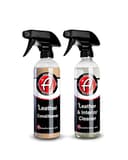
How to choose a leather cleaner and conditioner
The market is full of “leather” sprays that are really just scented protectants. What you actually want is decided by three questions.
1. One step or two?
This is the real fork in the road. A two-step system uses a dedicated cleaner to lift grime, which you wipe away, and then a separate conditioner to rehydrate the leather. It is the thorough way to do it, and it is what we would use on visibly dirty seats or a couple of times a year as a reset. A one-step cleaner-conditioner does both in a single wipe. It cannot clean as hard or condition as deeply as two purpose-built products, but for regular upkeep on seats that are not badly soiled, it is faster and perfectly adequate. Match the product to how dirty your leather actually gets.
2. Is it a cleaner, a conditioner, or both?
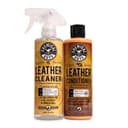
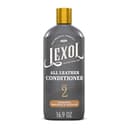
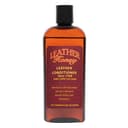
Read the label carefully, because the words get used loosely. A pure conditionerlike Lexol or Leather Honey does not clean — it feeds the leather — so you need to clean first with something else. A cleaner lifts grime but does not replace oils, so leather left with only a cleaning is thirstier than before. The all-in-one kits pair the two. The mistake to avoid is conditioning over dirt, which just seals the grime in, or cleaning and then never conditioning, which dries the leather out.
3. Finish: matte or sheen?
Some conditioners leave a satin, factory-matte finish; others leave a slight sheen that reads as “shiny” and can be slippery on seat bolsters. Most people prefer the matte look on car leather, and the fix for a product that leaves a sheen is simply to use less and buff it off — a thin coat that absorbs beats a thick one that sits on top. A greasy steering wheel is almost always over-application, not the product.
How to actually use them (the short version)
The routine barely changes between products. Vacuum the seats and dust the grain first so you are not grinding crumbs in — a good car vacuum earns its keep here. Clean with a soft brush or microfiber, working the cleaner into the grain and wiping it back. Then apply the conditioner in a thin, even coat, let it soak in, and buff off the excess. Always test a hidden area first, especially on light-colored leather, and keep it out of direct sun while it dries. We walk through the full method, including perforated seats, in how to clean leather car seats.
What leather care won’t do
Conditioner is not a repair product. It keeps healthy leather healthy and can soften leather that is merely dry, but it cannot rebuild leather that has already cracked or where the pigmented top layer has worn through — that is a dye-and-refinish job, not a wipe-on fix. It also will not remove a transferred dye stain (the blue mark denim leaves on light seats) on its own; that needs a dedicated leather cleaner worked gently and repeatedly, and even then it does not always come out. And leather care does nothing for a smell that has soaked into the foam under the cover — that is a job for our odor-removal guide. Where a leather cleaner does help beyond leather is on other coated-vinyl surfaces; for broad interior cleaning, pair it with a good interior cleaner.