How to Clean Car Floor Mats
The single most common mistake is treating this as one job. A rubber liner and a carpet mat want opposite amounts of water, and the method that rescues one ruins the other.
How this is funded:we earn a commission if you buy through our links, at no extra cost to you. It never changes which product we recommend, and we’ll tell you plainly when we’d skip one. Full disclosure.
The short version
Search this question and you get one answer. There are two, and they are close to opposites:
- Rubber, TPE and vinyl liners are waterproof. Flood them, scrub them, pressure wash them. More water is better, because the only way grit leaves the channels is by being flushed out.
- Carpet mats are fabric bonded to a backing. Use the least water you can get away with and spend your effort pulling it back out, because a carpet mat holds moisture longer than anything else you will take out of the car.
Apply the rubber method to a carpet mat and you get a mat that is damp for three days and a car that smells for a month. Apply the carpet method to a rubber liner and you get a liner that still has sand in the grooves.
So the first step is not cleaning. It is looking at the mat.
Step 1: Identify what you actually have
Most cars leave the factory with carpet mats and acquire all-weather linerslater, which is why a lot of vehicles have both — carpet in the back, rubber up front, or the reverse. Check every mat rather than assuming.
Rubber / TPE / vinyl. Solid, waterproof, usually with raised edges and deep channels. These are the easy ones.
Carpet. Woven or tufted pile with a stiff backing underneath, often with molded nibs or hooks that grip the vehicle carpet.
The hybrid.A carpet mat with a rubber or vinyl heel pad set into the driver’s side. Treat the whole mat as carpet; the heel pad takes the rubber method happily but the pile around it does not.
One more thing to check while they are out: the underside. Anti-slip nibs that have gone hard or snapped off are a safety problem, because a mat that slides forward can trap a pedal. Cleaning does not fix that — replacement does.
Step 2: Everything dry comes out first
This step is boring and it does more than the chemistry does. Shake the mats, beat them against a wall, or vacuum them until nothing else comes out.
On a carpet mat, grit left in the pile becomes mud the instant it gets wet, and mud is far harder to extract than dust. On a rubber liner, the stakes are different and higher: a liner full of sand that you pick up and carry past the rear quarter panel is an abrasive pad held against your paint. That is a genuinely common source of wash-induced scratching, and it happens before the wash even starts.
While the mats are out, vacuum the car. This is the only moment you can get a crevice tool under the seat rails and into the pedal box, and it is half the reason to pull the mats in the first place. Our car vacuum picks cover the machines, and pet hair removal covers the version of this job where suction alone is not enough.
Step 3a: Rubber and all-weather liners
This is a ten-minute job with a hose and almost impossible to get wrong.
Spray a diluted all-purpose cleaner over the liner.Mix it stronger than you would for anything inside the cabin — rubber and TPE tolerate chemistry that would ruin a dashboard. Chemical Guys publishes working ratios for its degreaser in the range of roughly 6:1 for heavy oil and 10:1 to 15:1 for medium grime, and a winter floor mat sits at the heavy end of that.
Agitate the channels. A stiff brush works; a drill brush turns the job into two minutes and gets into the grooves properly. This is the one interior surface where aggressive mechanical agitation is entirely safe.
Rinse until the water runs clear. More than you think. Residual cleaner in the surface texture is the main reason a freshly cleaned rubber mat feels slick underfoot, and that is a safety issue rather than an annoyance.
Pressure washer caveat.A wide tip, kept moving, is excellent here — see what PSI to use for the nozzle rules. Do not park a narrow or turbo nozzle on thin TPE; it will mark it.
Step 3b: Carpet mats
Here the goal flips. You are not trying to clean harder, you are trying to get the water back out.
Pre-spray a dedicated fabric and carpet cleaner and let it dwell. A few minutes. Dwell time is what breaks the bond between soil and fiber, and it is free — whereas extra solution is the thing you will have to remove later.
Agitate the pile. A medium brush, worked in one direction. Cloth is the one interior surface where hand agitation genuinely is not enough on ground-in soil.
Extract, or blot properly.If you own an extractor, one wet pass then three or four suction-only passes. If you do not, press a clean dry microfiber firmly into the pile — press, do not wipe — and repeat with fresh towels until they come away almost dry. Our carpet extractor roundup ranks the machines on exactly this, and steam cleaner vs carpet extractor covers why a steamer is the wrong tool for a thick mat.
And a word on the internet’s favorite answer. Baking soda appears in half the autocomplete suggestions for this query. It is genuinely useful as a dryodor absorber — sprinkle it on a dry mat, leave it, vacuum it out thoroughly. What it is not is a cleaner, and wetting it into the pile leaves a gritty white residue that takes more rinsing to remove than the original stain did. Keep it dry or skip it.
Step 4: Drying is the step that decides everything
Stand mats on edge, not flat, so air reaches both faces. Outside in sun and wind is ideal. A fan in a garage is the next best thing.
The target to beat is the US EPA’s mold guidance: wet materials should be dried within 24 to 48 hours to prevent mold growth. A thick carpet mat with a solid backing is one of the slowest-drying objects you will take out of a car, which is the whole reason the carpet method is built around extraction rather than cleaning strength.
Never put a damp mat back in.Two reasons, and the second one is worse. First, a closed car is a sealed, dark, badly ventilated box — the textbook conditions. Second, a damp mat transfers its moisture straight into the vehicle’s own carpet and the padding beneath it, and that padding is bonded to a steel floor pan with nowhere for water to go. You have moved the problem somewhere you cannot reach it. If the car already smells, that is usually what happened, and getting smells out of a car covers the diagnosis.
Step 5: The dressing mistake
This is the one piece of advice on this page that is worth more than the rest of it combined, and the product aisle will never give it to you.
Do not put a dressing, protectant or tire shine on a driver’s floor mat.It looks fantastic. It also makes the surface your right foot pivots on slippery, six inches from a brake pedal. Silicone dressings are formulated to be slick — that is the point of them on a tire sidewall and the opposite of what you want underfoot.
If you want the deep matte black back, there is a safer version: use a matte interior protectant — not a gloss dressing — and apply it to the passenger and rear mats only, wiped on thinly with a cloth and then buffed with a dry towel so nothing is left sitting on the surface. Leave the driver’s mat clean and bare. A clean rubber mat already looks right; it just does not shine.
Winter changes the cadence, not the method
From the first salted road to the spring thaw, mats go from the easiest surface in the car to the hardest-working one. They are catching brine, slush and grit all winter, and they are the one part of the interior that gets a measurable chemical load rather than just dirt.
Salt itself is the easy part — it is water-soluble, so the white crust rinses off a rubber liner with warm water and comes out of carpet with a pre-spray and extraction. The reason to stay on top of it is what it does while it sits: AAA has warned that winter road salt causes hidden, costly vehicle damage, and a mat is where salt stays in contact with the vehicle for longest. A heavily salted carpet mat that is never extracted is a slow brine bath over the floor pan.
Two practical winter adjustments. Swap to rubber liners for the seasonif you own both sets — it is the single best thing you can do for a car in a salt belt, and carpet mats stored in a dry garage are carpet mats you are not fighting in March. That swap is close to standard on trucks, which is one of several things that make them a different job — see how to detail a truck. And clean them more often but less thoroughly: a weekly hose-off of a rubber liner takes three minutes and is worth more than one deep clean in April. The same logic drives our undercarriage cleaner picks and how to wash a car in winter.
What the job actually needs
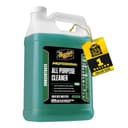
The rubber-mat chemistry
Meguiar's Professional D101 All Purpose Cleaner
A gallon of dilutable APC concentrate is the right chemistry for rubber, TPE and vinyl liners, mixed strong. The same bottle dilutes weak for the car's own carpet and door shuts, which is the entire argument for buying concentrate rather than five sprays.
$24.99View on AmazonPrice as of November 20, 2026. #ad How we’re funded
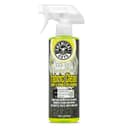
The carpet-mat chemistry
Chemical Guys Citrus Fabric & Carpet Cleaner, Ready-to-Use (CWS21916SW)
For carpet mats, a ready-to-use foaming fabric and carpet cleaner beats an APC because the foam keeps more product at the fiber surface instead of soaking into the backing you then have to dry. Nothing to mix, which removes the most common way this job goes wrong.
$10.99View on AmazonPrice as of November 20, 2026. #ad How we’re funded
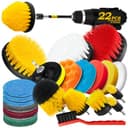
The agitation
Holikme 22-Piece Drill Brush Attachment Set
A drill brush is the cheapest power tool in detailing and a rubber floor liner is the single best place to use one - deep channels, no paint anywhere near it, and nothing to damage. Use the softer pads on carpet, and start on a hidden corner because a stiff brush can fuzz the nap.
$19.99View on AmazonPrice as of November 20, 2026. #ad How we’re funded
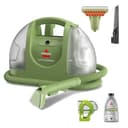
The water removal
BISSELL Little Green Multi-Purpose Portable Carpet Cleaner (1400B)
The upgrade that changes the carpet-mat job, because it removes the water it puts in rather than leaving it in the backing. Also the fastest way to get salt out of a winter mat, since blotting redistributes dissolved salt rather than removing it.
Frequently asked questions
How do you clean car floor mats at home?
Take them out, knock out the dry debris, and then split by material. Rubber, TPE or vinyl all-weather liners: spray with a diluted all-purpose cleaner, agitate with a stiff brush, rinse with a hose, and stand them on edge to dry. Carpet mats: pre-spray a fabric and carpet cleaner, let it dwell a few minutes, agitate the pile with a brush, then pull as much of the solution back out as you can - with an extractor if you own one, or by pressing clean dry towels firmly into the pile and repeating until they come away almost dry. The step people skip on both routes is drying, and it is the one that decides whether the car smells next week.
Can you pressure wash car floor mats?
Rubber, TPE and vinyl liners, yes - they are waterproof by design and a pressure washer is the fastest way to flush the channels that trap grit. Keep the nozzle moving, use a wide tip, and do not hold a narrow or turbo nozzle in one place on thin TPE. Carpet mats, no. Pressure forces water deep into the backing where nothing can pull it out, so you trade twenty minutes of cleaning for several days of damp. If a carpet mat is genuinely filthy the right machine is an extractor, not a washer.
How do you clean rubber car mats so they are not slippery?
Rinse more thoroughly than feels necessary, and then put nothing on them. Slipperiness after cleaning comes from two things: residual cleaner left in the surface texture, or a dressing applied afterwards. Rinse until the water runs clear and no foam appears when you rub the surface. Then resist the urge to make them look new with a protectant or tire shine - a driver's mat with a silicone dressing on it is a genuine hazard around a brake pedal. If you want the matte-black look back on the passenger and rear mats, use a matte interior protectant and keep it off the driver's side entirely.
How do you get salt stains off car mats?
Salt is water-soluble, so the answer is more rinsing rather than stronger chemistry - which is good news, because the white crust is usually the easiest thing on a winter mat to remove. On rubber liners, flush with warm water, agitate, and flush again. On carpet mats, a pre-spray followed by extraction is what actually removes it; blotting alone just redistributes dissolved salt across the pile, which is why the stain reappears as it dries. A dedicated salt-removing concentrate helps where the deposit has built up over months. Worth knowing why it matters beyond looks: AAA has warned that winter road salt causes hidden, costly vehicle damage, and mats are where salt sits longest against the car.
Can you put car floor mats in the washing machine?
Carpet mats: we would not, and most manufacturers do not approve it. A domestic machine's agitation can separate the carpet from its backing and destroy the anti-slip nibs on the underside, and a rubber-backed mat on a spin cycle is hard on the machine's drum and bearings. Rubber liners: pointless, since a hose does it better in less time. The one exception worth a mention is a thin, fully fabric mat with no rubber backing, on a cold gentle cycle and air dried - and even then you are risking the backing to save a ten-minute job.
How long do car mats take to dry?
Rubber liners are usually dry in under an hour standing on edge in moving air. Carpet mats depend almost entirely on how much solution you extracted: well extracted and in sun, a few hours; soaked and left flat in a garage, more than a day. The number to beat is the US EPA's mold guidance, which is that wet materials should be dried within 24 to 48 hours to prevent mold growth. A carpet mat is thick, dense and backed on one side, so it is one of the slowest-drying things in the car - which is exactly why the method emphasizes extraction over cleaning power.
What is the best cleaner for car floor mats?
There is no single answer, because the two materials want different chemistry. For rubber, TPE and vinyl liners, a diluted all-purpose cleaner is the right tool and the cheapest - a gallon of concentrate mixed strong handles mats, wheel wells and door shuts. For carpet mats, a dedicated foaming fabric and carpet cleaner is better than an APC, because the foam keeps more of the product at the fiber surface instead of soaking into the backing. Skip household carpet shampoo: it is high-foaming by design, which is a problem if you ever run it through an extractor, and it is not formulated for the kind of synthetic pile automotive mats use.
Should I clean the mats or the car carpet first?
Mats out first, then the car's carpet, then the mats themselves. Pulling the mats is what gives you access to the vehicle carpet under the pedals and along the seat rails, and vacuuming that while it is exposed is the whole reason to take them out. Clean the mats last so they have the longest possible drying window, and do not put them back until they are fully dry - a damp mat on dry carpet transfers its moisture straight into the car's own padding, which is far harder to dry than the mat was.
Sources
- US EPA — A Brief Guide to Mold, Moisture and Your Home — EPA guidance that wet materials should be dried within 24–48 hours to prevent mold growth (accessed August 23, 2026)
- AAA (The Auto Club Group) — Winter Road Salt Can Cause Hidden, Costly Vehicle Damage — AAA on salt-accelerated undercarriage corrosion, insurance exclusion, and washing at least every two weeks (accessed August 31, 2026)
- Chemical Guys — How To Clean Your Engine Bay Without Causing Damage — Manufacturer procedure: let the engine cool completely before applying product; cover the alternator, intake, fuse box and battery terminals; keep water pressure low and away from electrical components; roughly 6:1 degreaser dilution for heavy oil and 10:1 to 15:1 for medium grime; finish with a water-based dressing on hoses and plastic covers (accessed September 18, 2026)
Keep reading
How to Clean Car Carpet
The same discipline applied to the carpet the mats sit on - which is bonded to a steel floor pan with nowhere for water to go.
Read the guideBest Carpet Extractors for Car Detailing
The machine that pulls the solution back out, ranked on recovery rather than spray pressure. The one upgrade that changes a carpet mat job.
See the machinesBest Car Upholstery & Carpet Cleaners
The chemistry half for carpet mats - foaming formulas that keep product at the fiber surface instead of in the backing.
Compare cleanersDrill Attachment Detailing Kits
A drill brush turns a twenty-minute scrub on a rubber liner into a two-minute one, and it is the cheapest power tool in detailing.
See the kits