How to Wash a Car in Winter
In salt season the paint is the least important surface on the car. This is how to wash when it is cold — the interval AAA recommends, the order that flushes salt out of the chassis, and how not to freeze your doors shut.
How this is funded:we earn a commission if you buy through our links, at no extra cost to you. It never changes which product we recommend, and we’ll tell you plainly when we’d skip one. Full disclosure.
Winter washing is an underside job
Everything about a summer wash is aimed at the paint. Winter reverses the priority, because the thing that costs real money in winter is not how the car looks — it is chloride sitting inside seams, chassis rails, wheel wells and suspension components where you cannot see it.
The scale is not trivial. AAA’s research puts salt and chemical de-icer damage at roughly $3 billion a year in the US, around $15.4 billion over five years, affecting some 22 million drivers at about $500 per repair — and it notes that corrosion damage is typically excluded from insurance. The US Federal Highway Administration gives a sense of the volume behind that: snow and ice control is a continuous, nationwide operation every winter.
So the schedule and the method both change. AAA’s road-salt guidance is to wash at least every two weeks through salt season, with the underside as the target rather than an afterthought.
When to wash
Above freezing, in the warmest part of the day, with daylight left. That is the whole rule, and it exists because of what happens after the wash rather than during it. Water that gets into a door shut, a lock cylinder, a seal or a parking brake cable at 30°F becomes ice before you park, and a door frozen to its frame can tear a seal when you force it.
If the choice is between washing a heavily salted car below freezing and not washing it at all for another three weeks, wash it — but do a rinse rather than a full wash, and spend the extra minutes drying the shuts. The corrosion risk is cumulative and real; the inconvenience of a stiff door is not.
The order that works
Run the underside first, before the paint. Two reasons: it is the part of the job that matters most, so it should happen while you still have water pressure, daylight and enthusiasm; and the salty runoff leaves the car before you start washing panels, rather than being dragged down over freshly cleaned paint.
Aim water into the wheel wells, along the rails, behind the bumpers and over the suspension arms. Volume and placement matter more than pressure here — you are flushing dissolved salt out, not blasting mud off. That is why a garden-hose undercarriage tool is a genuinely reasonable buy even though it hits far softer than a pressure washer. The full comparison is in the undercarriage cleaner roundup.
Then the paint, in the normal sequence: pre-soak, dwell, rinse, and only then contact. A winter car carries far more grit than a summer one, so the pre-soak stage earns its keep. Touching a salted car with a mitt before it has been rinsed is the single most reliable way to put swirl marks in — see washing without scratching and the two-bucket method.
Why rinsing alone is not enough
Water dilutes salt. It does not neutralize the chloride clinging inside seams, crevices and box sections, which is why a car can look perfectly rinsed and still corrode from the inside out. This is the gap a salt-removing rinse aid fills, and it is the cheapest meaningful upgrade to a winter routine if you drive treated roads daily.
The same logic applies to any exposed bare metal underneath. A corrosion film is not a detailing product and it is not glamorous, but on an older car with surface rust already starting it does more good than anything you could put on the paint.
What to look for in winter gear
Three criteria, all of them about the underside rather than the shine:
- Reach under the car without a pressure washer. Most people do not own one, and the winter job is about water volume and placement rather than PSI — so a hose-compatible tool does the job that matters.
- Chemistry that addresses chloride, not just a soap asked to moonlight as one.
- A way to wash when it is genuinely too cold to hose, for the garaged car that has picked up light film rather than salt.
And one that is not gear at all: protection applied in autumn. A sealed car sheds road film, and every winter wash after that takes less contact to get clean — which on a gritty car is the whole safety argument.
The winter shortlist

The underside flush
Tool Daily Undercarriage Cleaner for Power Washer and Garden Hose, 16 in
The one undercarriage tool in our roundup whose listing states it runs from a garden hose as well as a pressure washer. Flushing dissolved salt out of chassis rails is about water volume and placement, and hose pressure does that perfectly well.
$45.99View on AmazonPrice as of September 17, 2026. #ad How we’re funded
Neutralises what rinsing leaves
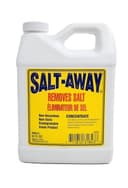
Salt-Away Concentrate, 32 fl oz
Water dilutes chloride but does not neutralize what clings inside seams, which is why a rinsed car can still corrode. A marine-origin product the manufacturer also lists for cars, trucks and road equipment, with stated non-toxic and biodegradable claims that matter for driveway runoff.
$22.18View on AmazonPrice as of September 17, 2026. #ad How we’re funded
The autumn job
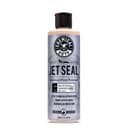
Chemical Guys JetSeal Anti-Corrosion Paint Sealant
A synthetic sealant sold on corrosion protection as much as gloss, which is precisely the honest reason to choose a sealant before winter. Apply it before the first treatment run and salt, grit and de-icer spend the season sitting on it instead of on your clear coat.
$39.99View on AmazonPrice as of September 17, 2026. #ad How we’re funded
When it is too cold to hose
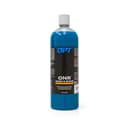
Optimum No Rinse Wash & Shine (Version 5)
One capful in a bucket of warm water cleans a garaged car that has picked up light road film, with no runoff to freeze on the driveway. The limit is firm though — this is not the product for a car that has just come off a salted highway.
$27.60View on AmazonPrice as of September 17, 2026. #ad How we’re funded
Drying: the step people skip and regret
In summer, imperfect drying costs you water spots. In winter it costs you a door you cannot open. Dry the paint with a large drying towel or a blower, then go back and open every door, the trunk and the fuel flap and dry the shuts, the seals and the latches.
Wipe the rubber seals with a rubber-safe dressing afterwards so they do not bond to the frame overnight. Blow or wipe water out of lock cylinders if the car still has them. And do not engage the parking brake after a winter wash if you can leave the car in gear or in park on level ground — a wet cable that freezes is a genuinely annoying problem to solve in a driveway.
What to skip until spring
Claying, polishing and coating are all warm-weather jobs. Clay needs lubrication that does not thicken in the cold, compounds and polishes have working temperature ranges of their own, and coatings need a cure window that a frozen driveway will not give them. Waxing in the cold has the same problem in reverse as waxing in the sun — the product stiffens, spreads unevenly and fights you.
Do the protection before winter and the correction after it. In between, wash the underside every couple of weeks and let that be enough.
Frequently asked questions
How often should you wash your car in winter?
AAA's road-salt guidance is to wash at least every two weeks through salt season, and more often if you are driving treated roads daily. The interval is driven by the underside rather than the paint — salt that is left in seams and on chassis rails keeps working whether the car looks clean or not.
Is it bad to wash your car in freezing weather?
Washing below freezing risks water freezing in door shuts, locks, seals and the parking brake, and it makes drying properly almost impossible. Wait for a day above freezing if you can. If you cannot and the car is heavily salted, a plain underside flush is still worth doing — the corrosion risk outweighs the inconvenience.
Does road salt really damage a car?
Yes, and expensively. AAA's research puts salt and chemical de-icer damage at around $3 billion a year in the US, roughly $15.4 billion over five years, affecting some 22 million drivers at about $500 per repair — and notes that corrosion damage is typically excluded from insurance coverage.
Do automatic car washes with undercarriage spray work in winter?
They are much better than nothing, and in deep winter they are a reasonable default because they are warm, fast and drain properly. The trade-off is the brushes, which are a common source of swirl marks. A touchless wash with an undercarriage pass is the best compromise if you cannot wash at home.
Can I use a rinseless wash in winter?
Only on a lightly dirty car. Rinseless washing relies on there being little enough grit that the towel can encapsulate and lift it, and a salted winter car fails that test badly. Use rinseless for a garaged car that has picked up light film, never for one that has been on treated roads.
Should I wax my car before winter?
Yes, and it is one of the highest-value hours you can spend. A synthetic sealant applied in autumn gives salt, grit and de-icer a sacrificial layer to sit on for the whole season, and it makes each winter wash faster because road film releases more easily. Aim for it before the first treatment run rather than after.
Sources
- AAA (The Auto Club Group) — Winter Road Salt Can Cause Hidden, Costly Vehicle Damage — AAA on salt-accelerated undercarriage corrosion, insurance exclusion, and washing at least every two weeks (accessed August 31, 2026)
- AAA Oregon/Idaho — Salt and Chemical De-Icers Cost Drivers $3 Billion Annually — AAA survey figures: $3 billion a year, $15.4 billion over five years, 22 million drivers, roughly $500 per repair (accessed August 31, 2026)
- US FHWA — Road Weather Management: Snow & Ice — Federal Highway Administration on the scale of US snow and ice control operations (accessed August 31, 2026)
- AAA (The Auto Club Group) — How Often Should You Wash Your Car? — AAA: "Industry experts recommend washing your car about every two weeks"; bird droppings, dead bugs and tree sap are highly acidic and damage paint if left too long; salt exposure means washing more often; waxing twice a year (accessed September 18, 2026)
Keep reading
Best Undercarriage Cleaners
The tools that actually flush salt out of chassis rails and wheel wells, with and without a pressure washer.
Compare the toolsHow Often Should You Wash Your Car?
The year-round schedule, and why the winter interval is the one that costs money to ignore.
Read the guideBest Rinseless & Waterless Washes
Useful for a garaged winter car with light film — and explicitly not for a salted one.
Compare rinseless washesBest Paint Sealants
The autumn job that makes every winter wash easier and gives salt something other than clear coat to sit on.
See the sealants