TWO BUCKET CLUB

Best Quick Detailer Sprays (2026)

A quick detailer buys you lubricity, not protection - and used on a car that is dirtier than dusty, it is the most common way home detailers scratch their own paint. Here is how to pick one and when to put it down.

By Stephen V.Last updated How we pick

A quick detailer is the most-used and least-understood bottle in home detailing. It is cheap, it makes paint look instantly better, and it is sold with photographs of gloss — which is why most people buy one for the wrong reason and use it in the wrong situation.

Here is what it actually is. DetailingWiki describes a quick detailer as a product that works “by leaving a very small layer of wax and or polymers on top of the existing layer,” normally sprayed onto a microfiber towel and then wiped across the surface— and it notes that spraying it straight onto the panel “is rarely recommended” because product ends up in places a towel cannot reach and dries there. That is the whole product: a thin lubricating film that lets a towel move across paint without dragging.

Which means the decision that matters is not which bottle. It is how dirty the car is. A detailer handles dust, fingerprints, water marks and a bird bomb caught early. It does not handle a week of road film, and wiping road film with a towel — lubricated or not — is how home detailers put swirls into their own paint. The criteria section below starts there, because it is the part that costs money to get wrong.

Six picks follow: four ready-to-use detailers at three price points, one SiO2-bearing spray for coated cars, and one concentrate for the case where the car is genuinely too dirty for any of the others. Every size and claim is read from the product listing on the build date, and where a maker publishes no durability figure — which is all of them, correctly — this page prints none. Live prices on every row.

How this is funded:we earn a commission if you buy through our links, at no extra cost to you. It never changes which product we recommend, and we’ll tell you plainly when we’d skip one. Full disclosure.

Quick picks

Ranked on published specs, value and buyer fit. Select a row to jump to the full write-up. We have not lab-tested these products — here is exactly what we do instead.

#ProductBest forPrice
1
Griot's Garage Speed Shine, 35 oz

Griot's Garage Speed Shine, 35 oz

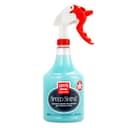
The quick detailer most enthusiasts end up buying twice, and the one we would put in a first-time cart. The listing describes it as a quick detailer for all exterior surfaces, trim and wheels that provides a glossy finish, in a 35 oz bottle - the largest in this group, which matters more than it sounds, because a detailer gets used in volume when it is used correctly (sprayed into the towel, two towels, generous passes). It is deliberately not sold as protection and does not claim a durability figure, which is the right framing for the category: you are buying lubricity and dust removal, not a coating.

Best overall
$14.99View on Amazon

$16.499% off

Price as of October 11, 2026. #ad How we’re funded

2
Meguiar's Quik Detailer, 32 oz

Meguiar's Quik Detailer, 32 oz

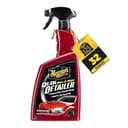
The one to buy if you want a detailer in the garage tonight and do not want to think about it. It is a 32 oz bottle of the product that defined the mist-and-wipe category, carried by nearly every parts store and supermarket with an automotive aisle, and it costs less than the enthusiast bottles per ounce. Meguiar's does not publish a protection claim for it, and that is correct - it is a cleaner-and-gloss product, not a wax. The practical reason to prefer it over the cheaper 16 oz size is simply that people under-use a detailer when the bottle feels precious, and under-using it is what causes marring.

Best value
$12.99View on Amazon

$16.0019% off

Price as of October 11, 2026. #ad How we’re funded

3
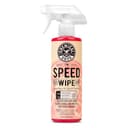
Chemical Guys Speed Wipe Quick Detailer, 16 oz

Chemical Guys Speed Wipe Quick Detailer, 16 oz

The cheapest way to find out whether you want a detailer in your routine at all. The listing describes a 16 oz high-gloss quick detailer spray; Chemical Guys also sells the same product in 32 oz and gallon sizes, which is the upgrade path if it earns a place on your shelf. At this size and price it is the bottle to keep in the trunk for bird-bomb emergencies and show-day fingerprints rather than the one you reach for after every wash - and keeping a detailer in the car is genuinely useful, because the thing that etches paint is a contaminant left on it for a week.

Best trunk bottle
$10.97View on Amazon

Price as of October 11, 2026. #ad How we’re funded

4
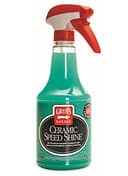
Griot's Garage Ceramic Speed Shine Detail Spray, 22 oz

Griot's Garage Ceramic Speed Shine Detail Spray, 22 oz

The pick for a car that is already coated, with one caveat worth reading. The listing says it provides a high-gloss finish and "Extends Life of Coatings" in a 22 oz bottle, and used as a maintenance wipe over an existing ceramic layer that is a reasonable claim - a thin SiO2-bearing spray tops up the slickness a coated car is supposed to have. What it cannot do is replace the coating, and DetailingWiki makes the point this whole category hides behind: a detailer "can improve beading and sheeting for a short period of time" because the layer meeting the water is the detailer, so "the surface may show good beading and sheeting even though the layer underneath is worn." Use it to maintain a coating, not to decide whether the coating is still there.

Best for coated cars
$17.99View on Amazon

Price as of October 11, 2026. #ad How we’re funded

5
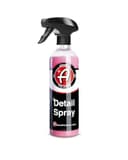
Adam's Polishes Detail Spray

Adam's Polishes Detail Spray

Strictly a quick detailer rather than a wax, and it earns its place here because it is the product that does the jobs a spray wax gets misused for: clay lubricant, drying aid, dust wipe-down and gloss booster over whatever protection is already on the car.

Best as a drying aid and clay lube
$12.74View on Amazon

$14.9915% off

Price as of October 11, 2026. #ad How we’re funded

6
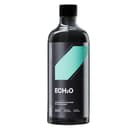
CarPro ECH2O Waterless Wash & Quick Detailer

CarPro ECH2O Waterless Wash & Quick Detailer

A waterless wash and detailer concentrate that leans on slickness - the whole safety argument for waterless washing is lubrication, and this is the one enthusiasts point at when they argue the method can be done safely.

Best when the car is too dirty for a detailer
$35.97View on Amazon

Price as of October 11, 2026. #ad How we’re funded

The picks in full

#1Best overall

Griot's Garage Speed Shine, 35 oz

The quick detailer most enthusiasts end up buying twice, and the one we would put in a first-time cart. The listing describes it as a quick detailer for all exterior surfaces, trim and wheels that provides a glossy finish, in a 35 oz bottle - the largest in this group, which matters more than it sounds, because a detailer gets used in volume when it is used correctly (sprayed into the towel, two towels, generous passes). It is deliberately not sold as protection and does not claim a durability figure, which is the right framing for the category: you are buying lubricity and dust removal, not a coating.

What we like

  • 35 oz - by far the most product per bottle here, and a detailer is used generously
  • Listed as safe for all exterior surfaces including trim and wheels, so one bottle covers the car
  • Makes no protection claim, which is honest for a QD and keeps expectations right

Trade-offs

  • No protection and no published durability - if you want months of beading, buy a sealant
  • Not a dirt remover: on a genuinely gritty car, wiping with any detailer drags grit across paint
  • Costs more per ounce than the parts-store detailers that do the same core job
TypeReady-to-use quick detailer spray for exterior surfaces
Standout specListing states use on all exterior surfaces, trim and wheels; glossy finish
Size35 oz
Best forA general-purpose detailer for dust, fingerprints and post-wash final wipes
Price tierMid

Cost-to-use note. Used correctly - sprayed into the towel rather than the panel - a 35 oz bottle is many full-car wipe-downs plus clay lubrication duty, which is where the big bottle pays off.

Specs read from the product listing, on October 11, 2026. “Not listed” means the listing does not state that figure.

#2Best value

Meguiar's Quik Detailer, 32 oz

The one to buy if you want a detailer in the garage tonight and do not want to think about it. It is a 32 oz bottle of the product that defined the mist-and-wipe category, carried by nearly every parts store and supermarket with an automotive aisle, and it costs less than the enthusiast bottles per ounce. Meguiar's does not publish a protection claim for it, and that is correct - it is a cleaner-and-gloss product, not a wax. The practical reason to prefer it over the cheaper 16 oz size is simply that people under-use a detailer when the bottle feels precious, and under-using it is what causes marring.

What we like

  • 32 oz at a budget price - the best cost per ounce of the ready-to-use picks here
  • Sold nearly everywhere, so a replacement is never a shipping wait
  • Light-bodied and very forgiving to wipe off, including on dark paint

Trade-offs

  • No protection or durability claim at all, so it does nothing for beading
  • Thinner than the enthusiast sprays, so heavy dust wants two passes rather than one
  • Fragrance is noticeable in an enclosed garage
TypeReady-to-use mist-and-wipe quick detailer
Standout specNot listed
Size32 oz
Best forBuying your first detailer locally, and keeping a big bottle for routine dust
Price tierBudget

Cost-to-use note. A 32 oz trigger bottle is dozens of panel wipe-downs. Because it is cheap by the ounce, it is also the bottle to dilute into a clay lubricant if your clay kit did not come with one.

Specs read from the product listing, on October 11, 2026. “Not listed” means the listing does not state that figure.

#3Best trunk bottle

Chemical Guys Speed Wipe Quick Detailer, 16 oz

The cheapest way to find out whether you want a detailer in your routine at all. The listing describes a 16 oz high-gloss quick detailer spray; Chemical Guys also sells the same product in 32 oz and gallon sizes, which is the upgrade path if it earns a place on your shelf. At this size and price it is the bottle to keep in the trunk for bird-bomb emergencies and show-day fingerprints rather than the one you reach for after every wash - and keeping a detailer in the car is genuinely useful, because the thing that etches paint is a contaminant left on it for a week.

What we like

  • Lowest price of any pick here, and the same formula scales to 32 oz and a gallon if you like it
  • 16 oz is a sensible trunk or glovebox size that will not roll around the cargo area
  • High-gloss finish that flashes off quickly, which suits spot fixes rather than whole-car passes

Trade-offs

  • 16 oz does not go far if you use it on the whole car - plan on the bigger size for that
  • No protection claim, so it is not an answer to worn wax
  • Strong cherry fragrance; some people love it and some will not want it in a closed garage
TypeReady-to-use gloss-enhancing quick detailer spray
Standout specListing states high gloss shine; same formula also sold in 32 oz and 1 gallon
Size16 oz
Best forA trunk bottle for emergencies, and for trying the category on a small budget
Price tierBudget

Cost-to-use note. A 16 oz bottle is enough for many spot fixes but only a handful of full-car wipe-downs. If you find yourself reaching for it weekly, the 32 oz or gallon size is the cheaper way to keep going.

Specs read from the product listing, on October 11, 2026. “Not listed” means the listing does not state that figure.

#4Best for coated cars

Griot's Garage Ceramic Speed Shine Detail Spray, 22 oz

The pick for a car that is already coated, with one caveat worth reading. The listing says it provides a high-gloss finish and "Extends Life of Coatings" in a 22 oz bottle, and used as a maintenance wipe over an existing ceramic layer that is a reasonable claim - a thin SiO2-bearing spray tops up the slickness a coated car is supposed to have. What it cannot do is replace the coating, and DetailingWiki makes the point this whole category hides behind: a detailer "can improve beading and sheeting for a short period of time" because the layer meeting the water is the detailer, so "the surface may show good beading and sheeting even though the layer underneath is worn." Use it to maintain a coating, not to decide whether the coating is still there.

What we like

  • Formulated as a coating-maintenance spray rather than a plain gloss wipe
  • 22 oz bottle, and a maintenance spray is used more sparingly than a general detailer
  • Pairs with the coated-car wash routine we recommend elsewhere on the site

Trade-offs

  • Costs more than a plain detailer for a benefit you cannot see directly
  • Masks the wear it is topping up - good beading after a wipe is not evidence the coating survives
  • Still not protection: the listing claims extended coating life, not a durability figure of its own
TypeSiO2-bearing quick detailer for coated paint
Standout specListing states high-gloss finish and extended coating life
Size22 oz
Best forMaintaining a ceramic-coated car between washes without adding a real protection step
Price tierMid

Cost-to-use note. Used as a maintenance wipe after a wash rather than a dust remover between washes, a 22 oz bottle lasts a coated car a long season.

Specs read from the product listing, on October 11, 2026. “Not listed” means the listing does not state that figure.

#5Best as a drying aid and clay lube

Adam's Polishes Detail Spray

Strictly a quick detailer rather than a wax, and it earns its place here because it is the product that does the jobs a spray wax gets misused for: clay lubricant, drying aid, dust wipe-down and gloss booster over whatever protection is already on the car.

What we like

  • One bottle covers clay lubrication, drying aid and quick wipe-downs
  • Adds gloss over an existing wax, sealant or coating
  • Cheap, and the bottle lasts because you use very little at a time

Trade-offs

  • Not a protective layer - it boosts what is already there
  • Only for light dust; anything gritty needs a wash
TypeQuick detailer / gloss booster
Standout specDetailer, clay lube and drying aid
Size16 fl oz
Best forClay lube, drying aid and dust between washes
Price tierBudget

Specs read from the product listing, on August 18, 2026. “Not listed” means the listing does not state that figure.

#6Best when the car is too dirty for a detailer

CarPro ECH2O Waterless Wash & Quick Detailer

A waterless wash and detailer concentrate that leans on slickness - the whole safety argument for waterless washing is lubrication, and this is the one enthusiasts point at when they argue the method can be done safely.

What we like

  • Concentrate, so the 1 liter bottle makes a large amount of working solution
  • High-lubricity formula aimed squarely at reducing marring
  • Also usable as a drying aid and quick detailer

Trade-offs

  • Waterless is only ever for light soil - never on a gritty car
  • Premium price per bottle before dilution is taken into account
TypeWaterless wash & detailer concentrate
Standout specConcentrate; dilutes for waterless or drying aid
Size1 L (34 oz)
Best forLight dust on a coated car, between real washes
Price tierPremium

Cost-to-use note. Sold as a concentrate, so cost per spray bottle of working solution is far below the sticker price.

Specs read from the product listing, on August 18, 2026. “Not listed” means the listing does not state that figure.

How to choose a quick detailer

1. Dirt load is the real spec

Everything else on this page is secondary to one judgment: is this car dusty, or is it dirty? They look similar in a garage and they are not remotely the same thing for your clear coat.

Dust and pollen— a car parked under a tree for a few days, or kept in a covered garage — is quick-detailer territory. The particles are fine and few, the lubricating film carries them into the towel, and a folded towel with plenty of product does no measurable harm.

Road film— the gray haze a car picks up in a week of driving, especially in wet weather — is not. It is a bonded mix of brake dust, tire rubber, oil and silt, and it does not lift into a towel. It grinds. A quick detailer used on this is the most common self-inflicted paint damage in home detailing, and it is why so many people conclude their dark car “just shows swirls.”

Visible grit, sand or salt is a wash, full stop. Nothing you spray from a bottle makes dragging a sand grain across clear coat safe. If the car is in that state and you have no hose, a rinseless or waterless wash is the correct product — several towels, generous solution, one panel at a time — and the CarPro concentrate in the list above is on this page precisely so there is an honest answer for that case.

The test we use: run a clean finger across the paint. If it comes up with a film on it, the car wants washing. If it comes up with a light dust, a detailer is fine.

2. Spray the towel, not the panel

DetailingWiki is blunt about this and it is the single technique change that makes a detailer safe: product goes on the towel. The wiki notes that users who prefer spraying straight onto the surface are doing something “rarely recommended,” because the detailer gets into panel gaps, badge edges and trim textures that a towel cannot reach, then dries there and leaves marks.

The method that follows from that: fold a plush towel in quarters, spray two or three mists onto the face, wipe one panel in straight lines with no pressure, then flip to a dry side (or a second towel) and buff. Four folded faces gives you four fresh surfaces before the towel goes in the laundry basket. Never re-use a face that has picked up grit, and never pick a towel up off the floor and keep going.

That is also why bottle size is a genuine safety spec rather than a value question. People ration a small bottle, a rationed towel is a dry towel, and a dry towel on dusty paint marrs it. The 35 oz and 32 oz picks above are the two we would hand a beginner for exactly this reason.

3. A detailer is not protection — and it hides whether you have any

This is the most useful thing on the page, and it comes straight from DetailingWiki’s write-up of the category’s downside. Because a quick detailer leaves a thin polymer layer on top, it “can improve beading and sheeting for a short period of time, mostly because the layer that interacts with the water is actually the quick detailer and not the protective layer underneath”. The consequence is spelled out: “the surface may show good beading and sheeting even though the layer underneath is worn and needs to be replaced.”

Read that twice if you judge your wax by how water behaves. The way most people decide it is time to re-wax is beading, and a detailer quietly removes that signal for a week or two at a time. The same source dismantles the other half of the marketing: “boosting” a wax “would imply that it revives the layer of wax underneath, which is not the case” — in many cases the detailer simply sits on top of it.

So keep the two jobs separate in your head. If you want water to bead because the paint is protected, that is a spray wax, a sealant or a coating, and all three publish durability claims a detailer does not. If you want dust off the hood before a photograph, that is this page.

4. What “ceramic detailer” actually buys you

Half this aisle now says ceramic or SiO2 on the label. The honest version of the claim is narrow and real: a thin silica-bearing spray wiped over an existing ceramic coating tops up slickness and gloss, which is why the Griot’s Ceramic Speed Shine listing claims it “extends life of coatings” rather than claiming a durability figure of its own.

The dishonest version is the inference buyers make — that a ceramic detailer gives an unprotected car ceramic protection. It does not. If the car has no coating, a maintenance spray has nothing to maintain, and you are paying a premium for gloss. Buy the ceramic detailer because the car is coated, and read the beading warning above before you use it to decide whether the coating is still working.

5. Concentrate or ready to use

Some of this category is sold diluted and ready, some as a concentrate you mix. DetailingWiki notes there is no strict rule, that manufacturers often publish one ratio for use as a detailer and a different ratio for use as a clay lubricant, and that when you dilute you should use demineralized water, because tap minerals are what dry into spots on the panel.

In practice: a concentrate is the cheaper way to run a detailer if you use a lot of it and will measure properly. A ready-to-use trigger bottle is the right answer for everyone else, and it is what five of the six picks above are. If you do buy a concentrate, buy a gallon of distilled water with it — it costs almost nothing and it is the difference between a clean wipe-down and hard-water spotting you then have to remove.

6. The clay lubricant job nobody budgets for

Claying is the one use where a detailer is doing structural work rather than cosmetic work, and it is where people under-buy worst. A clay bar or mitt shears bonded contamination off the paint, and the only thing standing between the clay and your clear coat is the lubricant film. Running out halfway down a door, or stretching the last of a 16 oz bottle across a hood, is how a decontamination session turns into a polishing session.

Budget a generous amount of detailer per clay job — the panel should stay visibly wet under the clay — and prefer the biggest bottle you can find. The Adam’s pick above is the one we would reach for here, and the cheap 32 oz Meguiar’s bottle is the one that makes being generous painless.

7. Towels matter more than the bottle

A detailer is half a product. The other half is the towel, and the towel is where the damage happens. Plush, high-GSM, edgeless towels for paint; a separate, cheaper set for wheels and door jambs that never touches paint again. Our GSM guide covers why a 350 GSM towel and a 1,100 GSM towel behave completely differently on dusty paint, and the microfiber roundup has the picks.

Laundering them correctly matters just as much: fabric softener coats the fibers and kills absorbency, and heat melts them. Chemical Guys says to use warm water rather than hot and to skip softener and dryer sheets entirely; the trade press puts the ceiling at about 105 degrees Fahrenheit and a usable life around 500 washes. We cover the whole routine in how to wash microfiber towels.

8. Where a detailer does not belong

Glass. Detailers leave a polymer film, and a film on glass means smearing and night glare. Glass wants a dedicated automotive glass cleaner, and if you want rain to run off it, a dedicated windshield rain repellent rather than whatever is in your detailer bottle.

Hot paint in direct sun. The carrier flashes off before the towel levels it, leaving streaks. Same physics as waxing in the sun.

Interior surfaces. Exterior detailers are not formulated for dashboards, screens or leather, and gloss on a dash is a windshield reflection. Use an interior cleaner instead.

The short version

Buy the biggest bottle of a plain detailer you can, keep four clean plush towels with it, spray the towel rather than the car, and use it only on paint that is dusty rather than dirty. That is 90 percent of the value in this category.

Buy the ceramic version only if the car is actually coated. Buy a concentrate only if you will measure it and mix it with distilled water. And do not let good beading after a wipe-down convince you the wax underneath is fine — that is the one thing a quick detailer is genuinely good at hiding.
Frequently asked questions

What is a quick detailer actually for?

Three jobs: removing light dust and fingerprints between washes, acting as the final wipe after a wash to catch remaining water marks, and lubricating a clay bar or mitt during decontamination. DetailingWiki describes the mechanism as leaving a very small layer of wax or polymers on top of whatever is already on the paint, applied by spraying the product onto a microfiber towel and wiping it across the surface. It is a lubricity-and-gloss product, not a cleaning product and not a protection product.

Will a quick detailer scratch my paint?

It will if you use it on the wrong car. The film is there to carry fine particles into the towel; it cannot suspend road film or grit, and wiping either across clear coat causes the swirls people then blame on their paint being soft. The rule we use: run a clean finger across the panel. Light dust means a detailer is fine. A gray film on your fingertip means the car needs washing, and visible grit or salt means it needs washing with water. Spraying product onto the towel rather than the panel, using four folded faces of a plush towel, and never re-using a face that has picked up grit are what keep it safe.

Is a quick detailer the same as a spray wax?

No, and conflating them is the most expensive mistake in this aisle. A spray wax or sealant is a protection product that publishes a durability claim and is designed to stay on the paint. A quick detailer is a lubricating film designed to let a towel move safely and leave gloss behind; it makes no durability claim and does not meaningfully protect. DetailingWiki is explicit that 'boosting' a wax with a detailer 'would imply that it revives the layer of wax underneath, which is not the case.' If you want protection, buy a spray wax, a sealant or a coating. If you want dust off a hood, buy a detailer.

Can I use a quick detailer instead of washing my car?

Only when the car is dusty rather than dirty - and that window is narrower than most people think. A garage-kept car with a few days of settled dust can be wiped down safely. A car that has been driven in a week of wet weather has bonded road film that a detailer will not lift, and wiping it is how paint gets marred. For that case the correct product is a rinseless or waterless wash, used with several towels and a generous amount of solution, which is a different chemistry built to encapsulate and carry away a real soil load.

Do ceramic or SiO2 quick detailers add protection?

They add a thin silica-bearing layer that tops up slickness on paint that is already coated - which is why the Griot's Ceramic Speed Shine listing claims it extends the life of coatings rather than claiming a durability figure of its own. What they do not do is turn an uncoated car into a coated one. On a car with no existing coating, a maintenance spray has nothing to maintain, and you are paying extra for gloss. There is also a trap worth knowing: DetailingWiki notes a detailer can improve beading and sheeting temporarily because the layer meeting the water is the detailer, so 'the surface may show good beading and sheeting even though the layer underneath is worn.' Good beading after a wipe is not proof your coating survives.

How much quick detailer do I need for a clay bar job?

More than you think, which is why bottle size matters. The lubricant film is the only thing between the clay and your clear coat, so the panel should stay visibly wet while you work it. Running out mid-panel, or trying to stretch the end of a 16 oz bottle across a hood, is how a decontamination session becomes a paint-correction session. DetailingWiki also notes that manufacturers who sell concentrates often publish one dilution ratio for detailer use and a different, richer one for clay lubrication - so read the label rather than assuming one mix does both. If you are claying a whole car, start with a full large bottle.

Should I dilute a quick detailer concentrate with tap water?

No - use distilled or demineralized water. DetailingWiki recommends demineralized water specifically because it contains no minerals to dry onto the paint, which is exactly what leaves spots behind. Tap water hardness varies enormously; the USGS classes anything above 180 mg/L of calcium carbonate as very hard, and those dissolved minerals are what you see as water spots after the panel dries. A gallon of distilled water costs very little next to the cost of removing spotting you created yourself.

Can I use a quick detailer on glass, wheels or interior trim?

Wheels yes, with a dedicated towel that never touches paint again - several of these products are listed as safe for wheels and trim. Glass, no: a detailer leaves a polymer film, and film on glass means smearing in daylight and glare at night. Use an automotive glass cleaner, and a dedicated windshield treatment if you want rain to shed. Interior surfaces, also no - exterior detailers are not formulated for dashboards, screens or leather, and a glossy dash reflects into the windshield. Use an interior cleaner for the cabin.

Sources

  • DetailingWiki — What is a quick detailer — Detailing reference wiki (Vinnie van Rooij): a QD works "by leaving a very small layer of wax and or polymers on top of the existing layer"; it is normally "sprayed on a micro fibre towel and then smeared across the surface," and spraying straight onto the panel "is rarely recommended" because product can dry in places a towel cannot reach; the documented downside is that a QD "can improve beading and sheeting for a short period of time, mostly because the layer that interacts with the water is actually the quick detailer and not the protective layer underneath," so "the surface may show good beading and sheeting even though the layer underneath is worn"; 'boosting' a wax "would imply that it revives the layer of wax underneath, which is not the case"; concentrates meant for dilution should be diluted with demineralized water to avoid water spotting (accessed October 11, 2026)
  • Chemical Guys — How To Wash Microfiber Towels: Keep Them Soft And Scratch-Free — Manufacturer laundering guidance: “Use warm water, not hot, to help break down waxes and polish residues without damaging fibers”; “Choose a microfiber-safe detergent without fabric softeners, fragrances, or additives”; “Never use fabric softener or dryer sheets. These coat the microfiber strands, reducing their ability to trap dirt and absorb water”; “Dry towels on low heat or air dry them completely. High heat can melt or harden synthetic fibers”; separate paint-safe towels from wheel, engine or heavily soiled towels before washing (accessed October 5, 2026)
  • Professional Carwashing & Detailing — How to properly wash and care for microfiber towels — Trade-press guidance (Maria Woodie, March 1, 2016): microfiber should be washed in cold or warm water and the temperature should “never exceed around 105 degrees Fahrenheit”; wash separately from other fabrics, especially cotton; “Fabric softener will actually clog the small wedge-shaped filaments of the microfiber and render it useless”; no bleach, because it “will take the color out of the cloth”; dry on the “coolest setting, either permanent press or air fluff” because “high heat will cause melting, which will close the wedge-shaped fibers”; a properly maintained towel lasts “approximately 500 washes” (accessed October 5, 2026)
  • US Geological Survey — Hardness of Water — USGS hardness bands measured as calcium carbonate: 0–60 mg/L soft, 61–120 moderately hard, 121–180 hard, more than 180 very hard; hardness is caused by calcium and magnesium compounds, which is what dries onto glass as a deposit (accessed September 18, 2026)

Keep reading