How to choose a car glass cleaner
Glass cleaners look interchangeable on the shelf, and to a point they are. But a few real differences decide how easy it is to get a clear result and whether the cleaner is safe on the tint and trim around the glass. Judge them on these four things.
1. Ammonia-free is non-negotiable in a car
This is the whole ball game. Ammonia cleans glass well, which is why the blue household sprays use it, but in a car it is the wrong tool. It hazes and gradually lifts the adhesive on window tint, it dries out the rubber seals around the glass, and the fumes are genuinely unpleasant in a closed cabin. If your windows are tinted — and most cars have at least a factory rear tint — an ammonia cleaner slowly ruins it. Every cleaner on this page is ammonia-free, and if you ever shop off this list, that is the single label to check for.
2. Aerosol, foam, or trigger spray
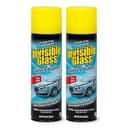
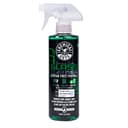
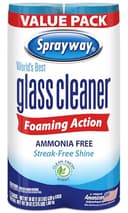
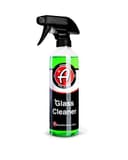
The delivery method changes how you work more than the cleaning power does. A fine aerosol mist like the Invisible Glass covers fast and evenly, which is great on exterior glass but means overspray if you point it at interior glass with the dashboard right there. A foaming aerosol like Sprayway clings to vertical glass so it does not run off before you wipe, which many detailers love for windshields. A trigger spray like the Chemical Guys or Adam’s gives you the most control, and control is exactly what you want inside the car, where the move is to spray the towel, not the glass. There is no wrong answer here — it is about where you do most of your cleaning.
3. Does it cut bonded film, or just fingerprints?
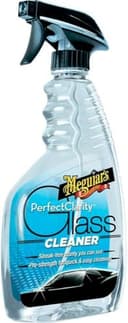
Most glass grime is light: dust, fingerprints, the haze that off-gasses from a hot dashboard onto the inside of the windshield. Any decent cleaner handles that. What separates them is the bonded filma windshield picks up over years — road grime, wiper residue, and a stubborn haze that a normal cleaner smears around rather than removes. Meguiar’s Perfect Clarity is the pick built specifically to cut that, and it is the one to reach for if your windshield glares at night no matter how many times you wipe it. If even a dedicated glass cleaner will not clear it, the film may be bonded contamination that needs claying — the same decontamination step you would use on paint, covered in our clay bar guide.
4. Tint- and coating-safe if your glass is treated
If your windows are tinted or you have applied a glass sealant or ceramic coating to them, stay away from anything harsh. Ammonia-free is the baseline, and cleaners like Adam’s that are explicitly friendly to coated glass are the safe call. A rain-repellent glass treatment is a genuinely worthwhile upgrade for a windshield, and it pairs naturally with the same ceramic spraysyou would use on paint — just keep an aggressive cleaner off it. If you are choosing between the two names everyone knows, we compare them directly in Rain-X vs Aquapel.
The technique that actually gets streak-free glass
Here is the part most people skip, and it matters more than which bottle you buy. Streaks come from three things: a dirty towel, too much product, and heat. Fix those and almost any ammonia-free cleaner gives clear glass.
- Use two clean microfiber towels.One to clean and spread, a second dry one to buff. The buffing towel is what removes the last film, and it has to be clean and dry — a towel with old cleaner or wax in it is the number-one cause of streaks.
- Spray the towel, not the glass, indoors. This keeps overspray off the dashboard, screens, and trim, and it stops you from using far too much product, which is the second cause of streaks.
- Work in the shade on cool glass. On hot glass in the sun, the cleaner flashes off before you can wipe it, and it dries as a haze. Move to the shade or do glass first before the car heats up.
- Do the inside of the windshield last, and change your wipe direction. Wipe the inside horizontally and the outside vertically (or vice versa) so that when you spot a streak later, you instantly know which side it is on.
We walk through the whole routine, including the awkward inside-of-the- windshield reach, in how to clean car glass without streaks. It is worth reading once; the habits stick after that.
What a glass cleaner won’t fix
A glass cleaner removes film. It does not remove hard water spots — the etched mineral rings from sprinklers or hard-water rinsing — which are mineral deposits bonded to the glass and need a dedicated water-spot remover or a light polish. It also will not stop water spots from coming back; that is what a windshield rain repellent does. And it is not a substitute for good wiper blades: if your glass smears in the rain, cracked wipers are usually the culprit, not the cleaner. Get the glass truly clean once, protect it if you like, and then a quick wipe keeps it that way. When you are doing a full car, glass comes near the end, after the paint and wheels are done — see where it fits in our interior cleaning routine.