How to choose a paint sealant
1. Durability is the reason you are here
If durability were not the point, you would buy a wax — it is easier and looks warmer. Judge a sealant on how long it keeps water beading tightly through repeated washes and weather. Makers publish durability claims that are optimistic by nature, so the useful habit is to stop counting months and start reading the paint: when water goes from tight beads to flat sheets that cling, protection is failing. Our how often to wax guide covers that test in full.
2. Prep decides how long it lasts
A sealant bonds to the clear coat, so anything between the two shortens its life. That means a proper wash, chemical decontamination and claybefore the bottle comes out. Skipping decontamination is the single most common reason a sealant “did not last” — it did not fail, it never bonded properly in the first place. The full sequence is in our decontamination guide.
3. Thin coats, and the layering rule
Every sealant here goes on thin. A heavy coat does not protect better; it wastes product and turns removal into a chore. If you want to layer, respect the cure time the maker states — usually somewhere between a couple of hours and overnight — because a second coat applied over an uncured first one just dissolves it. Sealant first, wax on top if you want the carnauba look, never the other way round: a sealant cannot bond through a layer of wax.
4. Liquid or paste
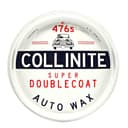
Liquids are faster and more forgiving, which is why most of this page is liquid. The paste option here earns its place on durability — the traditional carnauba-and-polymer blends are the products people reach for before a hard winter, and they take real effort to apply thinly and buff off. If you want maximum life and do not mind the work, that is the trade.
Sealant, wax or coating — which do you actually need?
Take a wax if you enjoy the process, want the warmest look, and do not mind reapplying every couple of months. Take a sealant if you want to protect the car properly and think about it two or three times a year. Take a ceramic coatingif you are willing to spend a day on preparation, follow a careful application, and want years rather than months — and read our honest take on whether to apply one yourself before you buy.
The comparison is laid out in full in our wax vs sealant vs ceramic coating guide. The short version: for most people with a car parked outdoors, a sealant twice a year and a spray wax between washes is the best protection-per-hour available.
Applying a sealant, step by step
- Wash and dry the car properly — a two-bucket wash, then decontaminate.
- Work in the shade on cool paint. Sealants flash off quickly in direct sun, which makes removal much harder. (Sun is also the reason to choose a sealant over a wax in the first place — protecting paint from UV ranks the three options.)
- Apply a thin, even coat with a foam or microfiber applicator pad, one or two panels at a time.
- Let it haze for the time the maker states, then buff off with a clean plush microfiber towel, turning to a fresh face often.
- Leave it to cure before the car gets wet — most makers ask for several hours at minimum, and a coat that gets rained on while curing will not last as intended.