How to build an interior kit that does not overlap
1. Buy by surface, not by brand
The quickest way to waste money on interior products is to buy a brand’s full line. Four bottles from one maker will share most of their chemistry and leave the same two gaps every time: nothing strong enough for a greasy steering wheel, and nothing designed for fabric. Buying one product per surface from whoever makes the best version of it costs less and covers more.
The surfaces, in the order they get dirty: hard plastic and vinyl (dashboard, door cards, console), cloth and carpet, leather, glass, and the crevices that hold most of the visible dirt. Everything else is a variation. A headliner is cloth you must not soak. A touchscreen is glass you must not spray directly.
2. The dilution argument, which is the whole cost story
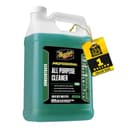
A gallon of all-purpose cleaner concentrate looks like the expensive option on the shelf and is by far the cheapest in use. Diluted weak it cleans plastics; diluted strong it strips a wheel well. Buying that range as four different ready-to-use bottles costs several times more for the same chemistry plus water and shipping.
The catch is that a concentrate needs you to think. Neat APC on a dashboard is the classic error — it is a degreaser, and the vinyl and the UV inhibitors in it do not benefit from being degreased. If that sounds like a decision you do not want to make on every job, stay with the ready-to-use interior cleaner and keep the concentrate for wheel wells, floor mats and engine bays. Our APC versus a dedicated interior cleaner guide covers exactly where that line falls, and the APC roundup has more options than the one above.
3. Cloth and leather are not interchangeable, and this is the expensive mistake
Leather in most modern cars is coated — there is a clear protective layer over the hide, and your job is cleaning that layer, not feeding the leather beneath it. A fabric cleaner on leather attacks the coating. A leather conditioner on cloth leaves an oily patch that attracts dirt and will not wash out.
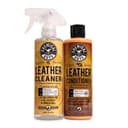
Two steps are the honest way to do leather: a cleaner that lifts body oils and denim dye, then a conditioner that restores the surface feel. One bottle claiming to do both does one of them properly. We go into the routine in how to clean leather car seats, and the leather roundup compares more kits. For cloth, the ready-to-use foaming cleaners win on the thing that actually goes wrong — over-wetting — because there is no dilution to guess at.
4. Interior glass is a different job from exterior glass
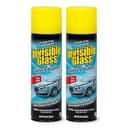
The inside of a windshield collects an oily film from plasticisers off-gassing out of the dashboard, and it is the surface most likely to ruin an otherwise good interior detail, because it only shows when the sun is low. Use an ammonia-free cleaner: ammonia attacks tint film and dries out rubber seals, and almost every car on the road has at least a factory tint band.
Spray the towel, never the glass. Aerosol mist inside a car settles on the dashboard and leaves streaks you then have to chase. How to clean car glass without streaks has the two-towel method that makes this reliable rather than lucky.
5. Brushes and a vacuum do more than any bottle
Interior detailing is mechanical work. A brush agitating a vent, a seam or a textured door card moves dirt that no spray will dissolve on its own, and a vacuum with the right nozzle removes it rather than pushing it somewhere else. If your interior looks tired despite good products, the missing step is almost always agitation.
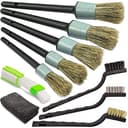
A ten-piece boar’s-hair set covers everything from a vent slat to a floor mat for very little money, and the brush roundup compares the alternatives. Pair it with a vacuum that reaches — our vacuum picks and, if there is a dog involved, the pet-hair setup.
6. Protection, and the matte-versus-shiny question
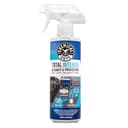
A dedicated UV protectant is the one genuine extra worth adding once the basics are covered. Sun is what cracks a dashboard, and a matte protectant leaves a factory finish rather than the glossy look that reflects into the windshield and reads as cheap. The all-surface cleaner above includes a light protectant, which is enough for a car that lives in a garage and not enough for one parked outside in a hot climate.
Work top down — headliner, then dash and doors, then seats, then carpet — so falling dust lands on surfaces you have not cleaned yet. How to clean a car interior puts the whole sequence in order, and the interior kit page is the one-box alternative if you would rather not assemble this yourself.