How to choose a wax for black paint
1. Black does not need a different wax — it needs a different order
There is nothing about carnauba or a synthetic sealant that behaves differently on black paint. What differs is the tolerance for defects. On silver, fine swirls scatter light into a color that is already bright, so you never see them. On black there is no bright base to hide in, so the same swirls read as a dull gray film. Any product that improves a black car is therefore working on the defects first and the protection second. Buy in that order and the result looks like a different car; buy a wax alone and you will wax a hazy panel into a slightly shinier hazy panel.
2. Filling versus correcting — know which one you bought
This is the single most important distinction on this page. Filling means the product deposits oils, polymers or pigment into the fine scratches so light stops catching their edges. The car looks genuinely better within minutes, by hand, with no machine. It is also temporary: as the layer wears and washes off over weeks, the marks reappear because they were never removed. Correcting means abrasives actually level a little clear coat until the scratch is gone, which is permanent but takes a machine, pads and time. Most “black car wax” products fill. That is not dishonest — it is a legitimate and popular trade — but a filler marketed as a repair is where buyers get burned. If the swirls need to be gone for good, that is a job for a polishing compound and a dual-action polisher, and our guide on removing swirl markswalks through what that actually involves. Which compound to reach for on dark paint specifically — sorted on how cleanly each one finishes rather than how hard it cuts — is in best polishing compounds for black cars.
3. What the black pigment in a “black car wax” really does
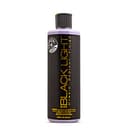
Two picks here state that they contain black pigmented carnauba. The pigment is a tinted filler: it settles into fine scratches and micro-texture, and because it matches the paint it disguises them better than a clear filler would. It does not dye your paint, it will not fix a scratch through to the primer, and it washes out over time along with the wax carrying it. Used honestly it is a very effective cosmetic tool on a daily-driven car. Used as a substitute for correction on a car you care about, it just delays the real work. One practical note: keep pigmented products off unpainted textured trim and off light-colored surrounds, and wipe any overspray before it dries.
4. Depth versus durability — you generally pick one
Carnauba produces the warm, wet look people associate with a show-condition black car, and it lasts weeks. Synthetic sealants and ceramic-style polymers last months but tend to look sharper and cooler, which some people read as flatter on dark paint. There is no correct answer, only a trade: if the car lives outside and you wax it twice a year, protection wins and a paint sealant or ceramic coating is the better buy. If it is a weekend car and you enjoy the process, carnauba over a glaze looks better than anything else on this list. Our carnauba vs ceramic comparison works through the trade in more detail, and the general best car wax roundup covers the all-color options this page deliberately leaves out.
5. On black paint, your towels matter more than your wax
This is not a throwaway line. The overwhelming majority of swirls on a daily-driven black car were put there by the owner, during washing and drying, with a dirty or cheap towel. A premium wax applied with a gritty towel is a net loss. Before spending on any product here, make sure the wash is safe: a two-bucket wash with a grit guard, a clean wash mitt, and plush microfiber towels that are retired the moment they touch the ground. On black, use a fresh towel side per panel rather than working one towel around the whole car.
The two-step routine that makes black paint look right
Wash and decontaminate first. Any glaze or wax applied over bonded contamination locks it in. Wash, then run a clay bar across the paint; if it drags, the surface is not ready. This step alone makes a surprising visual difference on dark paint because bonded fallout is part of what makes it feel rough and look dull.
Then glaze, then wax. Apply the glaze or pre-wax polish thin and even, let it haze as the maker directs, and buff it off with a clean towel. The panel should already look deeper before you touch a wax. Then apply the wax — thinner than you think, because a thick coat is harder to remove and adds nothing — let it cure, and buff. If you are using a one-step pigmented product instead, it does both jobs in that single pass, which is the whole point of it.
Maintain between details. Black loses its look faster than any other color, which is why the spray pick exists. A quick top-up after each wash keeps the depth up without another full session. Just keep the towels clean: a spray wax buffed with a contaminated towel is one of the fastest ways to put new marks into black paint.
Where wax will not save a black car
Deep scratches. If you can catch a fingernail in it, no wax, glaze or pigment will hide it for long. That is a scratch repair job, and sometimes a body shop one.
Hologramming and buffer trails. These come from a rotary used badly, and they are the most visible defect of all on black. Filling reduces them; only a proper finishing polish removes them.
Oxidized single-stage paint. An older black car with chalky, fading paint needs the dead layer cut back before anything else, and a glaze over oxidation is a wasted afternoon.
Water spots that have etched in. Dark paint parked in sun after a rinse is the classic cause. If the mark stays visible when the panel is wet, it has etched and needs a water spot remover or polishing, not wax.
Get the wash right, take the extra glaze step, and use a wax that suits how often you are actually willing to do this. Black paint is high-maintenance, but the payoff is a finish no other color can match — and none of it depends on buying the most expensive bottle on the shelf.