TWO BUCKET CLUB

Best Wax for White Cars (2026)

White paint hides swirls and shows everything else. The products that keep white looking clean rather than dull — decontamination first, then a non-yellowing synthetic that resists staining instead of a filler that hides it.

By Stephen V.Last updated How we pick

White is the easiest color to keep looking good and the hardest to keep looking clean. It is the opposite problem to black paint: fine swirls scatter light into a surface that is already bright, so the wash-induced marks that ruin a dark car are close to invisible on white. What you see instead is contamination — the rust-colored speckling of iron fallout, the flat gray film that builds along the lower panels, water spots that stand out against a light background, and the faint yellow cast that white paint picks up over years.

That changes what a good product for white paint has to do. On black, the winning move is a glaze that fills and disguises. On white, filling buys you almost nothing, because there is nothing visible to fill. The winning move is remove the contamination, then seal the surface so it takes longer to come back. A slick, well-sealed white panel stays white because dirt releases from it on the next wash instead of bonding to it.

There is one more wrinkle worth knowing before you buy. Traditional carnauba waxes add warmth — a slightly amber cast that looks wonderful on dark paint and, on a bright white, can read as very slightly off-white. It is a subtle effect and plenty of people like it, but it is the reason five of the six picks below are synthetics. Live prices on every row.

How this is funded:we earn a commission if you buy through our links, at no extra cost to you. It never changes which product we recommend, and we’ll tell you plainly when we’d skip one. Full disclosure.

Quick picks

Ranked on published specs, value and buyer fit. Select a row to jump to the full write-up. We have not lab-tested these products — here is exactly what we do instead.

#ProductBest forPrice
1
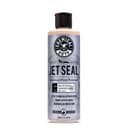
Chemical Guys JetSeal Anti-Corrosion Paint Sealant

Chemical Guys JetSeal Anti-Corrosion Paint Sealant

The sealant most people mean when they say sealant: a durable synthetic layer sold on corrosion protection as much as gloss, which is the honest reason to choose a sealant over a carnauba wax in the first place.

Best overall
$39.99View on Amazon

Price as of September 17, 2026. #ad How we’re funded

2
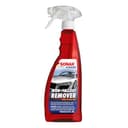
Sonax Iron + Fallout Remover

Sonax Iron + Fallout Remover

A fast-acting German fallout remover that many detailers rate as the best value in the category: it works quickly, color-changes clearly and comes in a large bottle, so the cost-per-decon is low even though it isn't the cheapest sticker price.

Best first step
$24.99View on Amazon

Price as of September 17, 2026. #ad How we’re funded

3
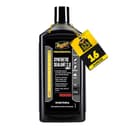
Meguiar's Professional M21 Synthetic Sealant 2.0

Meguiar's Professional M21 Synthetic Sealant 2.0

From Meguiar's professional line rather than the consumer shelf, which shows in how it behaves: a thin, even coat that wipes off cleanly and is designed to be layered, so a second coat an hour later is part of the plan rather than a mistake.

Best layerable synthetic
$23.93View on Amazon

Price as of September 17, 2026. #ad How we’re funded

4
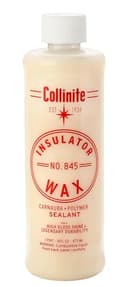
Collinite 845 Insulator Wax

Collinite 845 Insulator Wax

The durability champion of traditional waxes: a carnauba-plus-polymer liquid that routinely outlasts everything else in this class. It's a little fussier to apply thinly, but few waxes protect this long per coat.

Best long-haul durability
$20.95View on Amazon

Price as of September 17, 2026. #ad How we’re funded

5
CarPro Reload 2.0 Spray Sealant

CarPro Reload 2.0 Spray Sealant

The enthusiast's choice, and the one to reach for as a booster over an existing coating. A silica-and-siloxane spray with a reputation for slickness and beading that outlasts most of the category, provided you apply it to a genuinely clean surface so it can bond.

Best fast top-up
$39.99View on Amazon

Price as of September 17, 2026. #ad How we’re funded

6
Turtle Wax ICE Seal N Shine Hybrid Wax Sealant

Turtle Wax ICE Seal N Shine Hybrid Wax Sealant

A hybrid: carnauba for the look, sealant polymers for the staying power, in a spray-on wipe-off bottle that sits in the cheapest band on this page. The compromise is real but so is the value.

Best value
$15.52View on Amazon

Price as of September 17, 2026. #ad How we’re funded

The picks in full

#1Best overall

Chemical Guys JetSeal Anti-Corrosion Paint Sealant

The sealant most people mean when they say sealant: a durable synthetic layer sold on corrosion protection as much as gloss, which is the honest reason to choose a sealant over a carnauba wax in the first place.

What we like

  • Positioned around anti-corrosion protection, not just shine
  • Synthetic chemistry lasts longer than carnauba between applications
  • Works on paint, wheels and metal trim

Trade-offs

  • Gloss is clean and sharp rather than the warm carnauba look
  • Needs decontaminated paint to bond properly - clay first
TypeSynthetic paint sealant
Standout specAnti-corrosion synthetic sealant
Size16 oz
Best forLong-haul protection on a daily driver
Price tierMid

Specs read from the product listing, on August 18, 2026. “Not listed” means the listing does not state that figure.

#2Best first step

Sonax Iron + Fallout Remover

A fast-acting German fallout remover that many detailers rate as the best value in the category: it works quickly, color-changes clearly and comes in a large bottle, so the cost-per-decon is low even though it isn't the cheapest sticker price.

What we like

  • Works fast and dissolves embedded contamination clearly
  • Large bottle brings the cost-per-use down
  • Safe on paint, glass and most wheel finishes per label

Trade-offs

  • Strong odor like all iron removers — ventilate
  • Best on already-washed paint; it's a decon step, not a wash
TypeColor-changing iron & fallout remover
Standout specFast-acting; large-bottle value
Size750 mL
Best forBest value — a big bottle of a fast, effective remover
Price tierMid

Cost-to-use note. The larger bottle covers a lot of decon work, which is what makes it a value pick despite the mid sticker price.

Specs read from the product listing, on August 7, 2026. “Not listed” means the listing does not state that figure.

#3Best layerable synthetic

Meguiar's Professional M21 Synthetic Sealant 2.0

From Meguiar's professional line rather than the consumer shelf, which shows in how it behaves: a thin, even coat that wipes off cleanly and is designed to be layered, so a second coat an hour later is part of the plan rather than a mistake.

What we like

  • Professional-line product designed to be layered
  • Wipes off cleanly without the dusting cheap sealants cause
  • Ideal base coat under a carnauba topper for depth plus durability

Trade-offs

  • Body-shop-safe formulations are unremarkable on gloss alone
  • Priced above consumer-line sealants of the same size
TypeSynthetic paint sealant
Standout specLayerable professional-line sealant
Size16 oz
Best forLayering a durable base under a wax
Price tierMid

Specs read from the product listing, on August 18, 2026. “Not listed” means the listing does not state that figure.

#4Best long-haul durability

Collinite 845 Insulator Wax

The durability champion of traditional waxes: a carnauba-plus-polymer liquid that routinely outlasts everything else in this class. It's a little fussier to apply thinly, but few waxes protect this long per coat.

What we like

  • Outstanding durability for a wax — months of real protection
  • Excellent value; a bottle lasts years of occasional use
  • Great on daily drivers that live outside

Trade-offs

  • Must be applied in very thin coats or it's hard to buff off
  • Old-school application feel; less beginner-forgiving
TypeCarnauba + polymer liquid wax
Standout specLong-durability formula
Size16 oz
Best forLongest-lasting protection from a traditional wax
Price tierBudget

Cost-to-use note. Very thin coats are essential; a single bottle can last for years, giving it excellent cost-per-application.

Specs read from the product listing, on July 19, 2026. “Not listed” means the listing does not state that figure.

#5Best fast top-up

CarPro Reload 2.0 Spray Sealant

The enthusiast's choice, and the one to reach for as a booster over an existing coating. A silica-and-siloxane spray with a reputation for slickness and beading that outlasts most of the category, provided you apply it to a genuinely clean surface so it can bond.

What we like

  • Excellent slickness and durable beading for a spray
  • A well-regarded booster over an existing ceramic coating
  • A little goes a long way per application

Trade-offs

  • Needs a spotless, decontaminated surface to bond properly
  • Premium price per bottle
  • Not a substitute for a full coating on bare paint
TypeSilica + siloxane SiO2 spray sealant
Standout specSilica + siloxane; strong coating topper
Size500 mL (17 oz)
Best forTopping up a real coating, or maintenance on well-prepped paint
Price tierPremium

Specs read from the product listing, on August 7, 2026. “Not listed” means the listing does not state that figure.

#6Best value

Turtle Wax ICE Seal N Shine Hybrid Wax Sealant

A hybrid: carnauba for the look, sealant polymers for the staying power, in a spray-on wipe-off bottle that sits in the cheapest band on this page. The compromise is real but so is the value.

What we like

  • Spray on, wipe off with a microfiber - no applicator pad and no cure window to manage
  • Hybrid carnauba-plus-sealant look sits between the two categories
  • Stated safe on paint, glass, wheels and plastic trim, so there is nothing to tape off

Trade-offs

  • A hybrid does not match a dedicated sealant on longevity
  • Turtle Wax's own claim is that it lasts for months, with no figure you can hold it to
TypeHybrid carnauba/sealant
Standout specCarnauba-sealant hybrid
Size16 oz
Best forThe cheapest way into sealant-grade durability
Price tierBudget

Specs read from the product listing, on September 5, 2026. “Not listed” means the listing does not state that figure.

How to choose protection for white paint

1. The rust specks are not rust, and wax will not fix them

The single most common complaint about a white car is tiny orange-brown dots scattered across the horizontal panels, most visible on the trunk and roof. That is iron fallout: microscopic hot metal particles from brake dust and rail or industrial traffic that land on the paint, embed in the clear coat and then oxidize in place. They are far more visible on white than on any other color, which is why white owners notice them first and assume their paint is failing.

No wax removes them, and waxing over them seals them in. They need a chemical iron remover, which is why one sits at row two here rather than on a different page — on white paint it is not an optional extra step, it is the step that produces the visible result. It turns purple as it dissolves the particles, so you can see it working. Our guide on what iron fallout actually is explains the mechanism, and decontaminating paint covers the full chemical-then-mechanical sequence.

2. Synthetic over carnauba, for a reason that is about color

Carnauba is a natural wax and it is not water-white — it carries a warm tone that is part of why dark paint looks so deep under it. On white and very light silver that warmth has nowhere to hide, and over multiple layers some people see it as a faint cream tint. Synthetic sealants are optically clearer and read as crisp rather than warm.

This is a preference rather than a defect, and it is small. But combined with the fact that synthetics last months rather than weeks, it makes the choice easy for most white cars: buy the sealant. The one carnauba on this page, Collinite 845, is here because it is a carnauba-plus-polymer blend with outstanding durability, and because it is the pick for a white car that lives outside year-round and gets waxed twice. If you want the full category, the paint sealant roundup compares these against the rest, and wax versus sealant versus coating explains the three tiers properly.

3. Traffic film: the gray line along the bottom of the doors

Every white car develops a dull gray band along the rockers, lower doors and behind the wheels. It is road film — a mix of tire rubber, brake dust, oil and diesel soot bonded on by heat and time — and it is the thing that makes a white car look old more than any other single factor. It responds to two things: a properly lubricated contact wash that lifts it rather than polishing it in, and a sealed surface that stops it keying to the clear coat in the first place.

Practically, that means the wash method matters more on white than the wax does. A two-bucket wash with a plush mitt and a pH-neutral soap removes film without grinding it in. Once the car is sealed, the same film wipes off the following month with far less effort, which is the compounding benefit people mean when they say protection makes washing easier.

4. Water spots show more on white than you expect

This is counter-intuitive — you would think a light surface hides a light mineral deposit. It does, right up until the deposit etches. Once a spot has etched into the clear coat it scatters light, and on a bright panel that reads as a dull ring. White cars also tend to get washed less often precisely because they look clean, so spots sit longer and etch deeper. A sealed surface buys you time here: water beads and rolls off rather than sheeting out and drying in place. If spots have already set in, the water spot remover roundup is the fix, and drying without water spots is how you stop causing them.

5. Does white paint really yellow?

Non-metallic solid white can develop a faint yellow cast over many years, and the cause is oxidation of the clear coat under UV rather than the white pigment itself changing. It is slow, it mostly affects older single-stage and neglected clear coats, and it is not something a wax prevents in any dramatic way. What protection genuinely does is slow UV exposure at the surface and keep contamination from sitting on the paint for months at a time. If a car has already gone dull and slightly yellow, that is a correction job — a compound removes the oxidized top layer, and only then is there any point sealing it.

6. Would a ceramic coating be better?

For a white daily driver, honestly, yes — more than for most colors. The entire problem with white is contamination bonding to the surface, and a coating’s main practical benefit is that contamination releases more easily. The catch is the same as always: a coating locks in whatever condition the paint is in, so the decontamination above is not optional before you coat, it is a prerequisite. Start with the coating roundup, or the graphene comparison if you want to know whether that particular premium is worth paying. For most people the sealant at the top of this page is the sensible first move, and the coating is next year’s project.
Frequently asked questions

What is the best wax for a white car?

A synthetic paint sealant rather than a carnauba wax. Sealants are optically clearer, so they do not add the faint warm cast carnauba can leave on bright white, and they last months rather than weeks. Our overall pick is Chemical Guys JetSeal, but the more important step on a white car is the iron-fallout decontamination that comes before it.

Why does my white car have little orange dots?

That is iron fallout — microscopic metal particles from brake dust and industrial sources that embed in the clear coat and rust in place. It is normal, it happens to every color, and white simply shows it. A chemical iron remover dissolves it; no wax, polish or pressure wash will.

Does carnauba wax yellow a white car?

It does not stain or dye the paint. Carnauba is warm-toned rather than water-clear, so on a bright white some people perceive a very slight cream cast, particularly after several layers. It washes off with the wax. If it bothers you, use a synthetic sealant instead — that is the main reason most of our picks here are synthetics.

How often should I wax a white car?

It depends on the product, not the color. A synthetic sealant realistically lasts several months, a hybrid closer to two or three, and a carnauba weeks. White cars do benefit from a faster top-up rhythm though, because the real enemy is contamination bonding to the surface, and a fresh slick layer is what keeps it releasing on wash day.

Do I need to clay a white car before waxing?

Yes, and ideally after an iron remover rather than instead of one. Chemical decontamination dissolves embedded iron; claying pulls off the bonded contamination that is left. Sealing over either one traps it. On white paint this is the sequence that produces the visible improvement — the sealant just keeps it that way.

Is white paint easier to maintain than black?

Much easier, and this is the real advantage of owning one. Wash-induced swirl marks are the hardest defect to avoid and the most expensive to correct, and they are nearly invisible on white. You trade that for contamination showing more, which is a cleaning problem rather than a paint-correction problem — far cheaper and far less risky to fix.

Sources

Keep reading