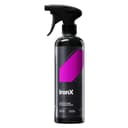
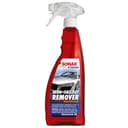
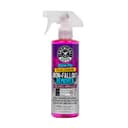
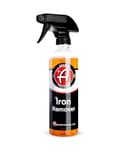
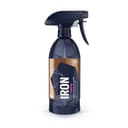
How to choose an iron remover
Every iron remover works on the same principle, but a few real differences decide which one fits your routine. Judge them on these.
1. Acid-free and pH-balanced
The removers worth buying are acid-free and pH-balanced, which is what makes them safe to use on paint, glass and delicate or coated wheels. Older acidic wheel acids cut fast but can etch finishes and damage bare metals, so for whole-car decon you want the gentler chemistry. Every pick here is acid-free; always still work in the shade on a cool, rinsed surface and rinse thoroughly.
2. Paint-only or double as a wheel cleaner?
Wheels collect far more iron than paint does, so some removers are built to pull double duty as a wheel cleaneras well. If you want one bottle for both jobs, a do-both product is the economical pick. If you’re specifically prepping paint for a coating, a dedicated paint remover is the cleaner choice. Either way the color-change tells you when it’s done reacting.
3. Bottle size and cost-per-use
You spray, dwell and rinse rather than scrub, so coverage is efficient — but a bigger bottle still lowers the real cost of decontaminating a whole car, especially the heavily-fouled wheels. The best value here isn’t always the lowest sticker price; a large bottle of a fast remover often works out cheaper per decon than a small premium one.
4. The smell, and where you use it
There’s no getting around it: iron removers give off a strong sulfur smell as they react — that’s the chemistry doing its job. Use them outdoors or in a well-ventilated space, wear gloves, and keep them off hot panels in direct sun so they don’t flash-dry. None of the differences in scent are worth choosing a product over; the handling is the same for all of them.
Where iron removal fits in a decon
A full decontamination is a short sequence, and order matters. First wash and rinse so the remover works on the bonded contamination rather than loose dirt. Then spray on the iron remover, let it dwell and change color, and rinse. Then claythe paint to shear off the non-metallic bonded grime the chemical couldn’t dissolve. Because you removed the metallic particles chemically first, the clay has far less to drag across the paint, which reduces the marring clay can cause. The full walkthrough is in our decontamination guide, and the iron remover vs clay bar comparison explains why you generally want both.
Decontaminated paint feels like glass and lets wax, sealant or a coating bond properly — so always follow a decon with protection, since you’ve left the paint bare.