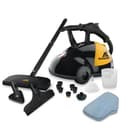
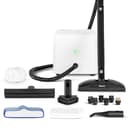
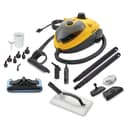
How to choose a steam cleaner for car detailing
1. Runtime decides whether you finish the job
A car interior takes a while, and a small handheld tank that runs for a few minutes means a cycle of stopping, waiting for the unit to cool, refilling and waiting for it to heat again. That is the single most common complaint about cheap steamers, and it is why a canister machine with a stated runtime is worth the money if you are doing a whole interior in one session.
2. Canister or handheld
Canistermachines have a larger boiler, longer runtime and a hose with interchangeable tools — the format most professional interior work uses. Handheld units are cheaper, lighter and fine for spot work: a stain on one seat, the vents, a door card. Several handhelds are detachable parts of floor steamers, which is a reasonable way to justify the purchase if you will also use it in the house.
3. Attachments matter more than power
Cars are full of small, awkward areas. The tools that get used are the narrow jet nozzle, the small round detail brush and the triangular upholstery head with a microfiber bonnet. A machine with eighteen accessories aimed at floors and windows may include only one that fits a vent. Check the tool list before the wattage.
4. Dry steam versus wet steam
The useful property is low moisture content. Steam that arrives wet soaks fabric, which takes days to dry in a closed car and is how interiors end up smelling worse than they started. Machines that run hotter and deliver drier steam clean with far less water. If a listing does not state moisture content — and most do not — the practical workaround is to use short bursts and immediately wipe with a microfiber that carries the released grime away.
What steam is genuinely good at
- Vents and seams. Heat plus a narrow nozzle clears dust packed into slats that a brush only redistributes.
- Cloth seats and carpets. Especially organic stains and odor sources (and the products that treat each one), where heat breaks the residue down rather than masking it.
- Textured plastics. Grime pressed into a grain pattern comes out with steam and a soft brush without scrubbing the finish.
- Cup holders, switchgear and door shuts. The sticky places a wipe cannot fix.
- Sanitizing without chemicals— useful for a car with kids or pets in it every day.
Where steam will damage a car
This is the part most product pages leave out. Keep steam away from: infotainment screens and gauge clusters, where heat and moisture can get behind a bezel or damage a coating; any electrical connector, switch panel or airbag module; headliners, where the adhesive can release and leave a permanent sag; and leather, which does not need it — use a dedicated leather cleaner instead. Never hold steam on one spot on a plastic trim piece; keep it moving.
Outside the cabin, steam is not a paint tool. It will not decontaminate, correct or protect, and hot steam on cold glass is a genuine cracking risk on a chipped windshield.
Do you actually need one?
If you detail one car a few times a year and the interior is in reasonable condition — no. Spend the money on a good vacuum, an APC and brushes, and follow the routine in our interior cleaning guide. If you have kids, pets, a smoker’s car, stubborn odors, or you clean interiors for other people, a steamer earns its place quickly — and the difference in the vents alone is visible from the driver’s seat.
Owning the machine is the easy part. The order of work, the tool for each surface and the places to keep steam away from are in how to steam clean a car interior.
And know the limit before you buy, because it is the one thing the category does not advertise: steam loosens soil but does not extract it, which is a real problem on deep carpet and heavily soiled cloth. Steam cleaner vs carpet extractor sets the two machines side by side, and best car detailing tools places the steamer in the order we would buy tools in.