How Often Should You Wash Your Car?
About every two weeks is the number AAA publishes, and it is a good default. What matters more is what your car is exposed to between washes — and whether washing more often is safe, which depends entirely on how you wash.
How this is funded:we earn a commission if you buy through our links, at no extra cost to you. It never changes which product we recommend, and we’ll tell you plainly when we’d skip one. Full disclosure.
The number, and where it comes from
AAA’s published guidance is the most useful starting point, because it is a consumer organization with no soap to sell: “Industry experts recommend washing your car about every two weeks as part of its general maintenance schedule.”
Two weeks is a sensible default and you can stop reading there if you want one. But the interval is really a proxy for something else, which is how long contamination is allowed to sit on your paint before it gets removed. Everything that follows is about adjusting the number to your actual conditions rather than an average car in an average driveway.
What actually sets your interval
Where the car parks
Parking does more to the schedule than driving does. Under a tree means sap and bird droppings, and AAA is explicit that bird droppings, dead bugs and tree sap are highly acidic and can damage paint if left too long. Those are not wash-day items — they are same-day items. Keep a waterless wash and a couple of microfiber towels in the trunk and deal with them when you see them.
A garage roughly halves the requirement. Street parking under street lights, near a rail line, or beside heavy traffic roughly doubles it, because that is where iron fallout comes from.
Salt: the one that is not cosmetic
AAA notes that in areas with salt exposure — coastal air or winter roads — it is crucial to wash more often, because salt affects the paint’s color and shine and accelerates rusting. Its road-salt research puts a figure on the interval: at least every two weeks through salt season, with the underside as the priority rather than the paint.
This is the only part of the schedule where skipping washes costs real money rather than appearance. Corrosion is typically excluded from insurance, and it starts in the places you cannot see. We cover the method in how to wash a car in winter and the hardware in the undercarriage cleaner roundup.
Climate and season
Hot sun accelerates everything: bug residue bakes on within a day, sap hardens, and water spots etch faster because the water evaporates before you get to it. Summer generally wants the tighter end of the interval. Cold, dry, garaged winters in regions that do not salt are the one case where a month between washes is genuinely fine.
Whether the car is protected
A waxed, sealed or coated car does not get dirty more slowly, but the dirt sits on a sacrificial layer rather than bonding to clear coat, and it releases far more easily at the next wash. AAA’s companion recommendation is waxing twice a year. That is a reasonable floor for a synthetic sealant; our waxing frequency guide goes through what each product class realistically lasts.
The much more important question: how, not how often
Here is the part most articles skip. Washing frequently is only good for a car if the wash itself is safe. Almost all of the fine scratching on a few-year-old car is self-inflicted, put in during washing, when grit picked up by a mitt or towel gets dragged across the paint. Wash a car weekly with a sponge and one bucket and you will do more visible damage than someone who washes monthly with a two-bucket setup.
So the real answer to “how often” is: as often as you like, provided each wash is a safe one. That means a pre-rinse or foam to lift loose grit before contact, a plush mitt rather than a sponge, a second bucket with a grit guard to rinse the mitt in, and a drying method that does not drag. If any of those is missing, wash less often and fix the method first.
A schedule that works for most people
- Every two weeks: a full wash — pre-soak, two-bucket contact wash, dry.
- Mid-week, as needed: a rinseless or waterless wipe for light dust, or a spot-clean of anything acidic.
- Weekly, in salt season: an underside flush even if the paint does not need it.
- Twice a year, minimum: protection renewed, so each wash keeps getting easier.
- Immediately: bird droppings, bug splatter and tree sap, regardless of where you are in the cycle.
What makes a tighter schedule practical
The reason people wash less often than they mean to is friction — time, weather, and not having a hose. These three picks remove most of it, and each one follows directly from a section above rather than being a generic recommendation.
Three things that make washing often realistic
For the mid-week wash
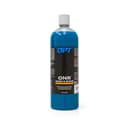
Optimum No Rinse Wash & Shine (Version 5)
One capful in a bucket replaces the hose, the foam and the rinse, so a light wash fits into twenty minutes and works in an apartment lot. Rated by its maker for paint, coatings and glass, and it doubles as a clay lubricant.
$27.60View on AmazonPrice as of September 17, 2026. #ad How we’re funded

What makes frequency safe
Chemical Guys Chenille Microfiber Wash Mitt
Washing often is only good for paint if each wash is safe. Deep chenille noodles lift grit up and away from the surface instead of grinding it back in the way a flat sponge does — the cheapest upgrade to a safer wash after the second bucket itself.
Makes every wash do more
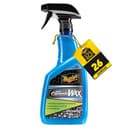
Meguiar's Hybrid Ceramic Wax (Spray)
Spray onto the wet car after washing and rinse it off — no panel-by-panel wiping. Protection is what makes dirt release easily next time, and this is the lowest-effort way to keep a layer on the paint between proper waxing sessions.
Signs you are washing too rarely
Independent of any schedule, the car will tell you. Paint that feels gritty rather than glassy when you run a clean hand over it has bonded contamination and needs decontaminating, not just washing. Water that lies in flat sheets instead of beading means the protection has gone. Rust-colored specks on light paint mean iron fallout has had time to embed. A gray band along the lower doors means road film has started to key into the clear coat.
None of those is fixed by washing more often from here — they need one decontamination session first. After that, a two-week rhythm keeps them from coming back, which is the entire point of having a schedule at all.
Frequently asked questions
How often should you wash your car?
AAA's published guidance is that industry experts recommend washing about every two weeks as part of general maintenance. Wash more often in salt season, near the coast, or if the car parks under trees or birds. Wash less often if it lives in a garage and is driven rarely.
Can you wash your car too often?
Not chemically — a pH-neutral shampoo does not wear paint out. What causes damage is bad technique repeated often. A weekly wash with a sponge, one bucket and a dirty towel will put in far more swirl marks than a monthly wash done properly. Frequency is only safe in proportion to method.
How often should you wash your car in winter?
More often than in summer — AAA notes that salt exposure means washing more frequently, and its road-salt guidance is to wash at least every two weeks through salt season. The priority shifts to flushing the underside and wheel wells, which is where salt does the expensive damage.
Do I need to wash my car if it is garaged?
Less often, but not never. A garaged car still collects dust that scratches when wiped dry, and anything already on the paint — bug residue, sap, fallout — keeps reacting whether the car is indoors or not. A monthly wash is usually plenty for a garaged, lightly driven car.
How long can bird droppings stay on a car?
As little time as possible. AAA lists bird droppings, dead bugs and tree sap as highly acidic and capable of damaging paint if left too long. In hot sun the damage can start within hours because heat accelerates the reaction and softens the clear coat. Spot-clean them the day you see them rather than waiting for wash day.
Does waxing let you wash your car less often?
It does not change how often the car gets dirty, but it changes how much that matters. Protection means contaminants sit on a sacrificial layer instead of the clear coat, and dirt releases more easily on the next wash. AAA's related recommendation is waxing twice a year, which is a sensible floor for a synthetic sealant.
Sources
- AAA (The Auto Club Group) — How Often Should You Wash Your Car? — AAA: "Industry experts recommend washing your car about every two weeks"; bird droppings, dead bugs and tree sap are highly acidic and damage paint if left too long; salt exposure means washing more often; waxing twice a year (accessed September 18, 2026)
- AAA (The Auto Club Group) — Winter Road Salt Can Cause Hidden, Costly Vehicle Damage — AAA on salt-accelerated undercarriage corrosion, insurance exclusion, and washing at least every two weeks (accessed August 31, 2026)
- Chemical Guys — Two Bucket Method Car Wash Guide — Manufacturer how-to on the two-bucket wash and grit guards (accessed July 19, 2026)
Keep reading
The Two-Bucket Method
The technique that decides whether washing often is good for your paint or bad for it.
Learn the methodHow Often to Wax Your Car
The other half of the schedule — and the step that makes each wash do more.
Read the guideHow to Wash a Car in Winter
When the interval tightens and the priority moves from the paint to the underside.
Read the winter guideBest Rinseless & Waterless Washes
How to fit a mid-week wash in when a full hose wash is not practical.
Compare rinseless washes