Who each pick is for
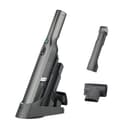
- Shark WANDVAC WV201— for the daily-driver owner who wants a two-minute tidy to be frictionless. At 1.4 lb with a charging dock and a detachable dust cup, it is the one that stays charged and gets used weekly.
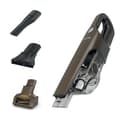
- Shark UltraCyclone Pet Pro+— for pet owners and anyone dealing with ground-in carpet debris rather than loose crumbs. The XL dust cup is the practical difference: fewer trips to the trash can mid-job.
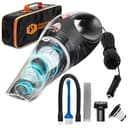
- ThisWorx 12V car vacuum— for someone who wants a vacuum in the trunk for under twenty-five dollars and does not care about cords. It plugs into the 12V socket, so run time is only limited by your patience. Our budget pick.
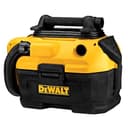
- DEWALT DCV581H— for anyone who also needs to pick up water: spilled drinks, a wet footwell, or the rinse after a carpet shampoo. Runs on a 20V MAX battery or corded, and it is sold as a bare tool.
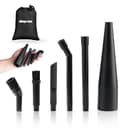
- Shop-Vac Micro Cleaning Nozzle Kit— for anyone who already owns a vacuum and cannot reach seat rails, vents or the gap between console and seat. Six pieces, under ten dollars, and it fixes the most common complaint about every vacuum on this page.
How to choose a handheld car vacuum
1. Cordless or 12V, and be honest about which you will tolerate
This is the whole decision. A cordless handheld has no cable to fight, works away from the car, and stops when the battery stops. A 12V plug-in never runs out and costs a fraction as much, but you are working around a cord that runs from the dash to wherever you are kneeling.
Our corded vs cordless car vacuum guide lays out the trade in full. The short version: cordless wins on how often you use it, corded wins on how long you can use it in one go. If the car lives on a street rather than in a garage, cordless is not a luxury — it is the only option that works.
2. Dust cup size decides whether you finish
Handheld dust cups are small by definition, and the failure mode is predictable: suction drops, you stop to empty it, and you do not come back. The UltraCyclone Pet Pro+ lists an XL dust cup; the WANDVAC’s cup is detachable, which is the other way to solve the same problem — emptying is a three-second operation instead of a mess. A 12V unit with a cord can run indefinitely but still has to be emptied just as often.
3. Nozzle reach matters more than raw power
Most of what a car vacuum has to reach is narrow: seat rails, the slot beside the center console, under the seat base, and the trough at the bottom of a door card. A wide floor head is useless in all four. The single best upgrade to any vacuum on this page is a micro nozzle set, which is why one is on the list at under ten dollars. If you own a shop vac, the same logic applies with a longer hose — see shop vac detailing setups.
4. Agitate before you vacuum
No handheld pulls bonded carpet fiber debris or embedded pet hair out on suction alone. The fix is mechanical: a brush loosens it and the vacuum then removes it. A drill brush is the cheap version of this and it is what we recommend on best car vacuums for pet hair. Anyone who concludes that handhelds have no suction is usually skipping this step.
What a handheld cannot do
It cannot replace a wet/dry vac for liquids.Running water through a dry-only handheld damages the motor. The DEWALT is on this page because it is the one pick that handles wet pickup, and if you are following a carpet shampoo or an extractor, that matters. The EPA’s mold guidance is the reason to care: wet material should be dried within 24 to 48 hours, and extracting the water is how you get there. See best carpet extractors for the machines that do that part properly.
It cannot deep-clean a neglected interior.A car that has not been vacuumed in two years needs a full reset, and a 4-gallon shop vac with agitation is the tool for that one day — the class is compared on its own at best wet/dry vacs for car detailing. A handheld keeps it from happening again, which is the more useful job.
It cannot fix a smell. Odor lives in the fabric and the cabin filter, not in the crumbs. Vacuuming is step one, but odor eliminators and the smell guide are where that problem actually gets solved.
How to vacuum a car interior properly
- Take the mats out first.Everything you vacuum off the mats in place goes under them. Do them separately — our floor mat guide covers rubber and carpet separately.
- Move the seats all the way forward, then all the way back. Two passes. The debris under a seat base is the stuff no one ever reaches.
- Agitate the carpet with a brush before you vacuum it. Short, firm strokes in one direction to stand the fibers up.
- Work top down. Headliner and seat backs before floors, so what you dislodge lands somewhere you have not cleaned yet.
- Use the crevice tool on the rails and the console gap, not the wide head. This is where the micro nozzle kit pays for itself.
- Empty the cup before it looks full. Suction falls off well before capacity, and a half-empty cup is why people think a handheld is weak.
- Finish with a cleaner, not more vacuuming.Dust that is stuck needs chemistry — see best car interior cleaners.
Our call
Buy the Shark WANDVAC if you want a vacuum you use every week. The dock is the feature. A cordless handheld that lives charged gets picked up; one that lives in a drawer does not.
Buy the UltraCyclone Pet Pro+ if you have a dog, kids, or carpet that has been neglected. The bigger cup and the cyclonic separation are the two things that let you finish the job in one pass.
Buy the ThisWorx if you want a vacuum in the car for the price of a bottle of soap. It is not as good and it is not pretending to be. It is also the only pick here that never runs out of power.
Add the micro nozzle kit regardless. Ten dollars, six pieces, and it is the difference between vacuuming the open floor and vacuuming the whole car.