How to Use a Detailing Brush
The brush is not a scrubber. It is a tool for loosening soil so something else can carry it away - which means how wet it is, which way you move it, and what sits underneath matter more than how hard you push.
How this is funded:we earn a commission if you buy through our links, at no extra cost to you. It never changes which product we recommend, and we’ll tell you plainly when we’d skip one. Full disclosure.
The short version
A detailing brush does one job: it breaks the bond between soil and surface in places a towel cannot flatten against. Vents, seams, switch surrounds, badge edges, grille slats, textured door cards, panel gaps, lug recesses.
It does not remove anything. Something else does that — a vacuum nozzle, a towel, a rinse. Once you hold that distinction, every rule below follows from it, and the single most common mistake stops being tempting: pressing harder does not help, because the brush was never the thing taking the dirt away.
The working method is four things. Dry first. Damp brush, not wet surface. One direction. Something underneath to catch what falls.
1. Dry first, always
Before any liquid touches the area, remove the loose material: vacuum with a crevice tool, or blow it out with compressed air or a blower.
The reason is not fussiness. Dust plus cleaner is mud, and mud in a textured vent louvre or a seat stitch line is dramatically harder to get out than dry dust was. People who skip this step spend the next ten minutes making the problem they came to solve worse, and then conclude that the brush does not work.
On an interior this is also the point where you discover what you are actually dealing with — dust, or something sticky that needs a cleaner and a dwell time. Our interior cleaning routine puts the whole sequence in order.
2. Spray the brush, never the surface
This is the rule that protects the car. Mist your diluted cleaner onto the bristles so the brush is damp — damp enough to feel wet when you squeeze it, dry enough not to drip when you shake it.
Spraying directly into a vent, a switch cluster, an instrument binnacle or a speaker grille puts liquid somewhere you cannot retrieve it from, and modern cars have electronics behind nearly every recess that looks like it wants cleaning. A damp brush carries exactly as much cleaner as the texture can absorb and no more.
It also protects the finish. Chemical Guys’ own engine bay guidance is built on the same principle of controlled application rather than hosing chemistry into places it can pool, and the logic transfers directly to an interior.
Dilution matters here. A concentrate at full strength will lift dye out of some fabrics and leave a dull patch on soft-touch plastics. Mix weaker than you think you need, test on a hidden area, and step up only if it fails. The APC versus dedicated interior cleaner comparison covers which surfaces want which.
3. One direction, short strokes
Scrubbing back and forth inside a recess shuttles the soil from one end of it to the other. Working in one direction with short, deliberate strokes moves the soil out of the recess and onto a surface you can wipe.
On vent louvres that means brushing along the louvre and out of the opening, not side to side between the slats. On a seat seam it means working along the seam in one direction. On a badge or an emblem it means working from the center outward.
Pressure: almost none. The bristle tip does the work, and a bristle bent flat against the surface is no longer agitating anything — it is just dragging. If you find yourself bearing down, the problem is upstream: either the cleaner is too weak for the soil, or you have not given it time to work. Spray, wait thirty seconds, then brush.
4. Catch what comes out
Everything you loosen lands somewhere. On a dashboard that means it falls onto the vent below or into the seat; in a panel gap it means it falls onto the paint underneath.
Hold a vacuum nozzle an inch below where you are brushing, or fold a microfiber towel and hold it under the area. On an exterior panel gap, brush downward and rinse the panel afterwards so nothing dried on it. This one habit is the difference between a clean vent and a clean vent with a line of dust on the screen below it.
Matching the brush to the job
Three families, and they should never meet.
Interior and trim.Soft boar’s hair or a soft synthetic. Fine bristles carry liquid into a texture well and are gentle on painted and glossy plastics. This is the set that touches dashboards, door cards, seat seams, vents and cupholders.
Exterior detail. A slightly firmer soft synthetic for badge edges, grille slats, fuel filler recesses, window rubbers and panel gaps. These live with your wash gear and go in the wash bucket.
Wheels, arches and engine bay. Synthetic, chemically resistant, and permanently separate. These accumulate iron particles and oily grit, and any one of them that later touches a body panel or a dashboard is an abrasive. Our wheel brush guide covers that end of the problem.
One component to check on any brush before you buy it: the ferrule. If the metal or plastic collar holding the bristles can reach the surface when the head compresses, it will, and it leaves an arc-shaped scratch at the pivot point. Feel for it with the brush bent over your hand.
What to use
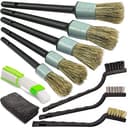
The all-sizes kit
TAKAVU Car Detailing Brush Kit (10-Piece)
Ten boar's-hair brushes covering interior and exterior sizes, which is the honest way into this - the reason people press too hard is almost always that they are using a brush the wrong size for the recess. A big kit removes that excuse for the price of a single premium brush.
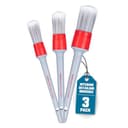
The soft interior trio
Chemical Guys All in the Details Detailing Brush Set (3-Piece)
Three sizes of soft-bristle brush aimed at interior and trim work specifically. If you want one set that lives in the car-care cupboard and never goes near a wheel, this is the shape of it - small enough to control around switches and vents.
$21.99View on AmazonPrice as of October 18, 2026. #ad How we’re funded
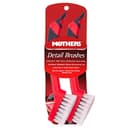
The pair for fabric and vinyl
Mothers Car Detailing Brush (2-Pack)
A cheap two-pack intended for upholstery and vinyl agitation, which is a genuinely different job from dusting a vent - here you want a firmer bristle to lift soil out of a weave before an extractor or a towel takes it away. Keep these separate from the soft interior set.
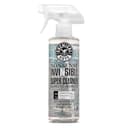
What goes on the brush
Chemical Guys Nonsense All-Purpose Cleaner
A colorless, odorless, dilutable concentrate, which is exactly what you want to mist onto bristles - no dye to transfer into a light headliner, no fragrance baked into a vent. Dilute it well below the strength you think you need and spot-test before committing to a panel.
$9.99View on AmazonPrice as of October 18, 2026. #ad How we’re funded
Where a brush is the wrong tool
Gloss black trim and screens. Piano black scratches if you look at it. Blow or lift the dust off, then wipe with a clean damp microfiber in straight lines. If you use a brush at all, use the softest one you own with no pressure.
Deeply soiled carpet. A brush agitates the surface of a carpet; it does not extract anything from the pile. That is a job for a cleaner with dwell time and then an extractor or a wet vac, which is covered in how to clean car carpet.
Bonded contamination on paint. Tar, sap and industrial fallout do not brush off. They dissolve off, and brushing at them puts marks in the clear coat. Our bug and tar remover roundup covers the chemistry route.
Afterwards: rinse before it dries
The thing that ends a detailing brush is cleaner drying in the ferrule, which stiffens the bristles permanently and makes a soft brush a scratching risk. Rinse under warm water as soon as you finish a section, work the suds out with your fingers, shake the water off and dry the brush bristles-down so water drains away from the collar rather than into it.
The deep-clean routine, including what to do with a brush that has already stiffened, is in how to clean detailing brushes.
Our call
Buy one multi-size kit rather than one expensive brush, keep three sets that never meet, and change the habit rather than the tool: dry first, mist the bristles, one direction, something underneath. That is the whole technique, and it is worth more than any individual brush on the shelf.
Frequently asked questions
How do you use a car detailing brush correctly?
Vacuum the area dry first, mist diluted cleaner onto the bristles rather than onto the surface, work in short strokes all in one direction, and hold a vacuum nozzle or folded towel just below the area so the soil you loosen has somewhere to go. Then wipe the area with a clean damp towel. The brush's job is agitation - breaking the bond between soil and surface - not removal. If you are pressing hard, either the cleaner is wrong, it has not dwelled long enough, or the brush is too stiff for the surface.
Should a detailing brush be wet or dry?
Damp, almost always. A dry brush on dry dust lifts some and drives the rest deeper into the texture, and on a dashboard it also generates static that makes dust cling. A dripping brush flows liquid into switch clusters, instrument binnacles and speaker grilles where you cannot get it back out. The target is bristles that feel damp when you squeeze them and leave no drip when you shake the brush. Mist the brush, not the panel.
What is the difference between boar's hair and synthetic detailing brushes?
Boar's hair bristles are fine, soft and slightly flagged at the tip, which makes them good at carrying liquid into a texture and gentle on painted and glossy surfaces. Synthetic bristles are more chemically resistant and hold their shape better in strong cleaners, which makes them the choice for wheels, engine bays and anything involving a degreaser. For interiors and exterior trim, boar's hair or a soft synthetic; for anything where you are using an aggressive chemical, synthetic. Never let a brush cross between the two jobs.
Can you use a detailing brush on a touchscreen or piano black trim?
Only a very soft one, dry or barely damp, and only to lift dust before you wipe. Gloss black plastic and touchscreens scratch extremely easily and show every mark, so the safe routine is to blow or lift the dust off first, then wipe with a clean, damp microfiber in straight lines. If you must use a brush on gloss black, it should be the softest one you own, used with no pressure at all, and never one that has previously been near a wheel or an engine bay.
Do you need different brushes for the interior and the wheels?
Yes, and this is not a precaution you can skip. A wheel brush accumulates iron particles and brake dust in its bristles; an engine brush picks up oily grit. Either of those then touching a dashboard, a door card or a painted surface is a grinding tool. Keep interior brushes, exterior trim brushes and wheel brushes as three separate, visibly distinct sets, store them apart, and never rotate one into a cleaner job after a dirty one.
How do you stop a detailing brush from scratching?
Three things. Check the ferrule - the metal or plastic collar holding the bristles - and make sure it cannot contact the surface when the bristles compress; that is the part that leaves arc-shaped marks. Keep the brush clean, because trapped grit turns soft bristles into an abrasive. And let the chemical do the work: brushing hard on a surface that has not had dwell time is the main reason people apply enough pressure to mark something. If a brush ever gets dropped on the floor, rinse it thoroughly before it touches the car again.
Sources
- Chemical Guys — How To Clean Your Engine Bay Without Causing Damage — Manufacturer procedure: let the engine cool completely before applying product; cover the alternator, intake, fuse box and battery terminals; keep water pressure low and away from electrical components; roughly 6:1 degreaser dilution for heavy oil and 10:1 to 15:1 for medium grime; finish with a water-based dressing on hoses and plastic covers (accessed September 18, 2026)
- Chemical Guys — How To Wash Microfiber Towels: Keep Them Soft And Scratch-Free — Manufacturer laundering guidance: “Use warm water, not hot, to help break down waxes and polish residues without damaging fibers”; “Choose a microfiber-safe detergent without fabric softeners, fragrances, or additives”; “Never use fabric softener or dryer sheets. These coat the microfiber strands, reducing their ability to trap dirt and absorb water”; “Dry towels on low heat or air dry them completely. High heat can melt or harden synthetic fibers”; separate paint-safe towels from wheel, engine or heavily soiled towels before washing (accessed October 5, 2026)
- International Detailing Association — Detailing Resources — IDA's public detailing resource library (accessed July 19, 2026)
Keep reading
Best Detailing Brushes
The sets compared on bristle type, sizes in the box and where each one belongs - interior, trim, wheels or engine bay.
See the picksHow to Clean Detailing Brushes
The other half of owning them - rinsing, deep cleaning and drying so the bristles do not stiffen or shed.
Read the guideHow to Clean a Car Interior
The full interior routine in order, with the brush step placed where it belongs in the sequence.
Read the routineBest All-Purpose Cleaners
What goes on the brush - dilutable concentrates and the ratios that make them safe on interior plastics.
See the cleaners