Can You Use Dish Soap on a Car?
Short answer: it will not ruin your paint, and it will remove every bit of wax, sealant or coating on top of it. Here is what dish soap really does, the one time it is the right tool, and the cheap fix.
How this is funded:we earn a commission if you buy through our links, at no extra cost to you. It never changes which product we recommend, and we’ll tell you plainly when we’d skip one. Full disclosure.
The short answer
You can wash a car with dish soap. It will get the car clean, it will not melt your paint, and the internet’s more dramatic warnings are overstated. What it will do — reliably, in a single wash — is remove the wax, sealant or spray coating sitting on top of your clear coat.
That is not a side effect. It is the product working exactly as designed. Dishwashing detergent exists to break down and lift baked-on grease and oil from a plate, and it does not have a way of knowing that the thin oily-polymer film on your hood is one you paid for. Chemical Guys’ own guidance on the question is blunt about it: dish soap can remove wax and sealant layers, can deteriorate paint protection film, and can shorten the life of a ceramic coating or polish.
What dish soap actually removes, in order
It helps to picture the surface as a stack. At the bottom is the paint itself, then the factory clear coat over it, and on top of that whatever protection you applied last. Dish soap works on the top of that stack and stops there.
- Carnauba wax: gone in one wash, essentially completely. Carnauba is an oil-and-wax film and a degreaser removes oil-and-wax films. This is the fastest, most visible loss — the beading disappears the same afternoon.
- Synthetic sealant: substantially reduced in one wash, gone within two or three. Polymers hold on better than natural wax, but not much better against sustained alkaline surfactant.
- Spray coating or SiO2 topper: mostly stripped. These are thin by nature, which is the trade you made for them being easy to apply.
- A real ceramic coating: survives, at a cost. A cured coating is chemically bonded and will not wash away, but repeated degreasing dulls the water behavior and shortens its useful life.
- Clear coat: unaffected. This is the part people get wrong. Hand dishwashing detergent does not etch a cured automotive finish.
So why does everyone say it ruins paint?
Because over a long enough period, it does — just not the way the warning implies. A car washed weekly with dish soap is a car that is permanently unprotected. Every bird dropping sits directly on clear coat instead of on a sacrificial layer. Every bit of iron fallout embeds a little more readily. UV hits bare clear coat year-round, and the surface oxidizes, hazes and eventually needs compounding to bring back.
That is a real cost, and it arrives three years later rather than on wash day, which is exactly why the habit is easy to keep. The second cost is quieter: dish soap is not pH-balanced for automotive surfaces, and repeated use dries out rubber seals and unprotected plastic trim. The chalky gray trim on an older car is not always age — sometimes it is a decade of kitchen detergent.
There is also a technique problem hiding underneath the chemistry one. Dish soap is a poor lubricant compared with a car shampoo, and lubrication is what lets a mitt carry grit away from the paint instead of dragging it across. Washing with a low-lubricity soap makes fine scratching more likely, which matters far more than the soap itself. If you take one thing from this page, make it the two-bucket method rather than the brand of soap.
The one time dish soap is the right tool
There is a genuine use case, and it is the mirror image of the problem: when you want everything off the paint. Before applying a sealant or a ceramic coating, the surface needs to be chemically bare so the new product can bond to clear coat rather than to the remains of the old one. Detailers use a dedicated stripping wash for this. If you do not own one, a dish soap wash is a crude but effective substitute.
Two rules if you do it. First, follow it with proper decontamination — an iron remover and a clay bar, because stripping wax reveals contamination rather than removing it. Second, protect the paint the same day. Bare clear coat is the one state you never want a car to sit in.
What to look for in a replacement
The bar is low and the cost is lower. A proper car shampoo needs three things, and every product below has all of them:
- pH-neutral chemistry, so it lifts dirt without attacking the protection underneath it. This is the whole ballgame, and it is covered properly in our pH explainer.
- Real lubrication, so the mitt glides and grit gets carried off the panel rather than ground into it.
- A clean rinse, with no residue film left to dry into spots.
Cost is the objection people expect, and it does not survive contact with the numbers. Car shampoos are concentrates: the first pick below dilutes at roughly an ounce per bucket, so a small bottle covers a long run of washes. Per wash, it is cheaper than the dish soap it replaces.
What to use instead
The default replacement
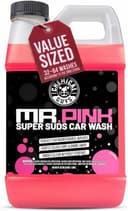
Chemical Guys Mr. Pink Super Suds Car Wash Soap
pH-neutral, wax-safe and heavily concentrated at roughly an ounce per five-gallon bucket, so the small bottle is misleading — the cost per wash is lower than dish soap. It works in a bucket or a foam cannon, which covers both routines.
$27.99View on AmazonPrice as of September 17, 2026. #ad How we’re funded
If you need it today
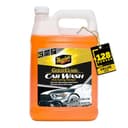
Meguiar's Gold Class Car Wash Shampoo & Conditioner
On the shelf in nearly every auto parts store and big-box retailer, so there is no waiting. It is a conditioning shampoo, which means extra slickness for the mitt — a genuine safe-wash benefit rather than a marketing line.
$19.93View on AmazonPrice as of September 17, 2026. #ad How we’re funded
Cheapest way to stop
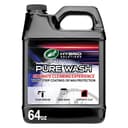
Turtle Wax Pure Wash Foaming pH-Neutral Car Soap
64 oz of pH-neutral foaming soap at the lowest price per ounce here. If the reason you reached for dish soap was cost, this removes the argument entirely and is safe over wax and coatings.
If you have already been doing it
Nothing is ruined. The fix is one afternoon: wash the car normally, decontaminate it with an iron remover and clay to pull out what has bonded while the paint was bare, and then protect it. A synthetic sealant or an easy spray coating is the least effort for the most benefit — the sealant roundup and the spray coating roundup both cover options that take under an hour.
If the paint already looks dull or feels rough rather than just unprotected, read how to decontaminate car paint first. Sealing over embedded contamination locks it in, which is the one way to make this situation genuinely worse rather than better.
Frequently asked questions
Can you use Dawn dish soap to wash a car?
You can, and it will clean the car. What it will also do is remove any wax, sealant or coating on the paint, because dish soap is designed to break down and lift oils and films. One wash will not damage clear coat. Doing it every week leaves paint permanently unprotected, which is where the real damage comes from over years.
Does dish soap damage car paint?
Not directly, and not in one wash. Modern clear coat is a cured automotive finish and a hand dishwashing detergent does not attack it. The damage is indirect: with the wax or sealant gone, UV, acid rain, bird droppings and iron fallout reach the clear coat unopposed, and the paint oxidizes faster than it otherwise would.
Is dish soap bad for rubber and trim?
It is not kind to it. Chemical Guys' guidance notes that dish soap is not pH-balanced for automotive surfaces and can dry out rubber seals and trim over repeated use. Unprotected black plastic trim is the first thing to look chalky on a car that gets washed with dish soap regularly.
When should you use dish soap on a car?
Essentially one situation: when you deliberately want everything off the paint before applying a sealant or ceramic coating, and you do not own a dedicated stripping wash. It is a crude substitute, but stripping is the job it is genuinely good at. Follow it immediately with decontamination and then protection — never leave paint bare.
Will dish soap remove a ceramic coating?
It will not dissolve a properly bonded ceramic coating in a single wash the way it strips a carnauba wax, but repeated washing with a strong degreaser shortens a coating's useful life and dulls its water behavior. Coatings are the most expensive protection to replace, so this is the worst case to use dish soap on.
What can I use instead of car wash soap in an emergency?
Plain water and a clean microfiber mitt, honestly. Water plus lubrication removes most light dust safely, and it will not strip anything. If the car is genuinely dirty and you have no car shampoo, a heavily diluted dish soap wash followed by re-waxing is a reasonable one-off — just plan on re-protecting the paint the same weekend.
Sources
- Chemical Guys — Can You Use Dish Soap To Wash Your Car? What You Need To Know — Manufacturer guidance that dish soap removes wax and sealant layers, can deteriorate paint protection film and shorten a ceramic coating's life, and — not being pH-balanced for automotive surfaces — may dry out rubber seals and trim (accessed September 18, 2026)
- Chemical Guys — Two Bucket Method Car Wash Guide — Manufacturer how-to on the two-bucket wash and grit guards (accessed July 19, 2026)
- International Detailing Association — Detailing Resources — IDA's public detailing resource library (accessed July 19, 2026)
Keep reading
Best Car Wash Soap
The pH-neutral shampoos that clean as well as dish soap without taking your protection with them.
See the soap rounduppH-Neutral Car Soap, Explained
What the pH number on a bottle means, and why it is the only spec that really matters.
Read the explainerThe Two-Bucket Method
Soap choice matters less than wash technique. This is the technique.
Learn the methodBest Soap for Ceramic-Coated Cars
If the car is coated, the soap rules tighten. Here is what is safe and what quietly undoes the coating.
See the coated-car picks