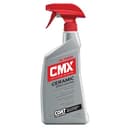
How to choose a ceramic spray
The sprays are more alike than the marketing suggests, but a few real differences decide which one fits how you work. Judge them on these.
1. Application method: wet or dry
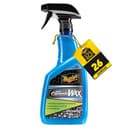
This is the biggest practical difference. Most sprays are wipe-on, wipe-offon clean, dry, cool paint — you mist a panel, spread it with one towel, and buff with a second. A few, like Meguiar’s Hybrid Ceramic Wax, are designed to be sprayed onto a wet car right after washing and rinsed off, which is about as foolproof as protection gets: no panels to chase, no high spots to fix. If you are nervous about streaks or just want the fastest possible routine, a wet-application spray is the one to start with.
2. Durability vs ease
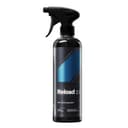
There is a rough trade-off between how long a spray lasts and how easy it is. The tougher, longer-lived sprays generally want a genuinely clean surface and a careful wipe-down; the easiest ones are also the shortest-lived. Be realistic about which you actually want. If you enjoy a quick wash-day ritual and do not mind topping up often, the easy sprays are perfect. If you want the most months per application and will prep properly, reach for an enthusiast-grade formula like CarPro Reload — which is also the one to use as a booster over an existing ceramic coating to refresh its beading.
3. Prep decides the result
SiO2 bonds to whatever is on the paint when you apply it. On a clean, decontaminated surface it grips and lasts; over a layer of old wax, road film, or bonded fallout it sits loose and sheds fast. So the honest prerequisite for any of these is a proper wash and, ideally, a clay decontaminationfirst. You do not need to correct the paint the way you would before a full coating — a spray is forgiving and does not lock flaws in the way a permanent coating does — but starting on clean paint is the difference between a spray that lasts a few months and one that is gone in a couple of washes.
4. Don’t apply in the sun
Every spray here hates heat and direct sunlight. On a hot panel the product flashes off before you can spread and buff it, leaving streaks and high spots. Work in the shade, on cool paint, a small section at a time, and buff each section before it hazes. This one habit prevents almost every “my ceramic spray streaked” complaint.
Ceramic spray vs wax vs a full coating
Where does a spray actually sit? Above wax and below a coating, on every axis that matters. It lasts longer and beads harder than a traditional carnauba or synthetic wax, and it is far slicker, so the car stays cleaner. It does not come close to a full ceramic coatingon durability, and it asks for none of the coating’s demanding prep and precision. The neat thing is that these are not mutually exclusive: a lot of people run a full coating for the multi-year base layer and use a ceramic spray every few months as the maintenance topper that keeps it beading like new. Our ceramic coating vs wax guide walks through the whole decision if you are choosing your first layer.
The bottom line: a ceramic spray is the highest-reward, lowest-effort protection most people are not yet using. It will not replace a coating, and it should not pretend to — but as an easy, frequent, genuinely effective layer, or as the thing that keeps a coating fresh, it is hard to beat for the money.