What each brand is actually good at
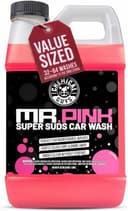
Chemical Guys — breadth, and a beginner-friendly system
The widest catalog in consumer detailing and the easiest to buy into as a beginner, because there is a product for every job and the kits genuinely bundle things that go together. The soaps, foam cannon, brushes and interior products all hold up well in their categories. The trade-off is a catalog so large it contains near-duplicates, and marketing that leans hard on scent and color. Buy the specific product, not the range.
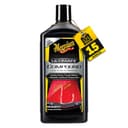
Meguiar’s — availability and consistency
The brand you can buy at any parts store at nine on a Sunday, with a professional line sitting behind the consumer shelf. Their compounds and polishes are genuinely strong — the compound that anchors our correction roundup is theirs — and their consumer products are reliably competent rather than exciting. If you want one brand you can always replace locally, this is it. For the matchup people actually ask about, we go category by category in Chemical Guys vs Meguiar’s.
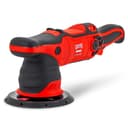
Griot’s Garage — tools first
Where Griot’s stands out is hardware. Their polishers are the ones we recommend to beginners, and the tool range generally feels built rather than assembled. Their liquids are good and priced accordingly, but the reason to know the brand is the machines — and the fact that they publish clear compatibility information for their own systems. The head-to-head people actually search for is Chemical Guys vs Griot’s Garage, and it splits exactly along that line: Griot’s takes the hardware, Chemical Guys takes the chemistry and the shelf.
If the machines are the reason you are here, two pages go further than this one can. Best car detailing tools ranks the durable goods across every brand, one per job, and best car polisher for beginners lists the five other things you need in the cart alongside a first machine.
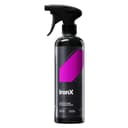
CarPro — specialist chemistry
A smaller, enthusiast-facing brand whose strength is the technical products: iron removers, coatings, panel preps, waterless concentrates. These are not supermarket products and they are not priced like them. If you are decontaminating properly or applying a coating, CarPro is on the shortlist; for a bottle of soap it is not the obvious choice.
Adam’s Polishes — the enthusiast ecosystem
Aimed squarely at people who enjoy detailing as a hobby: color-coded systems, heavy presence in the coating and graphene categories, and a lot of products designed to be bought together. The catalog is deep and the quality is real. The caution is that the ecosystem pulls you toward buying complete systems where a single product would have done. If you are choosing between it and the obvious rival, we settle that one category by category in Chemical Guys vs Adam’s Polishes.
Turtle Wax — value, and better than its reputation
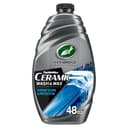
Long dismissed as the cheap option, and the Hybrid Solutions line has changed that — ceramic and graphene products at a fraction of the boutique price, sold in every parts store. It is not the highest-performing chemistry in any category on this site, but it is frequently the best value, and a budget setup built on it will outperform an expensive setup that never gets used.
How to actually choose
Three rules cover most of it:
- Buy by category, not by brand. The best wheel cleaner and the best wax rarely come from the same company. Our master roundup is organized exactly this way for that reason.
- Stay within a brand where compatibility is real.Pad-and-compound color systems, foam cannon and soap pairings, and coating-plus-topper combinations are cases where one brand’s ecosystem genuinely saves you guesswork.
- Weight availability more than you think. Running out of soap mid-wash and being able to walk to a store for it has real value. That is a point in favor of the mass-market brands and against the boutique ones for consumables.
What about house brands and unbranded products?
Store-brand and unbranded products are fine in the categories where chemistry is commodity and results are hard to get wrong — microfiber towels, applicator pads, brushes, buckets. They are a worse bet where formulation matters and a bad product can damage something: coatings, iron removers, wheel cleaners on delicate finishes, anything acidic.
The pattern to remember is that price tracks marketing at least as closely as it tracks performance. A well-known name on a bottle of soap does not make the soap better; it makes it easier to find. Which is why every pick on this site is chosen per category on published specs and buyer fit — and why how we pick says plainly that we do not lab-test anything.
For the two brands every parts store stocks, we have run the same category-by-category comparison in Meguiar’s vs Turtle Wax — six two-way calls, with a named winner in each.