How to Remove Water Spots From Car Glass
A water spot is the mineral left behind when hard water evaporates. Sitting on the surface it wipes off with the right chemistry; etched into it, it needs abrasion. Here is how to tell which you have, and why glass is the easy case.
How this is funded:we earn a commission if you buy through our links, at no extra cost to you. It never changes which product we recommend, and we’ll tell you plainly when we’d skip one. Full disclosure.
What a water spot actually is
Water is not pure. The US Geological Survey describes hardness as being caused by compounds of calcium and magnesium, along with a variety of other metals, and grades it in milligrams per liter as calcium carbonate: 0–60 soft, 61–120 moderately hard, 121–180 hard, and over 180 very hard.
When a droplet sits on your windshield and evaporates, the water leaves and the minerals do not. What you are looking at is the outline of where that droplet was, drawn in calcium and magnesium. On very hard water you are simply getting more mineral per drop, which is why the same car looks fine in one town and spotted in another.
That also explains the two worst offenders. Sprinklers hit the same panel with the same untreated water day after day, building deposit on deposit. And washing in the sun lets water evaporate off the glass before you get to it with a towel, which is self-inflicted spotting — covered properly in drying without water spots.
Deposit or etch? Find out before you buy anything
This is the diagnostic that decides everything else, and it takes ten seconds.
- Wet the glass. If the spots vanish while wet and reappear as it dries, they are sitting on the surface. This is a deposit, and chemistry will remove it.
- Run a fingernail across one. If you feel nothing, it is a deposit. If you can feel a faint edge, or the spot stays visible when the glass is wet, the mineral has bonded and begun to etch into the glass surface. That is an etch, and it needs mechanical help.
Nearly all fresh spotting is a deposit. What turns a deposit into an etch is time, heat and repetition — which is why the sprinkler that has been running all summer is the hard case and last night’s rain is not.
Why glass is the easy version of this problem
Automotive glass is dramatically harder than automotive clear coat. That single fact is why this guide exists separately from the paint version of the job: on glass you can use a mild abrasive, work it with meaningful pressure, and expect to remove the etch without leaving marring behind. Do the same thing on a painted panel and you will trade a water spot for a haze of fine scratches.
So the rules are simple and worth being strict about. Glass products stay on glass. Abrasive pastes stay on glass. If a panel next to the window is also spotted, stop and treat it with the gentler paint-safe products in the water spot remover roundup instead.
Two glass caveats that do matter: keep abrasives off aftermarket tint, which is a film on the inside surface and will scratch, and keep them off any coated or hydrophobic-treated glass, which you will strip. Work on the outside, and test in a lower corner first.
What to look for in a product
Three things, in the order you will need them:
- Chemistry aimed at mineral deposits, not a general cleaner. A glass cleaner removes films and fingerprints; it will not touch calcium.
- A mild abrasive for etching, once chemistry has been tried and failed. Mild is the operative word — you are leveling a microscopic amount of surface, not sanding.
- An ammonia-free finishing cleaner, because ammonia is the ingredient that hazes tint and dries out rubber seals, and because residue left behind is what causes the streaks people then blame on the towel.
Work out of direct sun and on cool glass for all three. A hot windshield flashes off product before it can dwell, which is the same failure mode as waxing in the sun.
What to reach for, in order
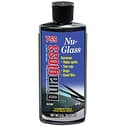
Start here
Duragloss 755 Automotive Glass Water Spot Remover
Formulated specifically for automotive glass rather than for everything, which is what you want on the hardest and least delicate surface on the car. An 8 oz bottle is plenty because glass needs very little product per pass.
$13.95View on AmazonPrice as of September 17, 2026. #ad How we’re funded
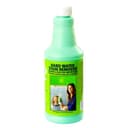
For etched sprinkler spots
Bio Clean Hard Water Stain Remover
A mild-abrasive paste for the deposits chemistry alone leaves behind — the season-long sprinkler stain is exactly its job. Test somewhere invisible first, keep it strictly off paint and coated glass, and let the abrasive do the work rather than pressure.
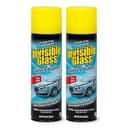
Finish and check your work
Invisible Glass Premium Glass Cleaner
Ammonia-free, so it is safe on window tint and rubber seals, and it wipes down to genuinely clear glass. Use it last to strip every trace of remover residue — leftover product is the usual cause of streaks after a spot-removal job.
$10.36View on AmazonPrice as of September 17, 2026. #ad How we’re funded
The method, step by step
- Wash and dry the glass first. You want to be working on mineral, not dragging road grit across the window.
- Get it cool and out of the sun. Product that flashes off cannot dwell, and dwell is how chemical removers work.
- Chemistry first, one window at a time. Apply the dedicated glass remover with a microfiber applicator, work a small area, and rinse or wipe thoroughly before it dries.
- Reassess. Wet the glass. Whatever is still visible is etched.
- Abrasive only where needed. Paste on a damp applicator, light pressure, small sections, and keep checking. Stop as soon as the spot goes.
- Clean everything off. Ammonia-free glass cleaner, two towels — one to clean, one to buff dry — as covered in cleaning glass without streaks.
- Check the wipers. Blades that have been dragging across mineral deposits are often the reason spotting looks worse on the driver’s side. Clean them, and replace them if the rubber edge is ragged.
Keeping them off
Prevention is far easier than removal, and it is almost entirely about not letting water evaporate on the car. Dry the glass rather than letting it air-dry, wash in shade or in the evening, and move the car out of sprinkler range — a single relocated parking spot solves more water-spot problems than any product on this page.
If your water is genuinely hard, the same USGS bands explain why you are fighting this more than a friend two states away. Drying promptly matters more for you, not less. And once the glass is clear, a clean, protected surface sheds water faster, which means fewer droplets left sitting to evaporate in the first place.
Work safely. Detailing chemicals and machine polishers can damage paint, trim or your own skin if misused. Always follow the manufacturer’s instructions, test in an inconspicuous spot first, work out of direct sun, and wear eye protection and gloves where the label calls for them. Two Bucket Club is general guidance from an enthusiast, not a substitute for a product’s own directions.
Frequently asked questions
How do you remove water spots from car windows?
Start with the mildest thing that works. Wash and dry the glass, then use a dedicated automotive glass water spot remover on a cool surface out of the sun. If the spot survives that, it has etched into the glass and needs a mild-abrasive hard-water paste. Finish with an ammonia-free glass cleaner to remove residue.
What causes water spots on car glass?
Dissolved minerals. The USGS describes water hardness as being caused by compounds of calcium and magnesium; when a droplet evaporates, those minerals stay behind as a visible ring. The harder your water, the more is left per drop — USGS classes anything over 180 mg/L as calcium carbonate as very hard.
Will vinegar remove water spots from a windshield?
Diluted vinegar can soften light, fresh deposits, which is why the tip circulates. It is weak compared with a purpose-made remover, it does nothing for etched spots, and it is acidic enough that you do not want it running onto paint, trim or bare metal. Use a dedicated product and keep it on the glass.
Can water spots permanently damage glass?
They can etch it, which is permanent in the sense that the glass surface has been altered and only abrasion restores it. Sprinkler spots that have sat through a summer are the classic case. Caught early, almost all water spotting is a surface deposit that comes off easily — time is the variable that makes it hard.
Is removing water spots from glass the same as from paint?
No, and this is the important difference. Glass is far harder than clear coat, so it tolerates a mild abrasive that would leave marring on paint. Never move a glass product or an abrasive pad onto a painted panel — paint spotting is a separate job with gentler products.
How do I stop water spots coming back?
Dry the car rather than letting it air-dry, keep it out of sprinkler range, and avoid washing in direct sun where water evaporates before you reach it. On the glass itself, a clean, protected surface sheds water faster so there is less left to evaporate in place.
Sources
- US Geological Survey — Hardness of Water — USGS hardness bands measured as calcium carbonate: 0–60 mg/L soft, 61–120 moderately hard, 121–180 hard, more than 180 very hard; hardness is caused by calcium and magnesium compounds, which is what dries onto glass as a deposit (accessed September 18, 2026)
- International Detailing Association — Detailing Resources — IDA's public detailing resource library (accessed July 19, 2026)
- US EPA — Safer Choice — EPA program certifying safer cleaning-product chemistry (accessed July 19, 2026)
Keep reading
Best Water Spot Removers
The full comparison, including the products meant for paint rather than glass.
Compare the removersHow to Clean Car Glass Without Streaks
Once the spots are gone, this is the routine that keeps the glass genuinely clear.
Read the guideHow to Dry a Car Without Water Spots
The prevention half — spots form while you are still drying, not after.
Read the guideBest Glass Cleaners for Cars
The ammonia-free cleaners that finish the job without hazing tint or drying out seals.
Compare glass cleaners