How to Clean an Engine Bay
The job is less risky than its reputation, provided you do three things: let the engine go completely cold, cover what does not like water, and keep the pressure low. Here is the full sequence, with the dilutions.
How this is funded:we earn a commission if you buy through our links, at no extra cost to you. It never changes which product we recommend, and we’ll tell you plainly when we’d skip one. Full disclosure.
The three rules that make this safe
Cleaning an engine bay has a worse reputation than it deserves. Modern bays use sealed connectors and are built to survive rain, road spray and deep puddles. What they are not built to survive is a narrow jet of high-pressure water aimed directly into a connector, or a degreaser left to bake onto hot aluminium.
Chemical Guys’ published procedure comes down to three instructions, and they are the three that matter:
- “Always let the engine cool completely before applying any product; heat can cause degreasers to flash-dry on surfaces.”
- “Cover the alternator, intake, fuse box, and battery terminals with plastic bags or dry microfiber towels.”
- “Keep pressure low and avoid directing water at covered electrical components or open sensors.”
Follow those and the rest of this is just cleaning. Ignore any one of them and you have introduced the only real risks in the job.
Why a cool engine matters more than you think
There are two separate reasons, and only one is about safety. The safety one is obvious: hot exhaust manifolds, turbo housings and headers do not want cold water on them, and you do not want your forearm near them either.
The practical one is that degreaser only works if it dwells. Spray an all-purpose cleaner onto a warm valve cover and the water carrier evaporates in seconds, leaving concentrated cleaner sitting dry on the surface. It stops cleaning at that point, and dried alkaline residue is what streaks plastic white and stains bare aluminium. Give the car at least half an hour after driving, and longer on a hot day.
What to cover, and why
You are not waterproofing the car. You are protecting the handful of components where standing water causes a real problem:
- The alternator. It is open by design, for cooling. Water inside it can corrode the windings and slip rings.
- The air intake. Anything drawn past the filter goes into the engine. Cover the opening, and do not aim water at an exposed cone filter at all.
- The fuse box. Usually sealed, sometimes not. Not worth the gamble.
- Battery terminals. Water plus dissimilar metals equals corrosion, and terminal corrosion causes intermittent faults that are miserable to diagnose.
Plastic bags and elastic bands, or dry microfiber towels laid over the top. Disconnect the battery if you will be working close to the alternator or fuse box — just be aware it usually clears radio presets and adaptive transmission learning on modern cars.
What to look for in the chemistry
Engine bays are the one exterior job where a strong alkaline cleaner is genuinely the right tool, because you are removing oil film rather than protecting a finish. There is no wax here to strip. What you want is:
- A dilutable concentrate, so one product covers the weak dilution for plastic covers and the strong one for a greasy firewall. Chemical Guys publishes roughly 6:1 water to degreaser for heavy oil and grease and 10:1 to 15:1 for medium grime, which is a good working guide for any APC.
- Brushes in more than one stiffness, because agitation removes baked film and chemistry alone does not.
- A water-based dressing to finish. Degreasing leaves plastics and hoses looking dull and dry; a dressing restores an even tone and gives some UV protection. Water-based rather than solvent-based, and keep it off belts and pulleys.
What the job actually needs
The cleaner, diluted to task
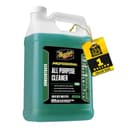
Meguiar's Professional D101 All Purpose Cleaner
A gallon of professional-line APC concentrate, which is the whole argument for an APC — dilute it weak for plastic covers and strong for a greasy firewall instead of buying two products. Handles door shuts and wheel wells with the same bottle.
For a genuinely oily bay
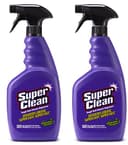
SuperClean Tough Task Cleaner Degreaser
The industrial option, and the one to reach for when a detailing-brand cleaner is not cutting an old oil film. It needs respect: dilute it properly, keep it off bare aluminium, and do not let it dwell to dryness on any surface.
$25.45View on AmazonPrice as of September 17, 2026. #ad How we’re funded
The agitation
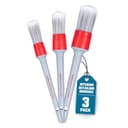
Chemical Guys All in the Details Detailing Brush Set (3-Piece)
Three sizes with soft bristles, which is what you want around wiring looms, connector housings and plastic covers. Agitation is what lifts baked-on film — chemistry alone rarely finishes the job on its own.
$21.99View on AmazonPrice as of September 17, 2026. #ad How we’re funded
The finishing dressing
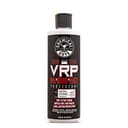
Chemical Guys VRP Vinyl, Rubber & Plastic Dressing
A dilutable water-based dressing that restores an even tone to hoses and plastic covers after degreasing, with the finish adjustable from satin to glossy by how far you dilute it. Dilute it down for an engine bay — a wet-look shine under the hood reads as sprayed-on.
$11.97View on AmazonPrice as of September 17, 2026. #ad How we’re funded
Working through the bay
Section by section, not all at once. Soaking the whole bay means the first area you sprayed is drying while you are still spraying the last. Do the firewall, then one side, then the other, then the underside of the hood if it needs it — rinsing each before it dries.
Match brush stiffness to surface. Soft brushes on plastic covers, wiring looms, painted surfaces and anything with a printed label. Stiffer bristles only on bare metal, the firewall and the inner fender liners. The underside of the hood is usually painted and often has an insulation pad — treat it as paint, and keep water out of the pad entirely because it holds moisture for days.
Drying is the step that decides whether this went well
Everything up to here is reversible. Water left sitting in spark plug wells, connector housings, or along the top of the block is what turns a clean engine bay into a rough-running one next week, and into corrosion next year.
Towel what you can reach, then blow out what you cannot. A car dryer or blower is genuinely the right tool — this is one of the jobs that justifies owning one. Then remove the covers, reconnect the battery if you disconnected it, start the engine and let it idle for a few minutes. The residual heat drives off what is left, and if something is going to misbehave you want to find out in your driveway.
When not to do this
Skip it, or take it to someone insured, if the bay has an exposed cone air filter close to where you would be rinsing, if there is visible damaged or repaired wiring, if the car is old enough to have an exposed distributor cap, or if there is an active oil or coolant leak — fix the leak first, or you are just cleaning it again in a fortnight.
And set expectations on the result. A twenty-year-old bay will come out clean, not new. Faded plastic comes back partway with a dressing, oxidized aluminium does not come back at all without polishing, and neither is a failure of the wash. If you want an honest sense of what the professional version of this costs, our detailing cost guide covers where engine bay cleaning sits as an add-on service.
Work safely. Detailing chemicals and machine polishers can damage paint, trim or your own skin if misused. Always follow the manufacturer’s instructions, test in an inconspicuous spot first, work out of direct sun, and wear eye protection and gloves where the label calls for them. Two Bucket Club is general guidance from an enthusiast, not a substitute for a product’s own directions.
Frequently asked questions
Is it safe to clean your own engine bay?
Yes, with three non-negotiables: a completely cool engine, the alternator, intake, fuse box and battery terminals covered, and low water pressure kept away from electrical components. Modern engine bays have sealed connectors and are more water-tolerant than their reputation suggests — the risk comes from high pressure into a connector, not from water in general.
Can you pressure wash an engine bay?
You can use a pressure washer on its lowest setting and a wide fan pattern, but a garden hose is the safer default and does the job. What causes damage is a narrow, high-pressure jet forced into a connector, sensor or air intake — that is enough to push water past a seal, which is exactly what you are trying to avoid.
What should I use to clean an engine bay?
A diluted all-purpose cleaner. Chemical Guys' published guidance is roughly 6:1 water to degreaser for heavy oil and grease and 10:1 to 15:1 for medium grime. A gallon of APC concentrate is the cheapest route, and an industrial degreaser is worth having only if the bay is genuinely oily.
Should I disconnect the battery before cleaning an engine bay?
Chemical Guys recommends disconnecting it if you are working near the alternator or fuse box. It is cheap insurance either way. Be aware that on many modern cars disconnecting the battery clears radio presets and adaptive transmission settings, so expect a few minutes of relearning afterwards.
How do you dry an engine bay after washing it?
Towel what you can reach, then blow the rest out. Water sitting in spark plug wells, connector housings and along the top of the block is what causes misfires and corrosion later. A car dryer or compressed air is genuinely the right tool here. Then run the engine for a few minutes — the residual heat finishes the job.
How often should you clean an engine bay?
Once or twice a year is plenty for most cars, and mainly so that leaks stay visible. A clean bay makes a new oil or coolant seep obvious within days, which is a real maintenance benefit rather than a cosmetic one. Do it more often only if you are showing the car.
Sources
- Chemical Guys — How To Clean Your Engine Bay Without Causing Damage — Manufacturer procedure: let the engine cool completely before applying product; cover the alternator, intake, fuse box and battery terminals; keep water pressure low and away from electrical components; roughly 6:1 degreaser dilution for heavy oil and 10:1 to 15:1 for medium grime; finish with a water-based dressing on hoses and plastic covers (accessed September 18, 2026)
- International Detailing Association — Detailing Resources — IDA's public detailing resource library (accessed July 19, 2026)
- Chemical Guys — How Much Does a Car Detail Cost? — On professional detailing prices vs DIY (accessed July 19, 2026)
Keep reading
Best All-Purpose Cleaners
The dilutable concentrates behind this job — weak for interiors, strong for engine bays.
Compare the cleanersBest Detailing Brushes
Agitation does most of the work here. These are the brushes that fit around a loom without damaging it.
See the brushesBest Tire Shines & Dressings
Where the water-based dressings that finish an engine bay are compared properly.
Compare dressingsBest Car Dryers & Blowers
The right way to get water out of connectors and spark plug wells rather than hoping it evaporates.
Compare the blowers