Three jobs, three different answers
Job 1: tires
This is where VRP gets replaced most, and the reason is almost always durability. A thin all-surface dressing on a sidewall gets rained on, driven through puddles and heated by the road, and a week later the tire is grey again.
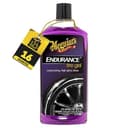
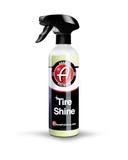
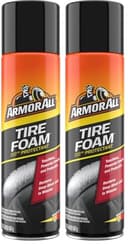
A dedicated tire gel is thicker, clings better and survives rain, which is why Meguiar’s Endurance Gel is our pick for this job. The trade is application: a gel wants an applicator pad, a careful hand and a few minutes to set, or it slings onto your paint on the first drive. If you want the convenience of a spray with better longevity than VRP, Adam’s Tire Shineis the middle ground. And if the real answer is “whatever is in the store now”, Armor All Tire Foam sprays on and self-levels for under ten dollars. See tire shine spray vs gel and how to apply tire shine without sling.
Job 2: exterior trim
Faded black plastic trim is a different problem from a grey tire, and a dressing is only a partial answer. Chemical Guys publishes the mechanism plainly: black trim is porous plastic or rubber that goes brittle and discolored under UV, road salt, heat and moisture as the oils leave the surface. It also publishes the uncomfortable durability reality — most trim restorers last anywhere from a few weeks to a couple of months, with reapplication every three to four weeks in sunny, arid regions — and states that restorers will not reverse cracking or pitting.
So if your trim is simply dull, any dressing here will darken it for a few weeks. If it is chalky and you want months rather than weeks, you want a dedicated trim restorer or a trim coating instead of a dressing — see best trim restorers. That is a genuinely different product class and the honest answer to a question VRP cannot fully solve.
Job 3: interior plastics
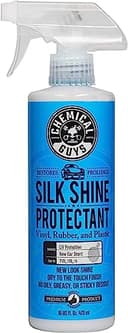
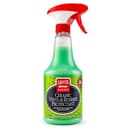
Here the usual complaint about VRP is finish rather than durability: people find it too shiny for a dashboard. The matte or satin end of the category is the fix. Griot’s Garage Ceramic Vinyl and Rubber Protectant is our pick for interior use, and Chemical Guys Silk Shine is the closest in-house swap if you want to stay with the brand but tone the gloss down. Our interior protectants roundup sorts that whole category by finish, and alternatives to 303 Aerospace Protectant covers the same decision from the other direction.
Who each pick is for
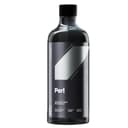
- CarPro PERL— for the person who wants VRP’s versatility without its compromises. A dilutable concentrate for plastic, rubber and leather: weak for interiors, strong for tires. Best cost per use on this page by a clear margin. It costs the most up front and it asks you to mix it, which is the entire trade.
- Meguiar’s Endurance Gel— for tires you want to stay black through rain. The thick-gel format is what buys the longevity, and it is the right answer if your complaint about VRP is that it washes off. Apply it with a pad rather than slopping it on, and let it set before you drive, or you will find it flicked up your rear quarter.
- Chemical Guys Silk Shine— for staying in the Chemical Guys line with a calmer finish. A satin dressing for vinyl, rubber and trim that gives dark plastics depth without the wet look. Not a tire-durability upgrade over VRP; it is a finish choice.
- Adam’s Tire Shine— for spray convenience with better staying power than an all-surface dressing. Quick to apply around a wheel, less fussy than a gel, and a sensible default if you dress tires at every wash rather than monthly.
- Griot’s Garage Ceramic Vinyl and Rubber Protectant— for interior plastics specifically. SiO2 chemistry in a 22 oz bottle aimed at a longer interval between applications. Griot’s publishes no durability figure we can hold them to, so judge it by when the panels start looking dusty again.
- Armor All Tire Foam— for when you want it today, from a shop down the road, for under ten dollars. Spray on, let it self-level, walk away. It is the shortest-lived option on this page and it will need redoing after rain, which for a lot of people is an acceptable deal at the price.
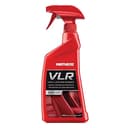
- Mothers VLR— our budget pick and the closest thing to a like-for-like swap. 24 oz for around eight dollars covering vinyl, finished leather and rubber, which is substantially more product per dollar than VRP. The listing describes a pH-balanced formula that cleans, conditions and protects in one step using neatsfoot oil and lanolin. It publishes no gloss level, so if VRP being too shiny is your complaint, buy a product whose finish is stated — satin or matte — rather than this one.
Where VRP is still the right answer
Two cases, and it would be dishonest to bury them.
If one bottle for everything is the actual requirement and you do not want to dilute anything, VRP does that at a lower price than PERL and with no mixing. That is a real convenience and it is why the product sells.
If you like the finish.VRP’s gloss level is the thing most people either love or want to leave, and taste is not a defect. If the look is right and you only wish it lasted longer on tires, the cheapest fix is not a new all-surface bottle at all — it is a dedicated tire gel for the tires and VRP for everything else.
Getting any dressing to last longer
Most “this dressing does not last” complaints are application problems, and they are free to fix.
- Clean the surface properly first.Old dressing, brake dust and road film are what the new coat bonds to, and they take it with them. Tires want a wheel cleaner or a diluted APC and a brush until the foam stops going brown — see best wheel cleaners and why are my tires turning brown.
- Let the surface dry. Dressing applied to a wet sidewall dilutes itself and streaks.
- Apply with a pad, not a trigger. Spraying a tire coats the wheel, the paint and the driveway as well. A foam applicator puts product only where you want it.
- Thin coats, and wipe the excess. Excess is what slings. A second thin coat after the first has set lasts longer than one thick one.
- Let it cure before driving. Ten or fifteen minutes is the difference between a clean rear quarter and a speckled one.
And set expectations from what makers actually publish rather than from the bottle art: a few weeks to a couple of months is the realistic window for a dressing, with reapplication every three to four weeks in strong sun. DetailingWiki is blunt about the limit too — rubber vulcanization cannot be reversed, and using a dressing will only hide it a bit. A dressing is maintenance, not repair.
Our call
Buy CarPro PERL if you want one bottle to do all three jobs properly and will dilute it. Best replacement overall and the best value per use.
Buy Meguiar’s Endurance Gel if tires are the whole reason you are here. It is the durability answer.
Buy Mothers VLR if the reason is price. Three times the bottle for less money.
Buy Silk Shine or the Griot’s ceramic protectant if the reason is finish on interior plastics rather than durability on tires.
And if your trim is chalky rather than dull,stop shopping for a dressing — a trim restorer is the product class you actually want.