Cordless or corded: the one decision that matters
Everything else about buying a car vacuum is a detail. This is the decision, and the right answer depends on where the car is parked, not on which machine is better.
Choose cordless if the car is not near an outlet
Street parking, an apartment lot, a shared driveway, a car at work. A good cordless handheld will do the whole interior of a normal car on one charge if you are efficient about it. What you give up is sustained suction (which tapers as the battery drops), capacity (a bin you will empty at least once), and any ability to pick up liquid.
Choose corded wet/dry if you have a garage or an outlet
A small shop vac is the better machine in almost every way that is not convenience: constant suction that does not fade, a tank measured in gallons rather than cups, a hose long enough to reach the far footwell from outside the car, and the ability to pull water back out after you have shampooed a seat. That last one is not a nice-to-have — it is the difference between a seat that dries overnight and one that stays damp for days. Our wet/dry vacs for car detailing page goes deeper, and corded vs cordless car vacuum works the trade-off through properly.
Or choose 12V if the answer is “neither”
A 12 V vacuum running off the car’s own socket needs no outlet and no charging. Suction is modest and the cord ties you to the car, but it lives in the boot permanently and gets used, which is worth more than a better vacuum in a cupboard.
What actually matters in a car, and what does not
Agitation matters more than raw suction.Car carpet is short, dense pile and the dirt in it is ground in by feet. Hair and grit have to be mechanically loosened before airflow can lift them — which in practice means brushing the carpet with a stiff detailing brush before you vacuum, because no handheld in this price band ships a powered brush head. That one habit does more than any suction upgrade. If you are fighting pet hair specifically, see best car vacuums for pet hair.
Reach matters more than power.The dirt in a car is under the seat rails, in the seat-back seams, down the side of the console and in the footwell corners. A crevice tool that is too short or too fat gets to none of it. A set of micro nozzles turns an average vacuum into a good detailing vacuum for ten dollars — see shop vac detailing setups.
Published airflow figures mostly do not help. Manufacturers publish different things in different units, and where a listing states no figure we print none rather than estimate one. Where a figure exists, treat it as a rough guide and weigh the brush head and the nozzles more heavily.
Who each pick is for
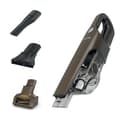
- Shark UltraCyclone Pet Pro+— for most people under this cap. Cordless, cyclonic, genuinely strong for a handheld, with an XL dust cup. The honest framing is the one we would give a friend: yes for maintenance, no for a full reset on a neglected car. Battery runtime is the limit, and it is a car-interior tool rather than a workshop vacuum.
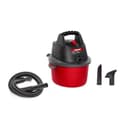
- CRAFTSMAN 2.5-Gallon Wet/Dry Shop Vac— for anyone with a garage, and our pick if cleaning is going to involve any liquid. Constant suction, a real tank, and it will pull water out of a shampooed seat, which no cordless handheld here can do. It needs an outlet and it is not something you carry one-handed around the cabin.
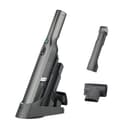
- Shark WANDVAC— for the person whose actual problem is that they never get round to it. Very light, lives on a charger, grab-and-go for the five-minute cleanup that stops a car getting bad. It does not have the suction or the dust-cup capacity of the UltraCyclone, so on a genuinely dirty car it will frustrate you.
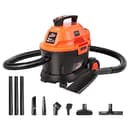
- Armor All 2.5-Gallon Utility Wet/Dry Vac— for the buyer who wants the detailing nozzles in the box rather than as a second purchase. It is a car-focused small wet/dry vac that usually ships with the crevice and brush tools you would otherwise buy separately, which makes it the one-box interior-cleaning answer. Same caveat as any corded vac — you need the outlet.
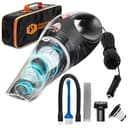
- ThisWorx Portable Car Vacuum— our budget pick, and the most used vacuum on this page in practice. It plugs into the 12 V socket, so it works on a street, at work, or on a road trip, and it lives in the boot. Modest suction and a small canister: this is for crumbs, dust and dog hair on a seat, not for a full detail.
What the $100 cap excludes
Two machines we rate sit just above the line, and both are worth knowing about because the gap is small.
- The RIDGID 4-gallon wet/dry vacis the better shop vac — more capacity, better hose, and it is the one we pick first on the main car vacuums roundup. If you have a garage and expect to use it for more than cars, the step up is justified.
- The DEWALT DCV581Hruns corded or on a 20 V battery, which solves the outlet problem without giving up wet pickup. It is the right answer if you already own DEWALT batteries, and poor value if you do not.
The accessory that changes the result most
Whatever you buy here, buy a crevice and micro-nozzle set with it. A ten-dollar set of narrow nozzles reaches seat seams, rail channels and console gaps that the supplied tools miss entirely, and it makes a sub-hundred-dollar vacuum behave like a detailing tool. It is the cheapest upgrade in this whole category and the one most often skipped.
Then work in the right order: dry debris out first, seats and carpet agitated with a brush, then vacuum, then any wet cleaning, then extract or blow dry. Vacuuming after you have shampooed is the common sequencing mistake and it leaves a damp car. Our how to clean car interior guide sets the full order out.
Our call
Buy the Shark UltraCyclone Pet Pro+ if you have no outlet near the car. It is the strongest cordless option here and the one with the biggest dust cup.
Buy the CRAFTSMANif you have a garage. More suction, more capacity and wet pickup for half the money — it is the better machine, it is just less convenient.
Buy the Armor All instead of the CRAFTSMAN if you would rather the detailing nozzles arrived in the box than as a second order.
Buy the ThisWorx if twenty dollars is the budget, or as a second vacuum that lives in the car permanently. It is the one that gets used.